EU Tightens Protection Rules for Ukrainian Men of Military Age Amid Kyiv's Mobilization Push
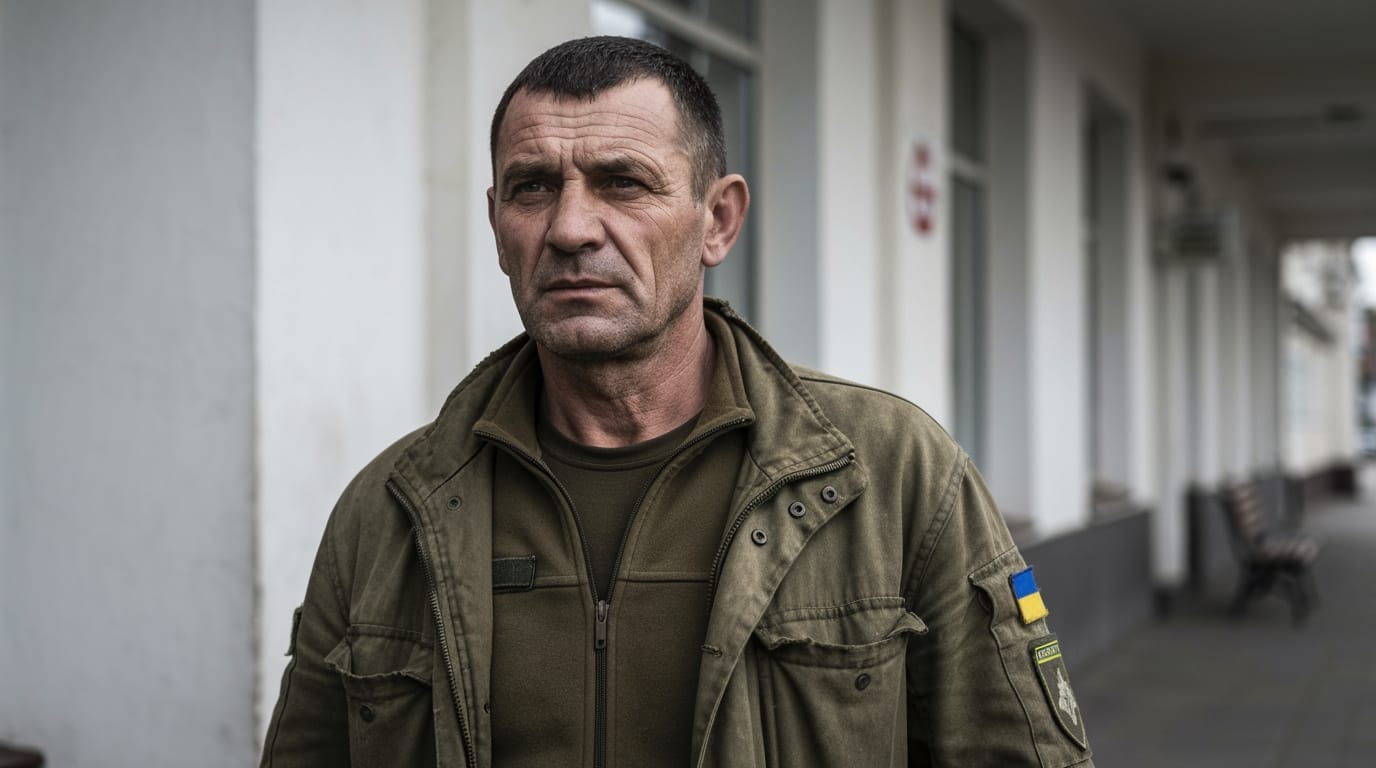
Brussels, Belgium – The European Union has moved to extend temporary protection for millions of Ukrainians displaced by the ongoing war, but with a significant modification: newly arriving Ukrainian men of military age will no longer automatically qualify for this status. The decision, largely influenced by Kyiv's urgent need to bolster its fighting forces, marks a critical juncture in the EU's response to the conflict and Ukraine's struggle for manpower.
The Temporary Protection Directive (TPD), activated shortly after Russia's full-scale invasion in February 2022, has provided swift sanctuary, residence permits, and access to employment, education, and social services for over 4.3 million Ukrainians across the bloc. While the directive itself will be prolonged until March 2028, the exclusion of newly arriving men, generally aged 23 to 60 and legally prohibited from leaving Ukraine due to military obligations, underscores the escalating pressures on both Ukraine and its European allies. This shift reflects a complex interplay of humanitarian concerns, national security imperatives, and evolving legal frameworks in a protracted conflict now entering its fifth year.
The EU's Evolving Stance on Temporary Protection
The European Commission officially proposed the extension of the Temporary Protection Directive until March 2028, ensuring continuity for the millions already benefiting from it. This extension was deemed crucial given that the existing directive was set to expire in March 2027. However, a key aspect of this updated proposal is the exclusion of newly arriving military-age men who are not permitted to leave Ukraine due to their national military service obligations. This means that while those Ukrainian men already holding temporary protection status in the EU will retain their protections, individuals entering the EU after the new rules take effect will face stricter eligibility criteria.
European Commissioner for Migration Magnus Brunner stated that this exclusion was implemented at Ukraine's direct request, aligning EU mechanisms with Ukraine's national legislation on military mobilization. The move is intended to support Kyiv's defense needs as it grapples with severe manpower shortages on the front lines. Adult men currently constitute a significant portion of Ukrainian beneficiaries in the EU, accounting for approximately 26.6% to 27% of the total 4.33 million individuals under temporary protection as of March 2026. The EU's decision is designed to create greater legal clarity and coherence, acknowledging Ukraine's urgent wartime requirements.
Ukraine's Mobilization Imperative
Ukraine's armed forces are facing a critical need for additional personnel as the war against Russia grinds on. The prolonged conflict has led to substantial casualties, and replenishing ranks has become a top national priority. In response, Kyiv has implemented a series of stringent mobilization measures. In April 2024, President Volodymyr Zelenskyy signed new conscription laws that lowered the mobilization age from 27 to 25 and introduced stricter regulations for military registration. All Ukrainian men aged 18 to 60 are now required to register with military authorities and carry their registration documents at all times.
Further complicating matters for Ukrainians abroad, the government has suspended consular services and the issuance of new passports for military-age men residing outside the country, aiming to compel them to return and fulfill their military duties. President Zelenskyy has repeatedly emphasized the importance of shared responsibility in defending the nation, urging those who left unlawfully to return. Estimates suggest that approximately 650,000 military-age Ukrainian men have departed for the EU since the full-scale invasion, with reports indicating up to 2 million men are wanted for draft evasion. Ukraine's urgent call for returnees reflects a desperate need for troop rotations and fresh personnel to maintain its defense capabilities.
Divergent Approaches Among EU Member States
While the recent EU proposal sets a bloc-wide standard for newly arriving men, individual member states have previously adopted, or are considering, their own measures to address the issue of Ukrainian men of military age within their borders. These varied responses highlight the complex balance between supporting Ukraine, adhering to humanitarian principles, and managing domestic pressures.
Poland, a key frontline state hosting over a million Ukrainian refugees, has been a vocal proponent of restricting temporary protection for military-age men. The Polish government has already begun denying automatic collective temporary protection to men of conscription age (18-60 years old), asserting that their return is in Ukraine's national interest for defense and future reconstruction. Polish officials view this stance as aligning with ethical principles and not violating humanitarian obligations, as it seeks to harmonize their status with other foreign nationals.
Lithuania has also expressed strong support for assisting Ukraine in repatriating military-age men. Lithuanian leaders, including President Gitanas Nausėda and Prime Minister Ingrida Šimonytė, have suggested exploring options such as limiting social benefits, work permits, or access to documents for those who have not fulfilled their mobilization obligations. With around 29,000 military-age Ukrainian men holding residence permits in Lithuania, the government is closely observing Poland's actions to determine potential pathways for its own policies.
Germany, hosting the largest number of Ukrainian refugees (1.27 million as of March 2026), has signaled its readiness to cooperate with Kyiv on facilitating the return of military-age men and tightening asylum conditions for them. German Chancellor Friedrich Merz previously urged President Zelenskyy to enforce stricter exit regulations, emphasizing the need for these men in Ukraine. However, Germany also maintains a cautious approach, aiming to balance humanitarian protection with Ukraine's wartime needs, acknowledging that "restrictions or excessive pressure would undermine the principle of refugee protection in a European democratic country." Public sentiment in Germany, according to some surveys, favors the return of military-age Ukrainian men.
Denmark has already moved ahead with similar national restrictions. The Danish government amended its special law for Ukrainians to ensure that men avoiding military service are not granted refugee status in the country. Denmark's Minister for Immigration and Integration Morten Bødskov stated that Danish residence rules are "not intended to be used to avoid mobilization."
Conversely, France reportedly emerged as the most outspoken opponent of efforts to narrow eligibility for temporary protection. The Council of Europe's Human Rights Commissioner, Michael O'Flaherty, has also raised human rights concerns, emphasizing that any restrictions must respect international protection obligations and ensure individualized assessments for protection claims.
Implications and the Road Ahead
The EU's updated approach to temporary protection for Ukrainian men of military age introduces a complex set of implications for individuals, Ukraine, and the European Union. For military-age men currently in the EU, the message is clear: their existing protection remains intact. However, for those who might consider leaving Ukraine in the future, the path to EU temporary protection will be closed if they are subject to military obligations. This could create a powerful deterrent, aligning with Ukraine's urgent call for more soldiers. Concerns about a potential rush to cross borders before the full implementation of new restrictions have been noted.
For Ukraine, the decision represents a critical endorsement of its efforts to mobilize its populace for defense. The severe manpower shortages have been a persistent challenge, impacting troop rotations and the overall effectiveness of its forces. The EU's policy aims to support Ukraine's evolving defense and recovery needs. The European Commission has also signaled its intent to develop a pilot project for a Voluntary Return and Reintegration Program, offering support for Ukrainians who wish to return home, potentially aiding in post-war reconstruction.
However, the implementation of these policies carries significant challenges. While some EU leaders have expressed willingness to cooperate with Ukraine in encouraging returns, directly forcing individuals back is not considered feasible, with officials in Lithuania noting that "no one will collect them and take them to Ukraine." Instead, measures such as limiting access to social benefits, work permits, and documents are being considered by some member states to incentivize voluntary return or compliance with Ukrainian military registration requirements. The balance between maintaining humanitarian standards and supporting a wartime ally will continue to be a delicate act for the European Union. The ultimate impact of these changes on Ukraine's military capacity and the lives of Ukrainian men in Europe remains to be fully seen.


