EU to Invest $5 Billion in South Africa Following US Aid Withdrawal
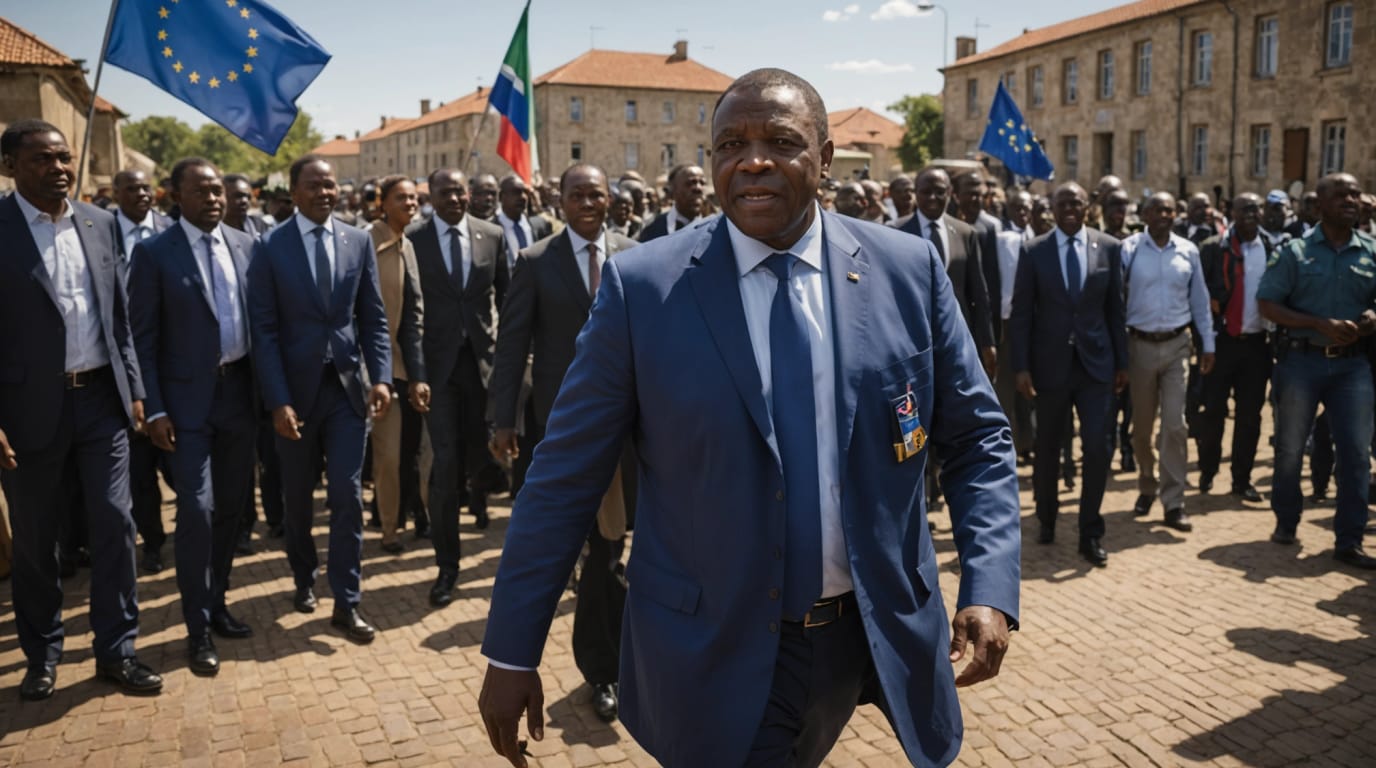
CAPE TOWN, South Africa – The European Union announced a €4.7 billion ($5 billion) investment package for South Africa on Thursday, signaling a strengthened partnership amid shifting global alliances and a recent withdrawal of aid from the United States. The investment, unveiled at the first EU-South Africa summit in seven years, aims to bolster South Africa's green energy transition, vaccine production, and overall economic development.
A Counterbalance to US Policy Shifts
The EU's commitment comes at a time when the United States, under President Donald Trump, has taken a more isolationist stance, implementing trade tariffs and cutting crucial aid to South Africa. Trump has accused South Africa of human rights violations related to land expropriation policies and has withdrawn the U.S. from agreements aimed at helping developing nations transition to clean energy. These actions have strained relations between the two countries and created an opening for the EU to deepen its engagement with South Africa.
Focus on Green Energy and Vaccine Production
The bulk of the EU investment, approximately €4.4 billion, will be directed towards clean energy projects, including harnessing wind and solar power and producing clean hydrogen. This aligns with South Africa's efforts to move away from its reliance on coal and transition to a more sustainable energy future. The remaining €700 million will be invested in ramping up vaccine manufacturing in South Africa, aiming to strengthen the country's health security and autonomy.
Ursula von der Leyen, the European Commission President, emphasized the EU's commitment to a cooperative approach, stating, "We want to strengthen and diversify our supply chains. But we want to do it in cooperation with you. Some countries are interested in just extracting materials from the ground and exporting profits elsewhere. That is not our model. We want to support local jobs, local added value, and high environmental and labor standards."
A Strategic Partnership
The EU-South Africa summit, the first since 2018, underscores the strategic importance of the relationship between the two partners. The EU is South Africa's largest trading partner and a leading foreign investor, accounting for approximately 47% of South Africa's total foreign direct investment stock. The EU also offers a more diversified and balanced exchange than with any other global market.
Since 2007, the EU and South Africa have maintained a strategic partnership aimed at boosting bilateral relations across various sectors. This partnership has facilitated cooperation in science, technology, innovation, and sustainable development. Total EU funding to South Africa has exceeded €3 billion, addressing issues ranging from energy and education to health and research and development.
Implications of US Aid Withdrawal
The US decision to cut aid to South Africa has raised concerns about the potential impact on the country's social and economic development. In 2024, the US provided $453 million in direct funding to South Africa under the President's Emergency Plan for AIDS Relief (PEPFAR). USAID programs also invested nearly $60 million in initiatives addressing climate change, gender equality, violence prevention, and democratic principles.
The withdrawal of US funding could impede progress in these areas, particularly in the fight against HIV/AIDS. South Africa has the world's largest population of people living with HIV/AIDS, and PEPFAR has been instrumental in providing life-prolonging therapies and supporting prevention programs. A sudden disruption of these programs could lead to decreased access to treatment, increased mortality, and higher rates of mother-to-child transmission.
South Africa's Economic Challenges and Reforms
South Africa faces significant economic challenges, including declining real per-capita income, persistent unemployment, pervasive poverty, and high inequality. The country's GDP growth has averaged only 0.8% annually since 2012, a rate insufficient to address these issues.
The South African government has committed to tackling these challenges through structural reforms aimed at improving the business environment, strengthening governance, and reforming the labor market. These reforms include allowing private-sector participation in electricity generation and freight rail and port operations, streamlining digital communications regulations and water licensing procedures, and modernizing the eVisa system.
A New Era of Cooperation
The EU's investment package and commitment to a "new generation" of trade deals with South Africa signal a deepening of the relationship between the two partners. This strengthened partnership could help South Africa address its economic challenges, transition to a more sustainable energy future, and mitigate the negative impacts of the US aid withdrawal.
The EU's actions also reflect a broader effort to reassert its influence in Africa and counter the growing presence of other global powers, such as China and Russia. By offering a cooperative and mutually beneficial partnership, the EU hopes to strengthen its ties with South Africa and promote its values of democracy, human rights, and sustainable development.
Conclusion
The EU's $5 billion investment in South Africa represents a significant commitment to the country's future and a strategic move in a changing global landscape. As the US pulls back from its traditional role as a development partner, the EU is stepping up to fill the void and forge a stronger alliance with Africa's most industrialized economy. This partnership promises to bring new opportunities for economic growth, sustainable development, and cooperation on global challenges.


