EU Unveils Ambitious €800 Billion Plan to 'Rearm Europe' Amidst Shifting Geopolitical Landscape
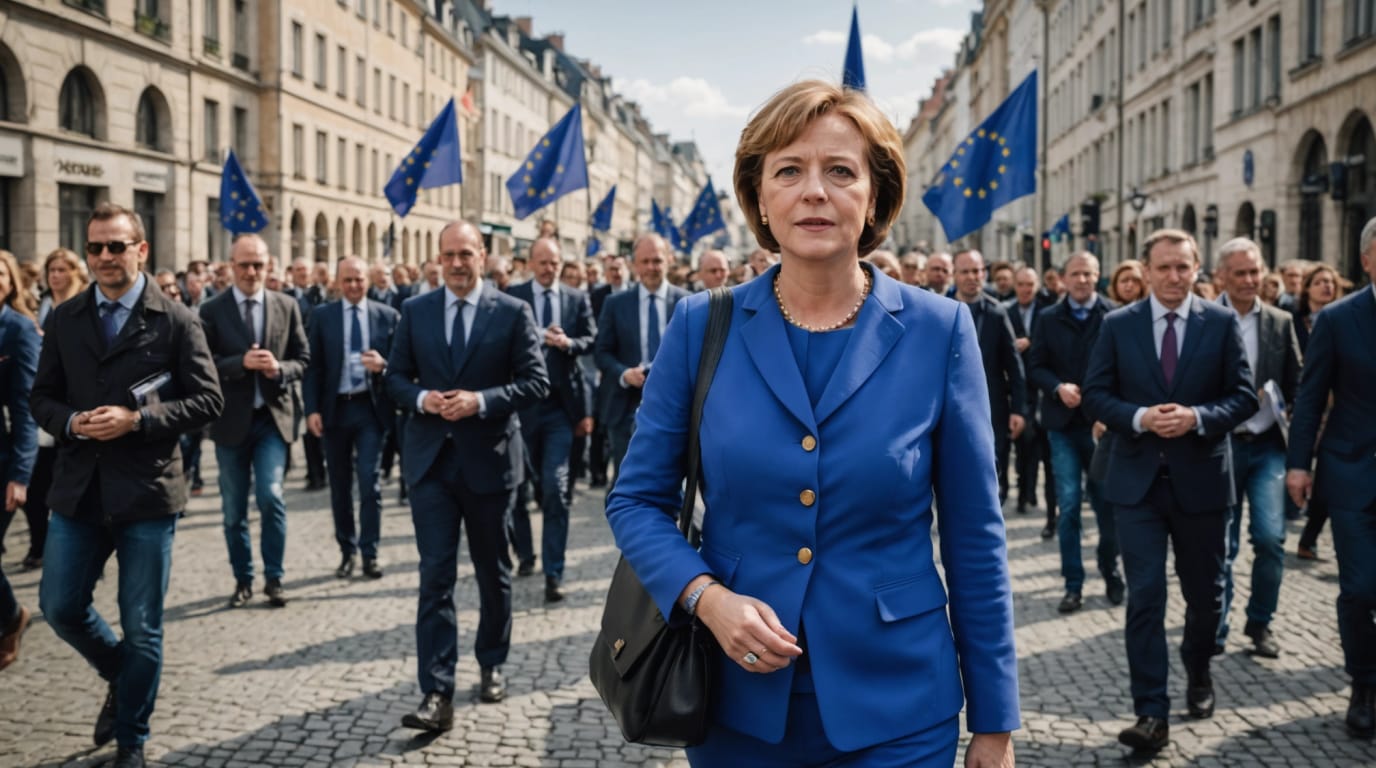
Brussels – In a bold move to bolster its security and defense capabilities, the European Union has proposed a plan to mobilize up to €800 billion in defense investment across the bloc. European Commission President Ursula von der Leyen announced the "Rearm Europe" initiative Tuesday, citing the need for the EU to take greater responsibility for its own security in an increasingly uncertain global environment. The proposal comes as the war in Ukraine continues and amid concerns over shifting U.S. foreign policy.
A Response to Global Instability
The "Rearm Europe" plan is a direct response to the evolving geopolitical landscape, particularly the ongoing conflict in Ukraine and a perceived shift in U.S. foreign policy under President Donald Trump. Von der Leyen's announcement came shortly after Trump's decision to halt military aid to Ukraine, underscoring the urgency for Europe to strengthen its own defense capabilities. The war in Ukraine has exposed vulnerabilities in Europe's defense capabilities and highlighted the need for increased investment in military infrastructure and technology. The conflict has also served as a catalyst for greater defense cooperation among EU member states.
The proposal reflects a growing consensus within the EU that Europe must be able to defend itself and project its interests on the world stage, regardless of the level of U.S. involvement. This sentiment has been building for years, but has been accelerated by recent events. The EU's foreign policy chief, Josep Borrell, has repeatedly called for the bloc to develop a more assertive foreign policy and to invest more in its defense capabilities.
Key Components of the Plan
The "Rearm Europe" plan outlines several key funding options to reach the €800 billion target. These include:
- Greater Budgetary Flexibility: Allowing member states to exclude defense spending from calculations of excessive deficit procedures for four years, effectively activating a temporary exception to the Stability and Growth Pact.
- Redirecting Existing Funds: Reallocating up to €150 billion in existing loans towards pan-European air defense, missile defense, ammunition, drone capabilities, and joint procurement initiatives.
- Cohesion Policy Funds: Permitting member states to redirect funds allocated for socio-economic development in less prosperous regions towards defense policies.
- Mobilizing Private Capital: Accelerating the Savings and Investment Union and leveraging the European Investment Bank to encourage private sector investment in the defense sector.
- New Incentives: Offering new incentives for member states to use cohesion policy funds for military spending, strengthening defense infrastructure and industry.
The plan aims to address critical gaps in European defense capabilities, including air and missile defense, drone technology, and ammunition stockpiles. It also seeks to promote greater interoperability among national armed forces through joint procurement and standardization of military equipment.
Implications for European Defense
The "Rearm Europe" plan represents a potentially significant shift in EU defense policy. If fully implemented, it could lead to a substantial increase in European defense spending and a strengthening of the European defense industrial base. The plan could also enhance the EU's ability to respond to crises and project its influence in the world.
However, the plan also faces several challenges. Securing the necessary funding will require the agreement of all 27 EU member states, some of whom may be reluctant to increase defense spending or to cede control over national defense policies. The plan also raises questions about the division of labor between the EU and NATO, and the potential for duplication of effort.
French President Emmanuel Macron has urged European nations to dramatically increase their yearly defense spending to over 3 percent of GDP. While Baltic nations have long called for military spending to rise to at least 3 percent of GDP, this is the first time the French leader has specified a new number.
The European Defence Fund
The European Defence Fund (EDF) is a key component of the EU's efforts to strengthen its defense capabilities. Established in 2021, the EDF supports collaborative defense research and development projects, and aims to foster an innovative and competitive defense industrial base. The EDF has a budget of approximately €8 billion for the period 2021-2027. The fund aims to increase the EU's technological edge and develop the capabilities that are key for the strategic autonomy and resilience of the Union and its Member States and the protection of its citizens.
The EDF incentivizes and supports collaborative, cross-border research and development in the area of defense. The EU will become one of the top 3 defense research investors in Europe.
Challenges and Considerations
Despite the ambitious goals of the "Rearm Europe" plan, several challenges and considerations remain.
- Funding and Agreement: Securing the agreement of all 27 EU member states on the funding mechanisms and priorities will be crucial. Some member states may be hesitant to increase defense spending significantly or to cede control over national defense policies.
- EU vs. NATO: The plan raises questions about the division of labor between the EU and NATO. Ensuring that the EU's defense efforts complement and strengthen NATO, rather than duplicate or undermine them, will be essential.
- Industrial Capacity: Scaling up the European defense industrial base to meet the increased demand for military equipment and technology will require significant investment and coordination.
- Political Will: Maintaining the political will and momentum to implement the "Rearm Europe" plan over the long term will be critical, especially as geopolitical circumstances evolve.
A New Era for European Defense?
The "Rearm Europe" plan marks a potentially pivotal moment for European defense. Driven by a confluence of factors, including the war in Ukraine, concerns about U.S. foreign policy, and a growing recognition of the need for greater European strategic autonomy, the EU is embarking on an ambitious effort to strengthen its defense capabilities.
Whether the plan succeeds in achieving its goals will depend on a number of factors, including the ability to secure the necessary funding, to overcome political obstacles, and to effectively coordinate defense efforts among member states. However, the "Rearm Europe" plan signals a clear determination on the part of the EU to take greater responsibility for its own security and to play a more assertive role in the world.


