EU Unveils Ambitious Security Strategy to Bolster Defenses Amidst Global Instability
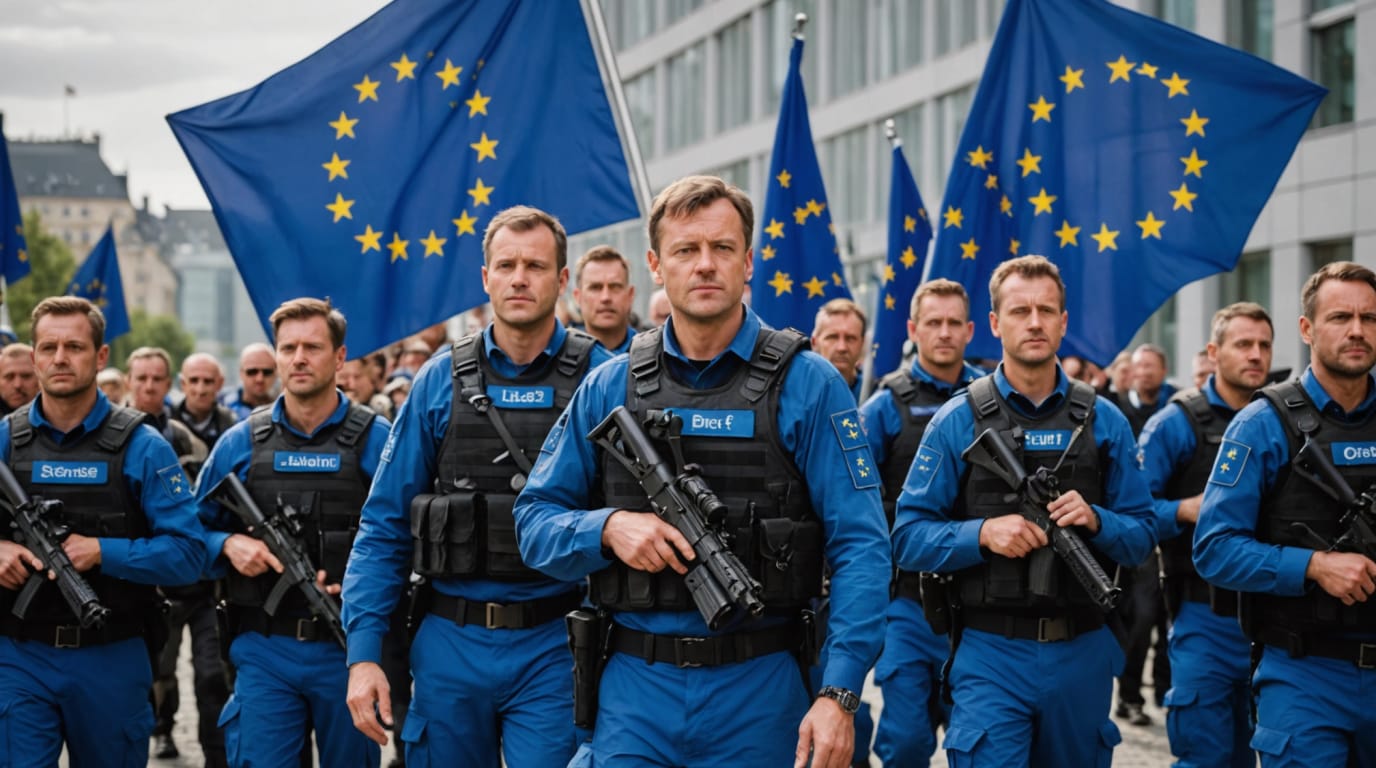
Brussels – The European Union has announced a comprehensive new security strategy aimed at strengthening the bloc's defenses and enhancing its ability to respond to a wide range of threats, both within its borders and beyond. The strategy comes as the EU faces increasing challenges, including geopolitical instability, cyberattacks, terrorism, and the growing impact of climate change on security.
A Multi-Faceted Approach to Security
The EU's new security strategy adopts a multi-faceted approach, focusing on several key areas: protecting critical infrastructure, countering hybrid threats, combating terrorism and organized crime, strengthening cybersecurity, and enhancing cooperation with international partners. The strategy emphasizes the need for a coordinated response across all sectors of society, linking public and private entities in a common effort.
One of the central pillars of the strategy is the protection of critical infrastructure, such as energy grids, transportation networks, and healthcare facilities. Recognizing the vulnerability of these systems to both physical and cyberattacks, the EU aims to bolster their resilience through risk assessments, protective measures, and backup plans. This includes securing IT systems, diversifying energy sources, and implementing robust cybersecurity protocols.
Addressing Hybrid Threats and Disinformation
The strategy also addresses the growing threat of hybrid warfare, which combines conventional military tactics with non-military means, such as disinformation campaigns, cyberattacks, and economic pressure. The EU plans to counter these threats by improving its ability to detect, prevent, and respond to them. This includes strengthening its cyber defenses, enhancing its intelligence capabilities, and working with social media platforms to combat the spread of disinformation.
The fight against illegal content online will also play a key role, including tackling child sexual abuse. Major technology companies and platforms are now accountable for content they host and have taken commitments to take down illegal content.
Combating Terrorism and Organized Crime
The EU's new security strategy reaffirms its commitment to combating terrorism and organized crime. The strategy focuses on preventing radicalization, prosecuting terrorists effectively, and cooperating with non-EU countries to cut off sources of terrorist financing. It also addresses other forms of organized crime, such as drug trafficking, human trafficking, and cybercrime, through a combination of legislative tools, cutting-edge technology, and joint investigation teams.
Europol and Eurojust are given reinforced responsibilities, with Europol acting as a hub for different police agencies, and Eurojust coordinating judicial cooperation and prosecutions.
Investing in Cyber Resilience
Recognizing the increasing importance of cybersecurity, the EU aims to strengthen its cyber defenses and build a culture of cybersecurity by design. This includes ensuring the cybersecurity of 5G networks, establishing a Joint Cyber Unit for structured and coordinated operational cooperation, and building more robust international partnerships against cyberattacks. A new European Cyber Resilience Act will increase the common approach to cyber infrastructure and standards. The EU will work towards the establishment of a European infrastructure of Security Operations Centres.
Strengthening International Partnerships
The EU recognizes that many of the security challenges it faces are global in nature and require international cooperation to address effectively. The strategy emphasizes the importance of working with partners around the world, including NATO, to address common threats, such as terrorism, cybercrime, and climate change. The EU is also committed to strengthening its cooperation with countries in its neighborhood, such as Ukraine and Moldova, to help them build their own security capacity.
The EU has also intensified its cooperation with the Western Balkans, especially in counter-terrorism, and has engaged in dialogues with the Middle East, Afghanistan, Central Asia, and other regions to address security challenges.
A New Funding Package: Security Action for Europe (SAFE)
Adding to the EU's efforts, the European Commission has proposed a new €150 billion ($163 billion) Security Action for Europe (SAFE) funding package. This initiative aims to allow member states to scale up their defense investments through common procurement from the European defense industry, focusing on priority capabilities. The funding will be raised through capital markets and redistributed to member states through loans based on demand and national equipment plans.
Joint SAFE procurements require involvement from at least two countries, one of whom must be an EU member. Eligibility is extended beyond EU members to Ukraine, European Free Trade Association (EFTA) countries — comprising of Iceland, Liechtenstein, Norway and Switzerland — and European Economic Area (EEA) nations. Notably, the United States and the United Kingdom have been excluded from participation.
Implications for the Future of European Security
The EU's new security strategy represents a significant step towards strengthening the bloc's defenses and enhancing its ability to respond to a wide range of threats. By adopting a comprehensive and coordinated approach, the EU aims to create a more secure and resilient environment for its citizens. However, the success of the strategy will depend on the willingness of member states to work together and invest in the necessary capabilities.
The strategy also has implications for the EU's relationship with the United States. By seeking to strengthen its own defenses, the EU is signaling its desire to take greater responsibility for its own security. This could lead to a more balanced transatlantic relationship, with the EU playing a greater role in addressing global security challenges.
As the world becomes increasingly complex and uncertain, the EU's new security strategy provides a framework for addressing the challenges of the 21st century. By investing in its own defenses and working with partners around the world, the EU can help to create a more secure and stable world for all.


