EU Unveils Sweeping Plan to Bolster Disaster Preparedness Across Member States
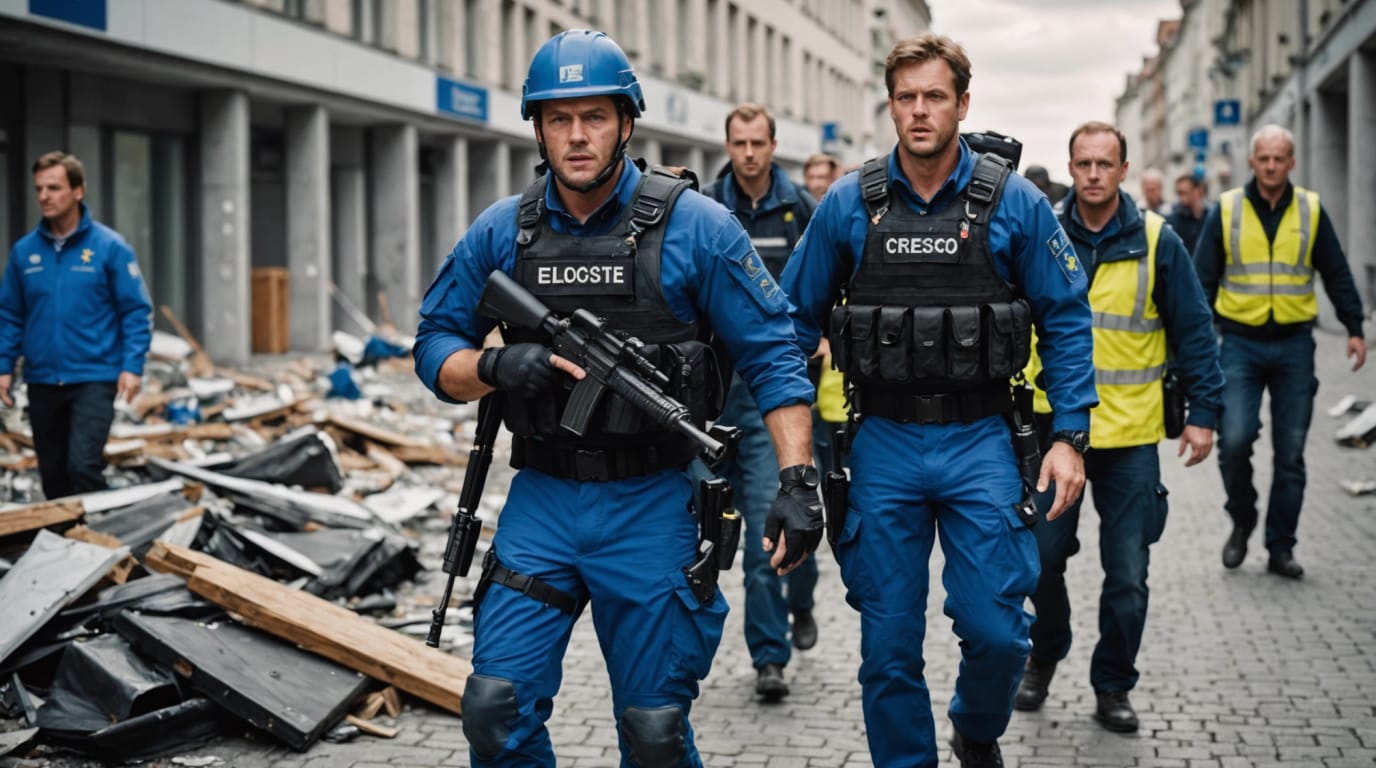
Brussels – In response to escalating global threats ranging from geopolitical instability and climate change to cyberattacks and pandemics, the European Union has launched a comprehensive strategy aimed at significantly enhancing disaster preparedness and crisis response capabilities across its member states. The Preparedness Union Strategy, unveiled Wednesday, marks a pivotal shift towards a more proactive and coordinated approach to managing emergencies, emphasizing prevention, resilience, and a unified response across all levels of society.
The strategy addresses a growing recognition that Europe faces unprecedented challenges that demand a more robust and integrated approach to security. Officials emphasized the need to move beyond ad-hoc reactions to crises and instead adopt a systematic framework for anticipating, preventing, and responding to a wide range of potential disasters.
A Multi-Faceted Approach to Resilience
The Preparedness Union Strategy is built upon three core principles: an integrated all-hazards approach, a whole-of-society approach, and a whole-of-government approach. The all-hazards approach ensures that preparedness efforts are not siloed but rather address all types of potential threats, whether natural disasters, hybrid attacks, or public health emergencies. The whole-of-society approach recognizes that effective crisis management requires the involvement of all sectors, organizations, and individuals, fostering a culture of resilience throughout the EU. The whole-of-government approach mandates that government agencies and departments coordinate and collaborate to address hazards more effectively, breaking down barriers between internal and external security.
Key actions outlined in the strategy include:
- Developing a comprehensive EU-wide risk and threat assessment: This assessment will evaluate threats based on their likelihood and potential impact, enabling a more unified and strategic response.
- Establishing an EU Crisis Coordination Hub: This hub will serve as a central point for coordinating crisis response efforts, building upon the expertise of the existing Emergency Response Coordination Centre (ERCC).
- Strengthening the Union Civil Protection Mechanism (UCPM): The UCPM serves as the EU's protective shield in times of emergency, coordinating aid, mobilizing emergency teams, and delivering life-saving assistance.
- Promoting population preparedness: This includes improving early warning systems, increasing awareness about risks and threats, promoting media literacy and critical thinking to build resilience to information manipulation, and developing guidelines for citizens to maintain a minimum of 72 hours of self-sufficiency.
Equipping Citizens for Crisis
A notable element of the Preparedness Union Strategy is its focus on empowering individual citizens to prepare for potential crises. The European Commission is urging households across the EU to assemble a three-day survival kit containing essential supplies such as bottled water, non-perishable food, basic survival equipment, and waterproof storage for important documents. This initiative draws inspiration from recommendations by former Finnish President Sauli Niinistö, who has long advocated for a broad definition of security that extends beyond military defense to encompass individual and community resilience.
The recommendation for a 72-hour survival kit reflects a pragmatic approach to disaster preparedness, recognizing that in the immediate aftermath of a major crisis, government assistance may be delayed or overwhelmed. By equipping citizens to be self-sufficient for a minimum of three days, the EU aims to reduce the strain on emergency services and allow resources to be directed to those in the most critical need.
Investing in Critical Infrastructure and Resources
Beyond individual preparedness, the EU strategy emphasizes the importance of reinforcing critical national infrastructure to withstand potential disruptions. This includes healthcare systems, water supplies, telecommunications networks, and other essential services. The strategy calls for the development of minimum preparedness criteria for these essential services, as well as enhanced stockpiling of critical equipment and materials.
Recognizing the growing threat of climate change, the strategy also prioritizes climate adaptation measures and ensuring the availability of critical natural resources such as water. This includes promoting sustainable water management practices, investing in drought-resistant infrastructure, and developing strategies for managing water scarcity during times of crisis.
Strengthening Cooperation and Coordination
The Preparedness Union Strategy underscores the importance of enhanced cooperation and coordination among EU member states, as well as with external partners such as NATO. The strategy calls for greater collaboration on civil and defense preparedness, as well as the development of a robust EU-wide risk assessment system.
To facilitate this cooperation, the strategy proposes the establishment of a European cybersecurity alert system and the introduction of a national preparedness day to foster coordination among civil services, businesses, the EU, NATO, and member states. The Commission is also considering the feasibility of an EU-wide Preparedness Law, though the binding nature of its provisions remains to be determined.
A Generational Shift in Security Thinking
The launch of the Preparedness Union Strategy represents a significant shift in the EU's approach to security, moving from a reactive to a proactive model. By embracing an all-hazards, whole-of-society, and whole-of-government approach, the EU aims to build a more resilient and secure continent, better equipped to face the complex challenges of the 21st century.
The strategy also seeks to engage younger generations in preparedness efforts, leveraging programs like Erasmus+ and the European Solidarity Corps to build a new generation that is aware, trained, and ready to act in an emergency. By fostering media literacy and critical thinking skills, the EU hopes to empower young people to identify and combat misinformation, further strengthening societal resilience.
As the EU moves forward with implementing the Preparedness Union Strategy, the focus will be on translating the strategy's ambitious goals into concrete actions. This will require sustained commitment from member states, as well as ongoing investment in preparedness capabilities. However, by working together and embracing a culture of resilience, the EU can significantly enhance its ability to protect its citizens and respond effectively to future crises.


