Europe Ablaze: Wildfires Force Mass Evacuations as Climate Crisis Deepens
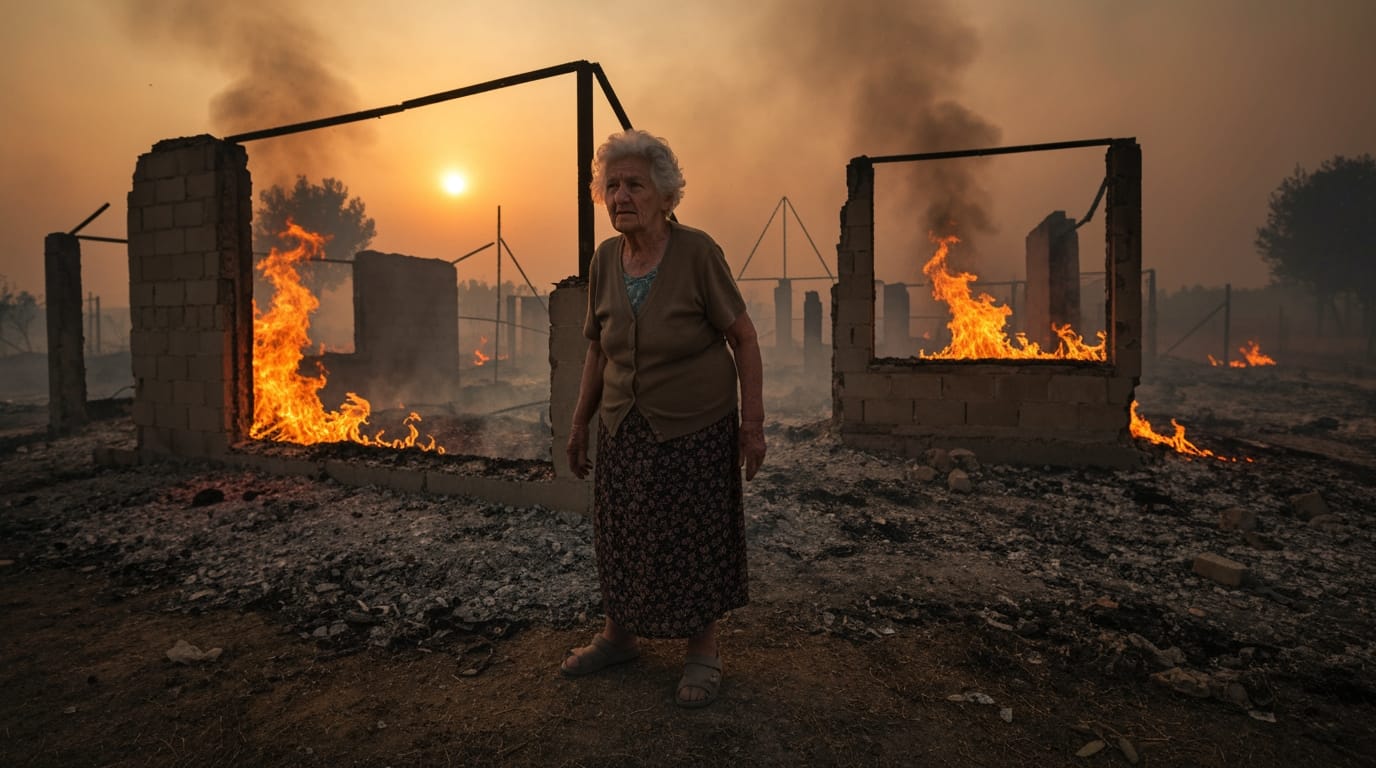
Southern Europe is currently gripped by an unprecedented wave of wildfires, forcing the evacuation of at least 200,000 people from their homes and vacation spots across France and Spain. The infernos, fueled by a record-breaking June heatwave and persistent drought conditions, have overwhelmed emergency services and cast a pall of smoke across vast swathes of the continent, prompting urgent calls for international aid. As blazes continue to rage, the human cost and ecological devastation mount, underscoring the escalating impact of climate change on the region.
Europe Engulfed: A Crisis Unfolds on the Frontlines
The most immediate and dramatic impacts of the fires are being felt in southwestern France and central Spain, where tens of thousands have been uprooted from their lives. In France, over 110,000 people have been evacuated from the Gironde department alone, with an additional 40,000 fleeing the popular Cap Ferret peninsula and 31,000 from the Landes department, including the town of Parentis-en-Born. Many were forced to escape by both road and sea as flames threatened to cut off routes. Meanwhile, in central Spain, an estimated 60,000 residents have been displaced from areas surrounding Madrid and the Ávila province, with Spain declaring a national emergency due to the severity of the crisis.
Emergency crews describe some fires as "self-sustaining" and "beyond extinguishing capacity," facing a "perfect storm" of high temperatures, relentless winds, and arid landscapes. Homes and infrastructure have been ravaged, with reports of 80 homes burned in France, 50 of them completely destroyed, and 43 homes lost in Spain. The fires have not only displaced communities but also disrupted major events, with portions of the Tour de France bicycle race near the Pyrénées mountains closed to spectators to allow firefighter access.
The Blazing Footprint and Mounting Human Cost
Beyond the immediate evacuations, the sheer scale of the blazes this season is alarming. Across the European Union, 254,388 hectares have burned since the start of 2026, a figure that, while slightly less than the record-setting 2025 season, remains significantly above the 20-year average. Specific areas have seen immense destruction: a single wildfire in Spain has scorched approximately 32,000 hectares (79,000 acres), making it one of the largest on record for the country, while France has seen over 50,000 hectares burned nationwide this year.
The human toll extends beyond displacement and property loss. Wildfire smoke, laden with fine particulate matter and hazardous substances, has severely impacted air quality for hundreds of kilometers, exacerbating respiratory and cardiovascular conditions, especially for vulnerable populations such as children, the elderly, and those with pre-existing health issues. The current wildfire crisis follows a deadly June heatwave that resulted in an estimated 2,025 excess deaths in France and 1,029 in Spain, highlighting the interconnected health risks posed by extreme weather events. Economically, the fires devastate timber resources, recreational areas, and biodiversity, with annual direct damages across Europe already estimated at €2.4 billion, a figure projected to nearly double with further global warming.
Climate's Crucible: The Deeper Roots of the Crisis
The increasing frequency and intensity of these European wildfires are inextricably linked to the continent's rapidly changing climate. Europe is the fastest-warming continent, experiencing prolonged droughts, record-breaking heatwaves, and unpredictable weather patterns that create ideal conditions for blazes to ignite and spread. Higher temperatures and extended dry periods render forests highly susceptible to ignition, with the traditional "fire season" now stretching from early spring to late autumn in many Mediterranean regions.
While natural factors contribute, human actions remain a significant cause of ignitions, whether through negligence or arson. Compounding the issue is rural depopulation, which has led to decreased maintenance of forested areas and an accumulation of dry vegetation, providing ample fuel for fires. Experts warn that climate change will continue to lengthen the fire season and increase population exposure to severe fire weather conditions across Europe, including regions previously less prone to such disasters.
Coordinated Response Amidst Overwhelm
In response to the escalating crisis, national governments and the European Union have mobilized extensive resources. France, Spain, and Portugal have activated the EU Civil Protection Mechanism, leading to the deployment of firefighting aircraft and ground teams from across the continent. A total of 777 firefighters from 14 European countries have been pre-positioned in high-risk areas across Cyprus, Greece, Italy, France, Spain, and Portugal, supported by 22 firefighting airplanes and 5 helicopters from the EU fleet.
Despite these concerted efforts, emergency services are stretched thin. Thousands of personnel, hundreds of vehicles, and dozens of aircraft are battling blazes across multiple fronts, often hampered by strong winds, extreme temperatures, and low humidity. The EU acknowledged the rising risks of wildfires due to climate change by launching a new integrated approach to wildfire risk management in March 2026, focusing on prevention, preparedness, response, and recovery.
A Fiery Future on the Horizon
The current European wildfire crisis serves as a stark reminder of the accelerating impacts of climate change. With wildfires becoming notably more frequent and intense – a 57% increase across the WHO European Region since 2022 alone – the continent faces a deepening environmental and humanitarian challenge. The cycle of destruction is complex; blazes degrade ecosystems, contribute to carbon emissions, and increase the risk of subsequent environmental disasters like erosion and landslides once the rains return.
As Europe navigates this fiery summer, the long-term implications necessitate a comprehensive re-evaluation of land management, urban planning, and climate adaptation strategies. The ongoing evacuations of hundreds of thousands underscore the urgent need for robust prevention measures and enhanced international cooperation to protect lives, livelihoods, and the natural environment from an increasingly unpredictable and extreme climate.


