Europe Blames Russia for Stalling Trump's Ukraine Truce Efforts
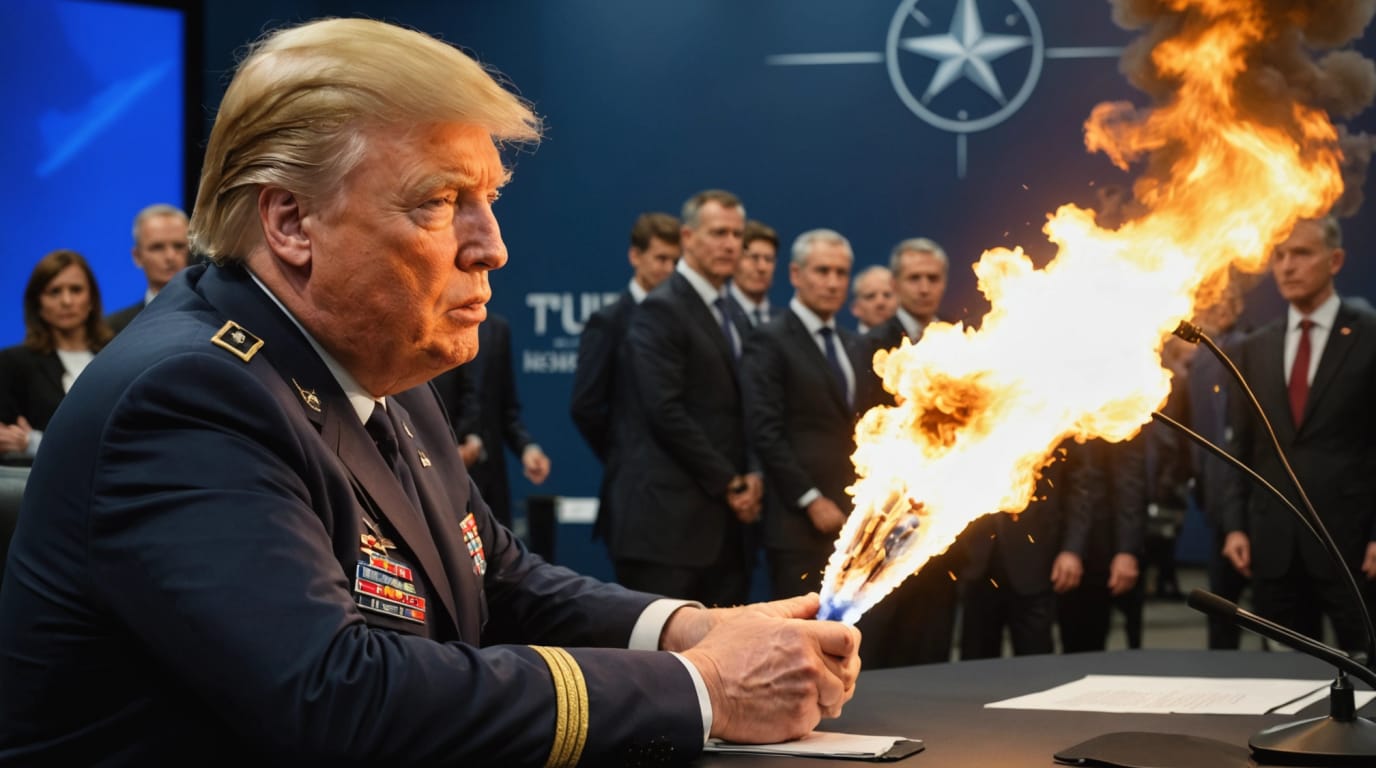
BRUSSELS — European foreign ministers on Friday rebuked Russia for allegedly obstructing a U.S.-led initiative to establish a ceasefire in Ukraine, signaling a growing rift between European allies and the Trump administration regarding strategies for resolving the ongoing conflict. The ministers, meeting at NATO headquarters in Brussels, voiced concerns that Moscow's reluctance to embrace a truce is undermining efforts to de-escalate the three-year-old war and potentially emboldening further Russian aggression.
European Concerns Mount Over Russia's Stance
The European ministers' criticism comes amid increasing unease about President Trump's approach to Russia, which some perceive as overly conciliatory. While Trump has repeatedly expressed optimism about his ability to broker a peace deal with Russian President Vladimir Putin, European officials are skeptical of Putin's commitment to genuine negotiations. They fear that Russia is using the guise of diplomacy to buy time and consolidate its territorial gains in Ukraine.
French Foreign Minister Jean-Noël Barrot stated that Moscow "owes an answer to the United States" after the U.S. put forth considerable effort in mediating and proposing a ceasefire. British Foreign Secretary David Lammy accused Putin of "obfuscating" and "dragging his feet," emphasizing Russia's continued bombardment of Ukraine's civilian population and energy infrastructure. German Foreign Minister Annalena Baerbock dismissed Putin's negotiation overtures as "empty promises" and accused him of "playing for time by raising ever new demands."
Trump's Ceasefire Push Faces Resistance
The U.S. proposal, reportedly presented to both Ukraine and Russia in March, called for a 30-day ceasefire. While Ukraine agreed to the terms, Moscow rejected the proposal, citing concerns that it did not address the "root causes" of the conflict. Russia has consistently demanded that Ukraine abandon its aspirations to join NATO and cede control of the four partially occupied regions of Donetsk, Luhansk, Kherson, and Zaporizhzhia. Kyiv has rejected these demands.
Despite Russia's initial rejection, the U.S. has continued to engage with both sides in an attempt to find common ground. A senior State Department official noted "overwhelming support for Ukraine, for ending the war, for President Trump's efforts to conclude the war, but also recognition that Russia needs to do more in this context" during the first day of NATO talks.
NATO Strategy Discussions Stall Amid Uncertainty
The uncertainty surrounding the U.S. approach has reportedly led to a standstill in NATO's own strategic planning regarding Russia. Discussions on recalibrating NATO's strategy, initially slated for completion by the alliance's summit in The Hague in June 2025, have been effectively suspended for months. According to diplomatic sources, Washington's partners "do not know" what the U.S. president seeks to achieve in the negotiations. This lack of clarity is hindering NATO's ability to formulate a unified and coherent response to the evolving security landscape.
The situation highlights the delicate balance NATO faces in maintaining a united front while navigating differing perspectives on how to engage with Russia. European nations, many of whom are geographically closer to the conflict zone, are particularly sensitive to any perceived weakening of resolve in deterring Russian aggression.
Implications for European Security
The current impasse raises significant questions about the future of European security. A senior NATO diplomat expressed concern that Europeans are not adequately involved in negotiations that "will determine the security situation in Europe for the next decades." The diplomat's statement underscores the fear that a deal brokered solely by the U.S. and Russia may not fully address European concerns or safeguard their long-term interests.
The potential for a U.S.-Russia agreement that compromises Ukraine's sovereignty or territorial integrity is a major source of anxiety for many European nations. They worry that such an outcome could embolden Russia to pursue further expansionist policies and undermine the credibility of NATO's collective defense commitments.
Finding a Path Forward
As the war in Ukraine enters its fourth year, the need for a durable and just resolution becomes ever more pressing. While President Trump's efforts to initiate a ceasefire are commendable, they must be accompanied by a clear and consistent strategy that addresses the underlying causes of the conflict and safeguards the security interests of all parties involved.
Moving forward, it is crucial for the U.S. to work closely with its European allies to forge a common approach to Russia. This includes ensuring that Europe has a seat at the table during any negotiations and that their concerns are fully taken into account. Only through a united and coordinated effort can the West hope to achieve a lasting peace in Ukraine and deter further Russian aggression.


