Europe Braces for Impact as Trump's Tariffs Threaten Transatlantic Trade
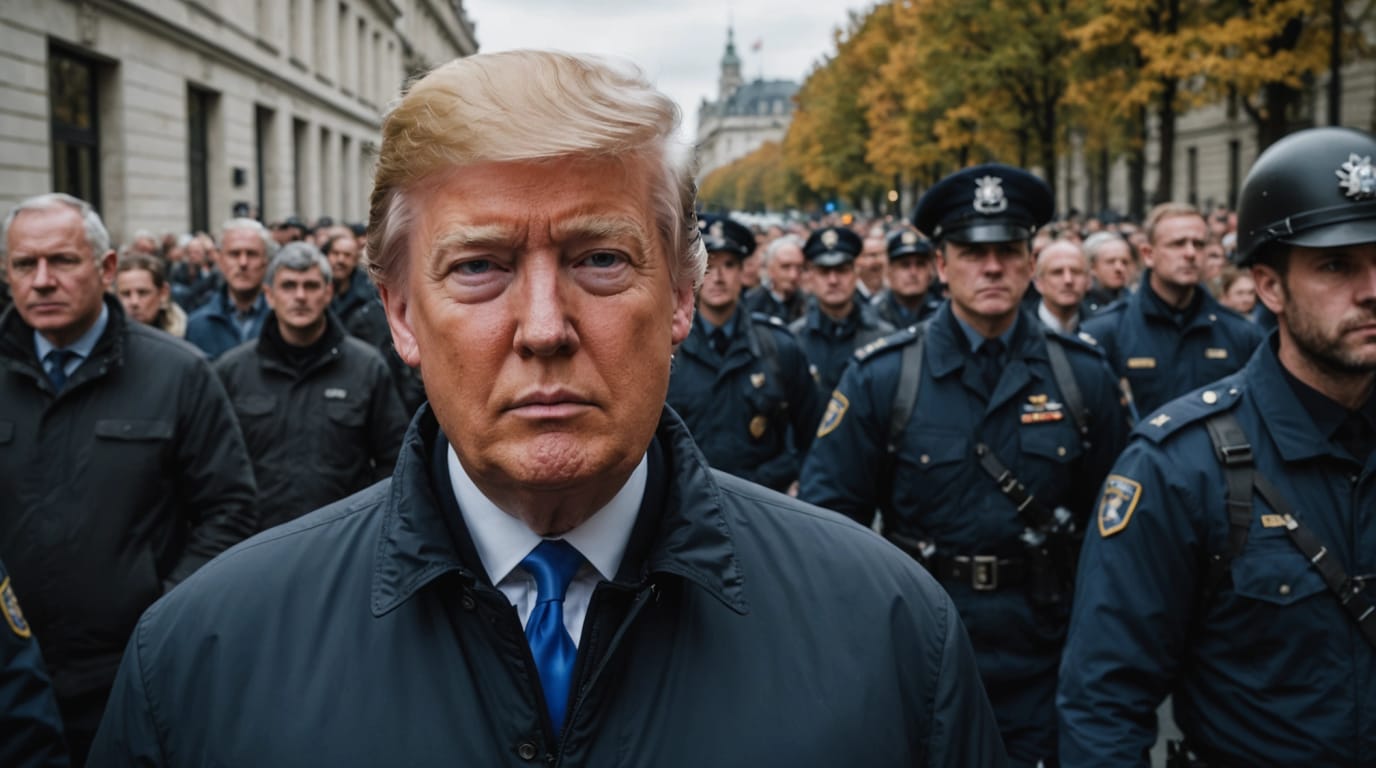
Europe is steeling itself for a potential trade war with the United States after President Donald Trump announced new tariffs on goods from the European Union and other countries. The move has been met with condemnation from European leaders, who are now preparing countermeasures to protect their economies. The tariffs, which include a 20% levy on EU goods, have sparked fears of dire consequences for consumers and businesses on both sides of the Atlantic.
EU Condemns "Major Blow" to World Economy
European Commission President Ursula von der Leyen has strongly criticized the tariffs, calling them a "major blow to the world economy." She warned that the consequences "will be dire for millions of people around the globe," with the potential for increased costs for groceries, transport, and medicine, particularly affecting the most vulnerable citizens. Von der Leyen acknowledged the need to address deficiencies in the global trading system but insisted that tariffs are not the solution.
German Chancellor Olaf Scholz echoed these concerns, describing the tariffs as "fundamentally wrong" and an attack on a trade system that has fostered prosperity worldwide. He affirmed Europe's commitment to defending its interests with a united, strong, and proportionate response.
Countermeasures in the Works
The EU is finalizing its first package of countermeasures in response to previous tariffs on steel and aluminum and is preparing further measures to protect its interests if negotiations with the U.S. fail. While the details of these countermeasures remain confidential, German Economy Minister Robert Habeck hinted at a broad, strategic response targeting specific American goods.
The EU's Trade Enforcement Regulation enables the bloc to suspend or withdraw concessions under international trade agreements when other countries breach these agreements and harm the EU's commercial interests. This allows the EU to take swift countermeasures without requiring approval from national parliaments.
Potential Economic Fallout
The impact of the tariffs on the European economy could be significant. ING Think estimates that a 20% blanket tariff could shave off 0.3 percentage points of eurozone GDP growth over the next two years, considering only the direct and indirect trade impact. This could be further exacerbated by secondary effects on consumer and business confidence, potentially leading to reduced consumption and investment.
The Peterson Institute for International Economics estimates that the threatened 25% tariffs against the EU would reduce US GDP by 0.2%, while the Tax Foundation estimates that before accounting for any foreign retaliation, the imposed tariffs on Canada, Mexico, China; the expansion of the steel and aluminum tariffs; and the tariffs on autos and auto parts would reduce US economic output by 0.4 percent.
Specific sectors, such as the automotive industry, are particularly vulnerable. The EU automotive sector anticipates a potential increase to 25% tariffs from the current 2.5%, which would make EU cars significantly less price-competitive in the American market.
Seeking a Negotiated Solution
Despite the escalating tensions, the EU has consistently expressed its preference for a negotiated solution to avoid mutual economic harm. German Finance Minister Jörg Kukies has proposed a free trade area between the U.S. and the EU, effectively reducing tariffs to zero for both sides.
The EU Trade Commissioner, Maroš Šefčovič, remains engaged with his U.S. counterparts, seeking to reduce barriers rather than raise them. The EU has also emphasized its willingness to work with the U.S. administration to find a solution and has stated that the countermeasures can be reversed at any time if an agreement is reached.
Impact on Global Trade
Trump's tariffs are not limited to the EU, with higher, individualized tariffs imposed on approximately 60 countries that the U.S. considers to be the worst trade offenders. This has raised concerns about a potential protectionist spiral, reminiscent of the 1930s, as countries retaliate with their own tariffs.
The EU is advocating for a coalition in support of rules-based trade, emphasizing the need for reform within the World Trade Organization (WTO) to address legitimate concerns raised by the U.S. and other members. The EU has also indicated its willingness to lead a WTO dispute-settlement case against the U.S. tariffs.
Conclusion: Navigating Uncertain Waters
As the April 9th effective date of the tariffs approaches, the EU finds itself at a critical juncture. While preparing countermeasures to protect its economic interests, it remains committed to seeking a negotiated solution with the U.S. The outcome of this trade dispute will have far-reaching consequences for transatlantic relations, the global trading system, and the economies of both the EU and the U.S. The EU must navigate these uncertain waters with a combination of firmness, strategic thinking, and a commitment to multilateralism to safeguard its prosperity and defend the principles of fair and rules-based trade.


