Europe Engulfed: A Continent's Escalating Battle Against Unprecedented Wildfires
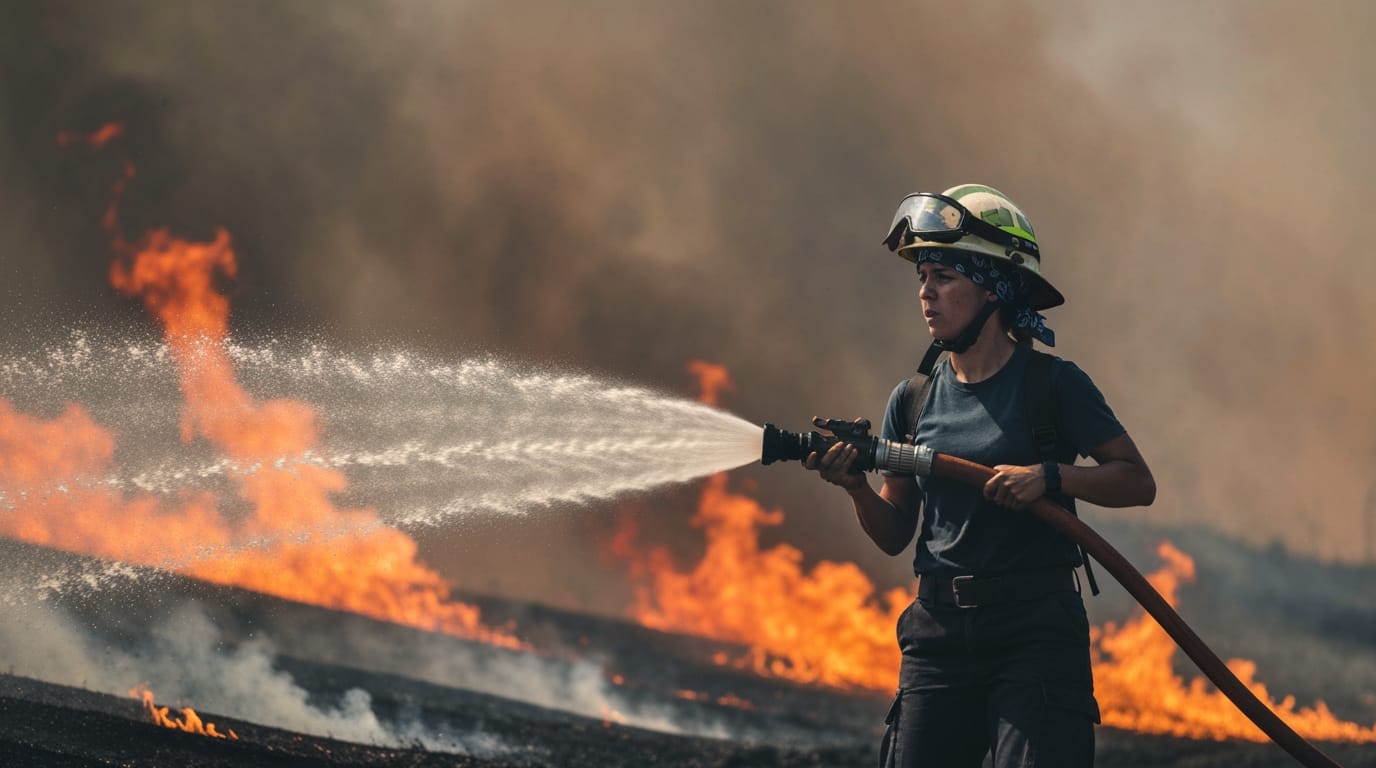
Europe finds itself on the front lines of an escalating wildfire crisis, with 2026 marking a devastating year that has surpassed previous records in both scale and intensity. Across the continent, from the parched Mediterranean coasts to increasingly vulnerable central and western regions, communities are grappling with an unprecedented onslaught of blazes fueled by a dangerous confluence of climate change, extreme weather patterns, and shifting land use. The human toll is mounting, with hundreds of thousands evacuated and lives lost, while the economic and ecological costs are spiraling into billions of euros, threatening long-term stability and resilience.
The Perfect Storm: Climate Whiplash and Land Transformation
The dramatic increase in European wildfires is not a singular phenomenon but rather the culmination of interconnected environmental and societal shifts. A primary driver is climate change, which has led to warmer temperatures, prolonged droughts, and increasingly unpredictable weather patterns, creating ideal conditions for ignition and rapid spread. Scientists point to a phenomenon termed "climate whiplash," where periods of unusually heavy rainfall promote explosive vegetation growth, only for subsequent heatwaves and droughts to transform this abundance into highly combustible fuel. This sequence, previously observed in other parts of the world, is becoming increasingly common across Europe.
Beyond climate, decades of changing land use patterns have significantly exacerbated the problem. Europe's countryside has undergone a profound transformation, with abandoned farms and a decline in livestock grazing leading to vast areas once kept open by agriculture now being covered in dense shrubs, young trees, and dry undergrowth. This continuous layer of combustible material allows fires to spread farther and faster than ever before. Human activity remains a dominant factor in ignitions, responsible for approximately 90% of wildfires, whether through negligence or deliberate acts. The resulting "sixth-generation wildfires" are characterized by their extreme intensity, rapid spread, and destructive power, often generating their own localized weather patterns and overwhelming conventional firefighting capabilities.
A Continent Ablaze: Devastation and Displacement
As of late July 2026, the European Union has seen 434,976 hectares scorched, a figure that already surpasses the total recorded for the same period in 2025, previously the worst year on record, and more than double the long-term average over the last two decades. The number of fires detected this year, 1,407, also significantly exceeds the long-term average. While Southern European nations like Portugal, Spain, Greece, and Italy have historically borne the brunt of fire seasons, recent years have seen the crisis extend with increasing ferocity into France and even parts of Central Europe.
France and Spain have been particularly hard-hit this year. France is on course for its worst wildfire year since 1949, with over 115,000 hectares burned. In Spain, wildfires have become larger and more frequent, with the country experiencing its largest blaze on record in 2026. The human cost of these fires is devastating. More than 300,000 people have been forced to evacuate their homes in France and Spain alone, fleeing advancing flames that threaten towns, campsites, and holiday resorts. For instance, the Gironde region in France saw 224,000 people evacuated. While direct fatalities from wildfires in Europe between 1981 and 2023 totaled 741 across the EEA-32 region, with Greece and Portugal accounting for the highest numbers, recent incidents continue to claim lives, including three in Greece this past week.
The economic repercussions are equally severe. Wildfires cost the European Union an estimated 2.5 billion euros annually through damage to infrastructure, loss of tourism revenue, and disruption to wider economic activity. Studies indicate that major fires can reduce annual GDP growth in affected Southern European regions by 0.11% to 0.18%, with cumulative reductions reaching between 3.3% and 4.8% in severe years. The broader financial impact extends beyond property damage to include crop and vineyard destruction, business interruption, supply chain disruptions, and evacuation expenses. Moreover, the fires release vast quantities of carbon dioxide, contributing to a dangerous feedback loop that further accelerates global warming. The smoke generated by these blazes can also travel thousands of kilometers, significantly impacting air quality and posing serious public health risks, potentially shortening lives.
Innovations on the Front Lines: Technology and Preparedness
In response to the escalating crisis, Europe is increasingly focusing on shifting from reactive firefighting to a more proactive and integrated approach to wildfire risk management. This new strategy, outlined by the EU Commission in March 2026, emphasizes prevention, preparedness, response, and recovery.
Technological innovations are playing a crucial role in enhancing capabilities. Satellite-based monitoring systems, such as the Copernicus Emergency Management Programme and OroraTech, provide early detection and real-time data on fire spread, allowing for faster and more strategic deployment of resources. The European Forest Fire Information System (EFFIS) provides updated and reliable information on wildfires across Europe. Drones are being deployed for detailed local situation reports and for reforestation efforts in burned areas using AI and specialized seedpods. Ground-based IoT sensors combined with machine learning are helping to detect fire risks earlier in areas like Spain, transforming wildfire management from reactive to proactive. Furthermore, projects like SILVANUS are testing ground robots, unmanned aerial vehicles, and advanced communication systems to improve preparedness and response.
Alongside technological advancements, there is a growing emphasis on sustainable forest management practices. This includes reducing fuel loads through strategic grazing, biomass removal, and carefully managed prescribed burning, as well as creating diverse landscape mosaics that are less susceptible to unchecked fire spread. Ecosystem restoration, such as replacing fire-prone exotic species with native, fire-resistant ones, is also gaining traction. Community involvement is recognized as vital, empowering residents with education, evacuation plans, and support for managing vegetation around their homes.
A United Response: Cross-Border Cooperation and Future Outlook
The scale of the wildfire threat necessitates a united European response. The EU Civil Protection Mechanism has been activated multiple times this season, facilitating the deployment of firefighters, specialized aircraft, and vehicles from member states to assist countries under duress. The rescEU program provides a strategic reserve of emergency capacities, while hundreds of firefighters have been pre-positioned in high-risk areas across the continent ahead of critical periods. International cooperation extends to bilateral agreements, with countries like France and the United Kingdom pledging to strengthen collaboration on wildfire prevention and climate resilience.
Despite these efforts, significant challenges remain. Prevention strategies often receive less funding compared to firefighting, a disparity that policymakers are increasingly urging to address. The European Economic and Social Committee (EESC) has called for a dedicated European wildfire prevention fund and stressed that maintaining profitable agricultural and forestry activities is essential to prevent land abandonment, which contributes to fuel accumulation. The EU's Forest Strategy for 2030 and the Strategy on Adaptation to Climate Change aim to build climate resilience and promote nature-based solutions, but effective implementation across diverse landscapes and political structures remains a complex task.
Europe's battle against wildfires has unequivocally entered a new and more dangerous era. The "unprecedented" has become the "new normal," demanding a sustained, comprehensive, and integrated approach. By combining cutting-edge technology with proactive land management, fostering robust international cooperation, and making significant investments in prevention, Europe can hope to build greater resilience and protect its communities and ecosystems from the ever-present threat of a burning future. The lessons learned on the front lines are clear: the fight against wildfires is a long-term commitment that requires collective action and a fundamental rethinking of how humanity coexists with its changing environment.


