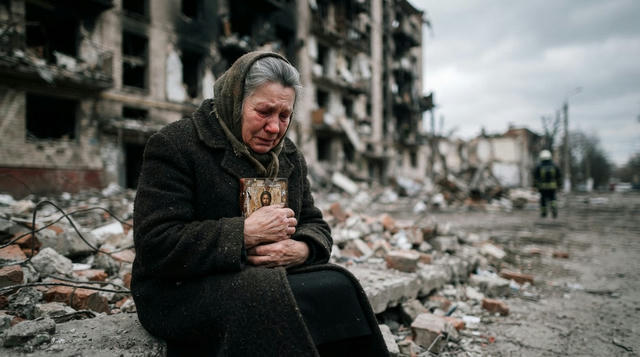
Europe Engulfed: Belgium Fights Record Wildfire as French Premier Faces Public Fury Amid Widespread Blazes
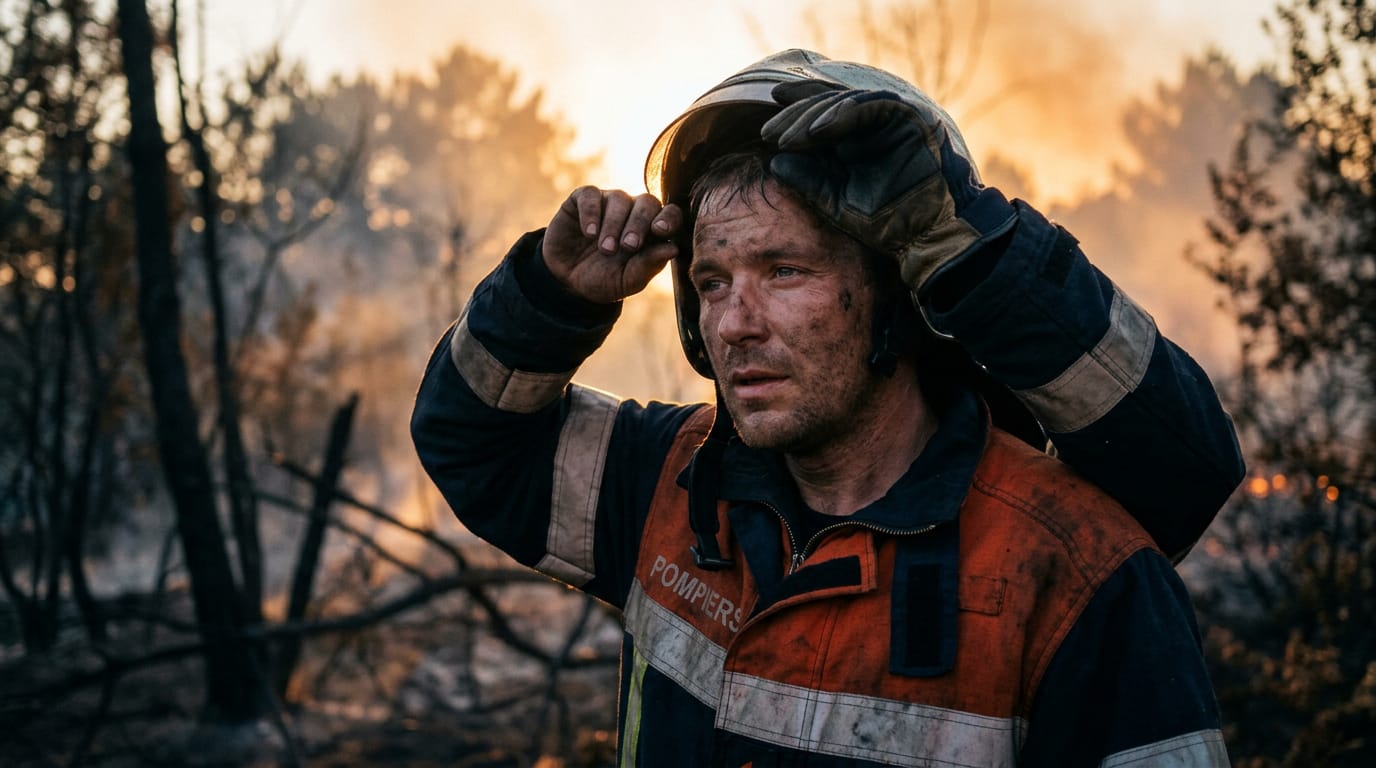
Europe is grappling with an unprecedented wildfire season, marked by a record-breaking inferno in Belgium's High Fens nature reserve and widespread devastation across France, where public anger boiled over with the jeering of Prime Minister Sébastien Lecornu. The continent-wide crisis, fueled by persistent heatwaves and drought, has led to massive evacuations, significant property damage, and a heightened focus on the long-term impacts of climate change.
As firefighters battle tirelessly against relentless flames, the human and environmental costs continue to mount, underscoring the urgent challenges facing European nations.
Belgium's Unprecedented Battle in the High Fens
Belgium has been locked in a fierce struggle against its largest wildfire on record, which erupted on August 14 in the ecologically sensitive High Fens nature reserve, situated in eastern Belgium near the German border. The blaze rapidly scorched approximately 3,000 hectares (7,414 acres) of heathland, peat bogs, and pine forests, an area half the size of Manhattan. This inferno surpasses the scale of any Belgian wildfire in over a century, specifically the 1911 blaze in the same region, and is the country's most extensive recorded fire.
The challenging terrain of the High Fens, characterized by boggy peatlands and dense vegetation, significantly complicated firefighting efforts. Heavy vehicles faced the risk of sinking, and shifting winds continually hampered attempts to contain the advancing fire. Temperatures in parts of Belgium had soared to about 37°C (98.6°F) in the days preceding the fire, creating tinder-dry conditions conducive to rapid spread.
A substantial emergency response was mounted, involving over 250 personnel, including more than 100 Belgian and German firefighters, police, military officers, and civil protection staff. International assistance played a critical role, with Sweden providing two water-bombing aircraft and the Netherlands and the Czech Republic deploying helicopters. Local farmers also joined the effort, utilizing tractors to transport water from nearby lakes.
The fire's advance led to the evacuation of approximately 600 residents from the municipalities of Waimes and Bütgenbach in Liège province, while tourists were advised to leave the area. German authorities in the border town of Monschau also urged residents to temporarily evacuate due to significant smoke pollution, though the flames were not expected to cross into Germany. By August 17, welcome rainfall brought some relief to the beleaguered firefighters, and officials confirmed that the blaze was no longer spreading toward Germany and was partly contained. However, evacuated residents had not yet been permitted to return home, highlighting the ongoing impact of the disaster.
France's Scorched Earth and a Prime Minister Jeered
While Belgium fought its unprecedented blaze, France endured a wildfire season described as the worst since 1949, with a staggering 115,000 hectares (280,000 acres) burned across the country. This figure represents 546% above the 20-year average for burned land. The severity of the fires was exacerbated by the 2026 European heatwaves, which saw the European Union record its hottest day since measurements began in 1947.
The southwestern Gironde department, near Bordeaux, was particularly devastated. One massive fire alone consumed an estimated 42,000 hectares (103,784 acres), making it the second-largest single wildfire in France since the Second World War. This inferno, which was brought under control on August 1, forced the evacuation of approximately 220,000 people and saw flames advance within 15 kilometers of the Bordeaux metropolitan area. In the town of Le Porge, 183 homes were destroyed.
The widespread destruction and perceived shortcomings in the government's response led to a public display of anger directed at French Prime Minister Sébastien Lecornu during his visit to the fire-ravaged town of Le Porge on Monday, August 17. Approximately 200 residents, many dressed in black, gathered in front of the town hall to jeer, whistle, and chant anti-government slogans as the Prime Minister's convoy approached.
The protestors expressed deep disappointment and frustration, with some stating that Lecornu's perceived unwillingness to engage directly with them made them feel "as if we don't matter." They accused authorities of prioritizing the protection of the more affluent Cap-Ferret peninsula over the homes of local residents. Demonstrators even placed an empty chair at the protest site to symbolize the Prime Minister's absence from direct communication with the victims.
Lecornu's office stated that he had spoken with affected residents and farmers, and he had reportedly made an unannounced visit to Le Porge on Sunday. During a press conference in Gironde, the Prime Minister rejected "conspiracy" theories regarding the firefighting strategy and pledged significant government assistance, including support for rehousing, fast-tracked planning permissions for reconstruction, aid with insurance payouts, and €12 million in immediate financial relief for the hardest-hit departments of Gironde and Landes.
A Continent Ablaze: The Broader European Crisis
The wildfires in Belgium and France are symptomatic of a broader, intensifying crisis gripping Europe. This summer has seen successive severe heatwaves and prolonged drought conditions, leaving vegetation across the continent exceptionally dry and susceptible to ignition. Scientists have linked these extreme conditions to human-caused climate change, noting an increased likelihood of the hot and dry weather that enables wildfires to spread faster and burn longer.
Beyond Belgium and France, other European nations have also been battling significant blazes. In Greece, two people tragically died on the island of Salamina, near Athens, as fires raged. Spain faced its own severe challenges, with a soldier losing his life while assisting with a large wildfire in Aragon, which destroyed 41,019 acres and threatened a 1,000-year-old monastery. Portugal also saw hundreds of firefighters deployed to combat blazes, with five firefighters sustaining injuries when their vehicle caught fire near the Spanish border.
The scale of the devastation across the continent is staggering, with data from the European Forest Fire Information System indicating that 576,000 hectares (2,225 square miles) have burned in Europe this year alone—an area twice the size of Luxembourg. The European Union has actively supported affected nations, deploying helicopters and water-bombing aircraft to assist in containment efforts.
Compounding the natural factors, authorities in France have also contended with a significant number of suspected arson cases. Nearly 500 people, including 183 minors, have been arrested since July on suspicion of starting wildfires, with approximately 70% believed to have acted deliberately.
The Enduring Cost and Future Challenges
The 2026 wildfire season has inflicted a heavy toll, both on the environment and on the lives of countless Europeans. Beyond the immediate destruction of homes and natural landscapes, the fires disrupt livelihoods, force mass displacement, and cause significant psychological distress for affected communities. The loss of vast tracts of forests and diverse ecosystems represents a severe blow to biodiversity and natural carbon sinks, further exacerbating climate change impacts.
As communities begin the arduous process of recovery and reconstruction, the focus shifts to long-term strategies for prevention and adaptation. The recurrent and intensifying nature of these wildfire events across Europe underscores the critical need for enhanced international cooperation, robust national preparedness, and sustained efforts to mitigate climate change. Governments and citizens alike face the daunting task of learning to live with, and ultimately reducing the threat of, increasingly frequent and destructive wildfire seasons in the years to come.