Europe Engulfed: Historic Wildfires Force Mass Evacuations in France and Spain as Continent Grapples with Escalating Climate Crisis
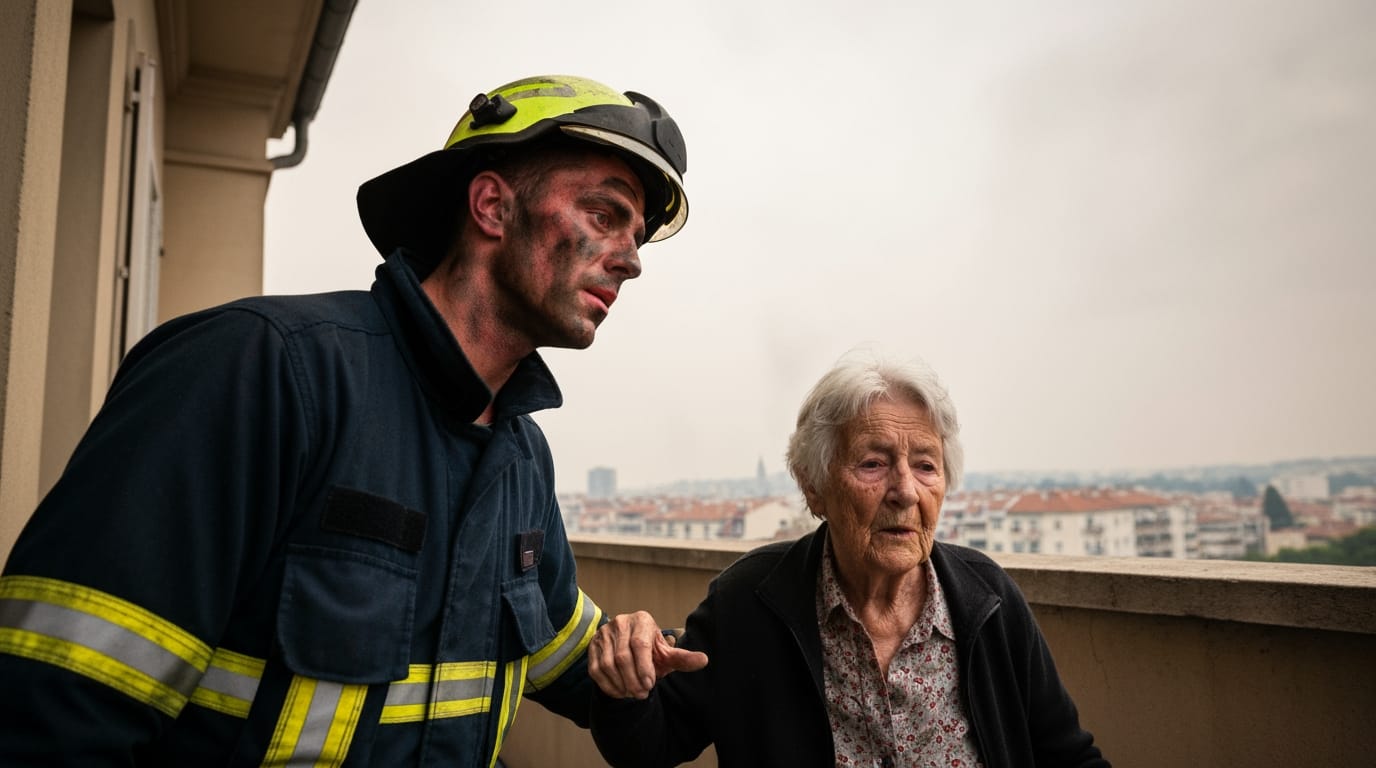
Europe finds itself in the grip of an unprecedented wildfire crisis, with France and Spain bearing the brunt of blazes that have forced hundreds of thousands from their homes and incinerated vast tracts of land. Fueled by persistent heatwaves and severe drought conditions, the fires have overwhelmed emergency services, turning parts of the continent into a searing testament to the escalating impacts of climate change. As firefighters battle relentlessly on multiple fronts, the sheer scale of the destruction marks this year as one of the most devastating wildfire seasons in recent memory for both nations.
A Continent Ablaze: The Unprecedented Scale of Destruction
The intensity and spread of the current wildfires across southwestern Europe have reached historic levels. In France, the southwestern Gironde region, near Bordeaux, has been particularly devastated, with one massive wildfire burning an area estimated to be four times the size of Paris, encompassing 420 square kilometers (162 square miles). Since the beginning of 2026, wildfires have scorched an estimated 115,000 hectares (284,000 acres) across the nation. This year has already surpassed France's 2022 record for burned land, solidifying its status as the worst wildfire crisis since World War II. More than 220,000 French residents have been forced to evacuate, including nearly 4,000 from Atlantic coast tourist sites in a move described as potentially France's largest peacetime evacuation.
Neighboring Spain faces an equally dire situation, battling what authorities have termed its largest recorded wildfire near the capital, Madrid. This particular blaze, which ignited on July 20, devoured more than 111,000 acres (45,000 hectares) and, as of July 28, had spread to consume over 500 square kilometers (193 square miles) in the hilly, rural terrain west of Madrid, an area five times the size of Barcelona. Nationwide, more than 150,000 hectares (370,658 acres) have burned since January 2026, with over half of that damage occurring in recent weeks. Spanish authorities declared a national emergency, prompting the evacuation of 10,000 people near Madrid and an estimated 100,000 residents across the country, with another 30,000 ordered to shelter in place. The fires have been exceptionally deadly, claiming at least 13 lives in Spain this year, making 2026 one of the country's deadliest fire seasons in decades. Fires in the Castellón province of Valencia have been described as uncontrollable, highlighting the extreme challenges faced by emergency crews.
The Climate Connection: Heatwaves, Drought, and a Lengthening Season
The relentless onslaught of these wildfires is inextricably linked to a summer of extreme weather conditions sweeping across Europe. A record-breaking June heatwave, with temperatures consistently above average, has persisted through July. Spain, in particular, is enduring its fourth heatwave of the summer, with temperatures frequently exceeding 40°C (104°F). These prolonged periods of extreme heat, coupled with severe drought, have transformed landscapes into tinderboxes. Dry vegetation does not just burn more easily, it combusts faster, spreads further, and becomes significantly harder to contain.
Scientists and meteorological agencies unanimously point to climate change as the primary driver behind the intensifying and more frequent wildfires. Europe, the fastest-warming continent, is experiencing warming at more than twice the global average. This warming trend extends wildfire seasons, making them longer and more destructive. Disturbingly, some of these large fires are now generating their own weather systems, further complicating firefighting efforts and making them even more unpredictable. While roughly 90% of wildfires are typically ignited by human activity, the current extreme climatic conditions amplify the risk, transforming small sparks into catastrophic infernos.
Human Toll and Environmental Fallout
Beyond the immediate devastation of burned land and homes, the wildfires carry a heavy human and environmental cost. More than 300,000 people have been displaced across France and Spain, uprooted from their communities and holiday destinations. For many, the destruction of homes and livelihoods represents a profound personal tragedy.
The health impacts extend far beyond the fire lines. Smoke from wildfires is a significant public health hazard, exacerbating heart and respiratory conditions. Vulnerable populations, including older individuals, children, pregnant women, and those with chronic diseases, are particularly susceptible. Particulate matter in wildfire smoke can contribute to lung diseases, liver diseases, eye infections, and even cognitive impairment and memory loss, severely impacting air quality across affected regions. The economic repercussions are also substantial, with widespread disruption and significant financial impacts anticipated in affected areas, particularly those reliant on tourism, agriculture, and small businesses. Spanish Prime Minister Pedro Sánchez underscored the gravity of the situation, stating, "The evidence is clear: the climate emergency kills."
Coordinated Response and Future Preparedness
In response to the escalating crisis, a concerted effort is underway at national and European levels. The European Union has mobilized its rescEU fleet, deploying seven planes and four helicopters to aid France, and an additional six planes and three forest firefighting teams to Spain. The EU's Emergency Response Coordination Centre maintains close contact with both French and Spanish authorities, and pre-positioned firefighters from 14 European countries have been strategically deployed to high-risk areas, demonstrating enhanced cross-border cooperation.
However, the unprecedented nature of these fires highlights the urgent need for a more robust and adaptive approach to wildfire management. The European Commission launched a new wildfire risk management strategy in March 2026, focusing on prevention, preparedness, response, and recovery. This includes expanding the rescEU fleet, with 22 firefighting airplanes and 5 helicopters on standby for the 2026 season, and plans for further additions by 2030. A new European firefighting hub is also being established in Cyprus to enhance regional capabilities. Despite these efforts, officials acknowledge that firefighting capacity is struggling to keep pace, and strong winds, high temperatures, and low humidity continue to hamper containment efforts. The EU's Crisis Management Commissioner, Hadja Lahbib, emphasized that merely acquiring more equipment is insufficient; countries must invest more in forest management practices and public education on fire prevention.
As the immediate battle against the blazes continues, particularly in France where fires are described as "stabilized, not fixed," authorities are bracing for another wave of extreme heat. The risk of severe wildfire danger is projected to persist through August and potentially into early November. The ongoing crisis serves as a stark warning and a call to action for Europe to adapt to a new climate reality, where larger, more intense, and longer-lasting wildfire seasons demand comprehensive and sustained responses.


