Europe Forms 'Coalition of the Willing' to Bolster Ukraine Amidst Shifting US Stance
LONDON — In a move to reinforce European support for Ukraine, British Prime Minister Keir Starmer has announced the formation of a "coalition of the willing." This initiative, unveiled following a summit of 18 world leaders in London on Sunday, aims to provide security guarantees to Kyiv and establish a framework for a lasting peace settlement, particularly in light of recent tensions between Ukrainian President Volodymyr Zelenskyy and U.S. President Donald Trump.
London Summit Forges New Path
The 2025 London Summit on Ukraine, hosted by Starmer, was convened to address what he described as a "once-in-a-generation moment" for European security. The summit sought to coordinate support for Ukraine amidst the ongoing conflict with Russia and growing uncertainty surrounding U.S. policy. Representatives from the United Kingdom, France, the Netherlands, Canada, Norway, Germany, Italy, Poland, Spain, Sweden, Finland, Denmark, Romania, and the Czech Republic attended, signaling a broad commitment to Ukraine's security. Turkey, the European Union, and NATO also had representatives present at the meeting.
Four-Point Plan for Ukraine
Following the summit, Starmer outlined a four-point plan designed to provide comprehensive support to Ukraine. While specific details of the plan remain under wraps, the core objective is to ensure the continued flow of aid to Ukraine and to create a viable path towards a peaceful resolution of the conflict. The "coalition of the willing" is intended to play a central role in achieving these goals, particularly in the context of a potential peace agreement.
Military Support and Peacekeeping Role
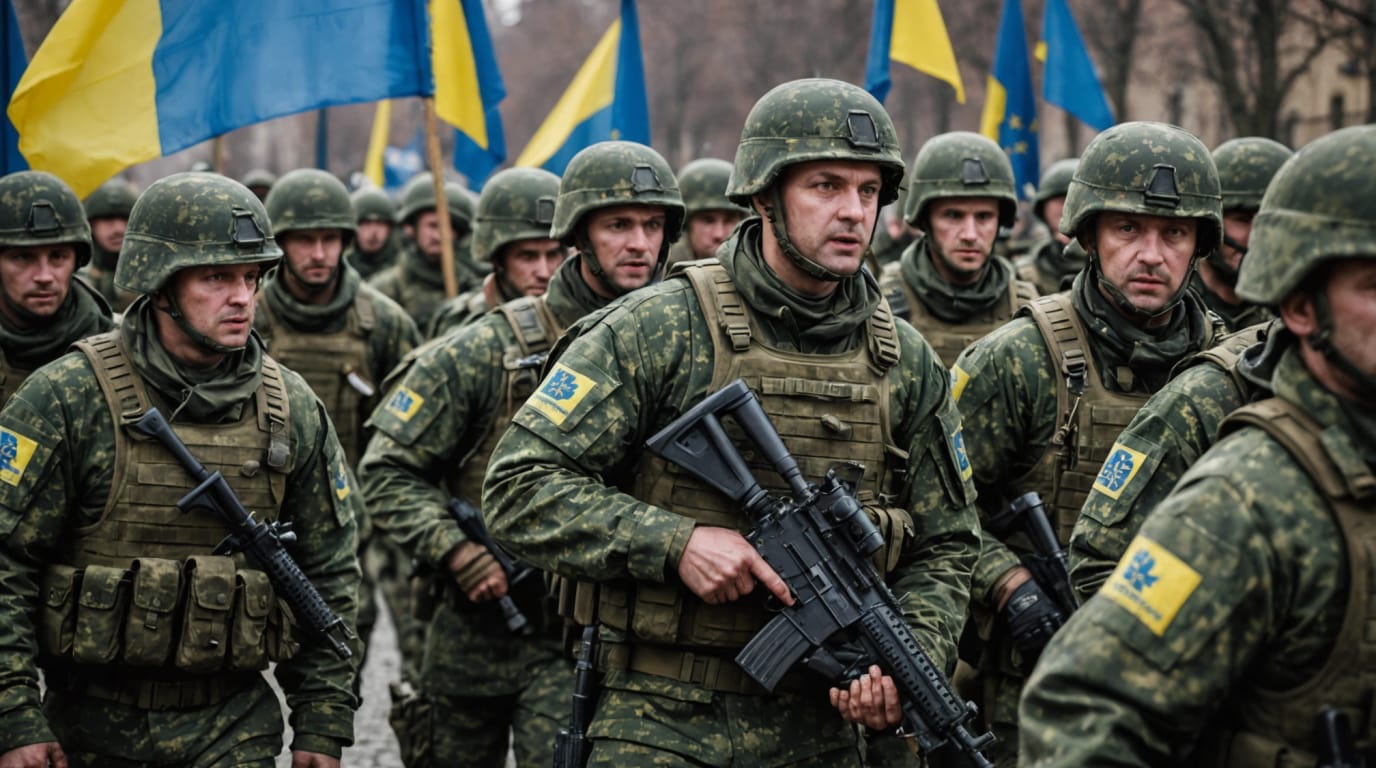
A key aspect of the coalition involves the potential deployment of troops on the ground in Ukraine to enforce any peace deal. The UK and France have reportedly floated the idea of a "coalition of the willing" to act as peacekeepers, deterring further aggression from Russia. Starmer has described the coalition as a group of countries "ready to support Ukraine with troops on the ground and planes in the air, working with others." However, the specific mandate for these troops, as well as the number required, remains unclear.
Questions and Challenges Ahead
The formation of the "coalition of the willing" raises several questions. Philippe Perchoc, Director of IRSEM Europe (the Strategic Research Institute at the Ecole Militaire), noted that the concept opens up a list of questions regarding the specifics of its implementation. It remains to be seen whether the coalition will take charge of implementing future security guarantees or whether member states will commit troops to Ukraine. The success of the initiative will also depend on securing the support of President Trump, who has expressed reservations about providing security guarantees to Ukraine.
Implications for European Security
The "coalition of the willing" represents a significant step towards greater European responsibility for the continent's security. With uncertainty surrounding the future of U.S. involvement in the region, European leaders are taking proactive measures to ensure the stability and security of Ukraine. The initiative underscores the growing recognition that Europe must take a leading role in addressing the challenges posed by the conflict in Ukraine and in shaping the future of European security.
Conclusion
The formation of Europe's "coalition of the willing" marks a pivotal moment in the ongoing crisis in Ukraine. As the conflict continues and the geopolitical landscape shifts, this initiative represents a concerted effort by European nations to provide meaningful support to Ukraine and to work towards a lasting peace. While challenges remain, the coalition offers a framework for coordinated action and a renewed commitment to European security in an uncertain world.


