Europe United in Remembrance: Confronting the Shadows of the Past on Holocaust Remembrance Day
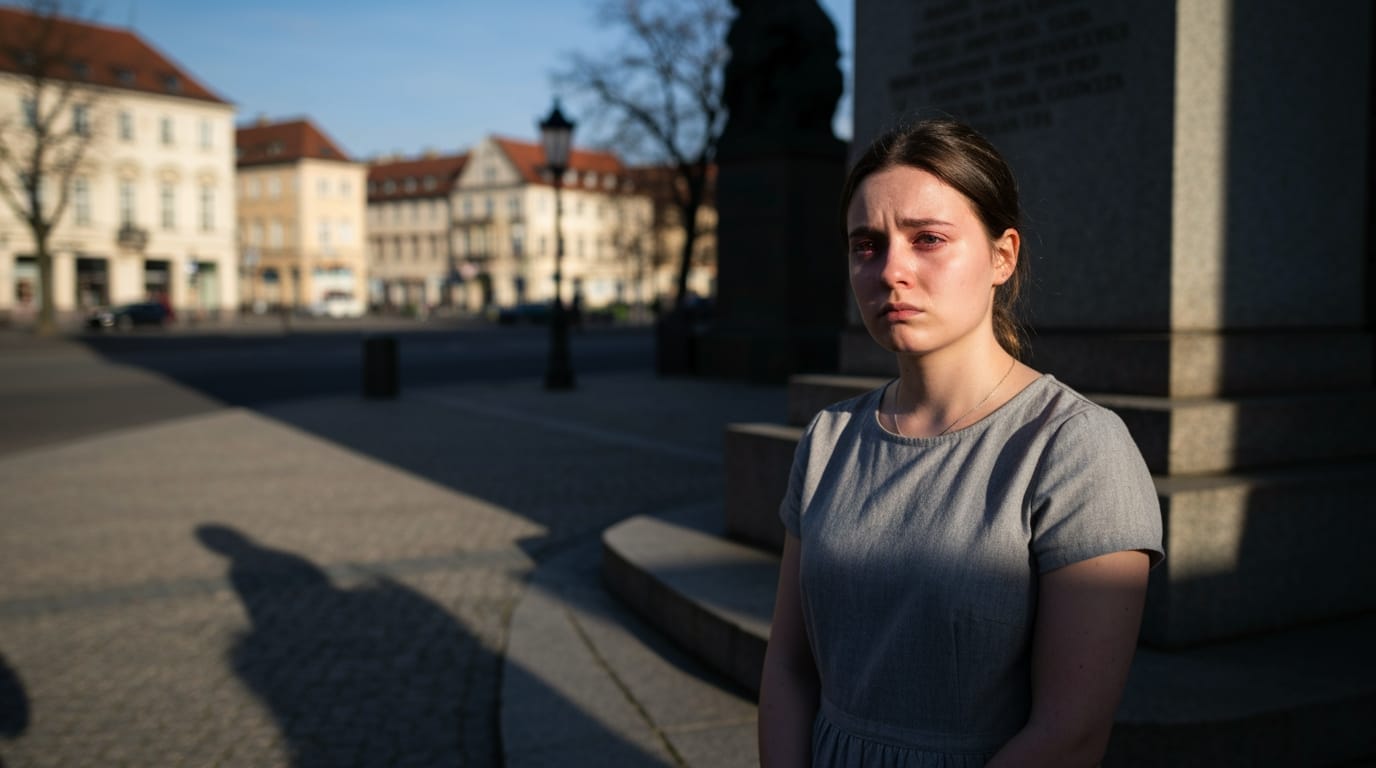
Across Europe, nations solemnly mark International Holocaust Remembrance Day on January 27, a poignant annual observance dedicated to the six million Jews and millions of other victims systematically murdered by the Nazi regime and its collaborators during the Holocaust. This day serves not only as a memorial to the past but also as a stark reminder of the enduring fight against antisemitism, hate, and the imperative of education in a world grappling with resurgent prejudices.
The choice of January 27 is deeply symbolic, commemorating the liberation of the Auschwitz-Birkenau concentration and extermination camp by the Soviet Red Army in 1945. It was at Auschwitz that approximately 1.1 million people perished, over 90% of whom were Jewish. The United Nations General Assembly officially designated January 27 as International Holocaust Remembrance Day in a 2005 resolution, urging all member nations to honor the victims and implement educational programs to prevent future genocides.
A Day of Solemn Commemoration and Unwavering Commitment
Each year, ceremonies, educational events, and political statements underscore the profound significance of Holocaust Remembrance Day across the continent. These commemorations honor the Jewish people, who constituted two-thirds of Europe's Jewish population before the Holocaust, as well as Roma, Poles, Soviet prisoners of war, homosexuals, people with disabilities, political opponents, and Jehovah's Witnesses, all targeted for extermination or persecution by the Nazi regime.
In Washington, D.C., and Jerusalem, significant commemorations take place at the United States Holocaust Memorial Museum and Yad Vashem, respectively. In Vienna, Austria, commemorations have been held at the Heldenplatz since 2012, bringing together Holocaust survivors, antifascist activists, and politicians. Many national Holocaust memorial days, such as the United Kingdom's, also fall on January 27, though some, like Israel's Yom HaShoah, are observed on different dates according to the Hebrew calendar. The observances serve as a powerful testament to the lives lost and the resilience of those who survived, often involving the reading of victims' names and the lighting of candles.
European institutions play a pivotal role in fostering this remembrance. The European Parliament has consistently marked this date since 2005, having called for a Holocaust Remembrance Day in all member states in 1995 and proposed January 27 as the EU's Day of Remembrance. These sessions frequently feature addresses from Holocaust survivors, whose firsthand accounts provide invaluable human testimony to the atrocities. The Council of Europe was a driving force behind the introduction of a Day of Holocaust Remembrance and Prevention of Crimes against Humanity, with education ministers from member states adopting the decision in 2002. The European Commission, through annual commemorations and dedicated initiatives, strives to maintain awareness, safeguard Holocaust sites, and bolster education and research efforts.
Confronting the Resurgence of Antisemitism and Denial
Despite concerted efforts to preserve the memory of the Holocaust, Europe faces an alarming resurgence of antisemitism and Holocaust denial. These disturbing trends challenge the very foundation of "Never Again." Threats and assaults against Jewish communities have risen sharply in recent years, manifesting not only in physical attacks but also through an increase in online hatred and the proliferation of dangerous conspiracy theories.
A 2021 survey spanning 16 European countries revealed that 20% of the population harbors strongly or moderately antisemitic views, with this figure exceeding 50% in six nations. Even more concerning, a UNESCO report published in cooperation with the European Commission on Holocaust Remembrance Day indicated that more than three-quarters of surveyed EU teachers have encountered antisemitic incidents in their classrooms. Alarmingly, 61% of these teachers reported encountering Holocaust denial and distortion among their students, with 1 in 10 experiencing it frequently. Furthermore, some Europeans do not perceive Holocaust denial or antisemitism as significant problems within their countries.
Holocaust denial, which makes the false claim that the genocide did not occur, or that its scale was exaggerated, is a negationist and antisemitic assertion that disregards overwhelming historical evidence. The European Union has taken legislative steps to address this, with a Framework Decision on Combating Racism and Xenophobia ensuring that public condoning, denying, or trivializing the Holocaust is punishable by effective and proportionate criminal sanctions. European leaders, including High Representative Josep Borrell, emphasize that education is the most effective tool to combat intolerance and bigotry, particularly as the number of Holocaust survivors diminishes.
The Imperative of Education for Future Generations
The passage of time means that the number of living Holocaust survivors is dwindling, making the task of preserving their testimonies and ensuring the lessons of the past are not forgotten more urgent than ever. Many leaders describe the current generation as potentially the "last to have the privilege of knowing Holocaust survivors" and hearing their stories firsthand.
Educational initiatives are therefore at the forefront of remembrance efforts. The UN resolution establishing International Holocaust Remembrance Day explicitly encourages the development of programs to educate future generations about the historical reality of the Holocaust and to prevent future genocidal acts. The Council of Europe provides teachers with educational materials to raise awareness of the Holocaust and explore topics of genocide and human rights, promoting prevention, understanding, and tolerance. The European Commission supports numerous EU-funded projects on remembrance, aiming to help young people learn from history and promote European values.
UNESCO actively contributes to these efforts by providing handbooks for educators, conducting studies on the representation of antisemitism in school textbooks, and offering online courses designed to assist educators in teaching difficult and violent historical periods with accuracy and sensitivity. Programs like "Living History" bring second and third-generation Holocaust survivors and individuals connected to the Holocaust into schools to share their family's experiences, bridging the gap between history and contemporary understanding. Initiatives such as the "Network of Places Where the Holocaust Happened" and the "Roma Holocaust Remembrance and Education (RomaMemory)" program aim to utilize memorial sites for educational purposes and ensure the recognition of all victim groups.
A Collective Responsibility for "Never Again"
Holocaust Remembrance Day is more than a historical observance; it is a vital call to action for the present and the future. European leaders consistently reiterate the collective responsibility to remember the atrocities, uphold the truth, and draw lessons from the past to build a Europe free from antisemitism and all forms of hatred.
The commitment extends to actively combating Holocaust denial and distortion, ensuring that the message of "Never Again" resonates across generations. Through sustained education, the safeguarding of memorial sites, and resolute political action against discrimination, Europe strives to honor the victims of the Holocaust and foster a society where human rights and dignity are paramount for all.


