European Defense Spending Soars Ahead of Critical Ankara Summit, Signaling New Era for NATO
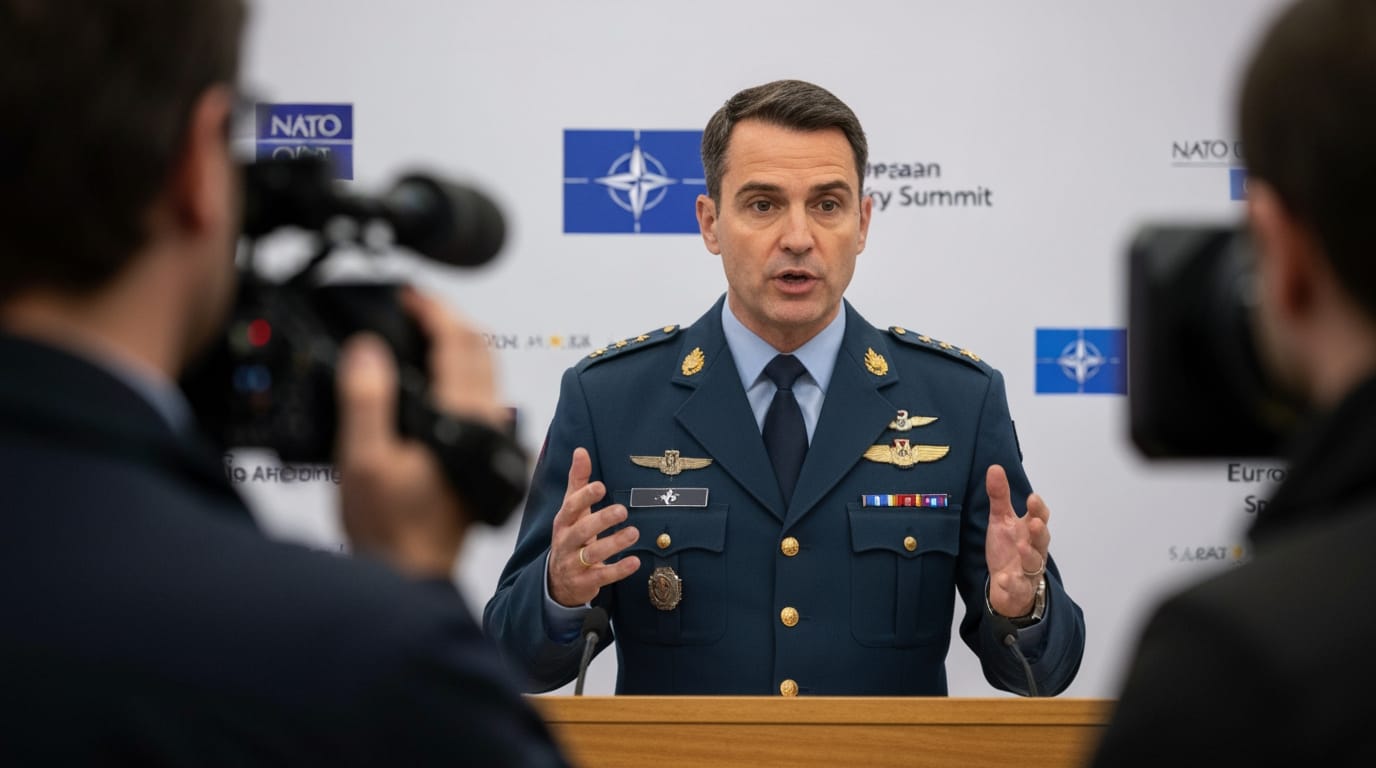
Ankara, Türkiye – NATO Secretary General Mark Rutte has heralded a historic surge in European defense spending, announcing a pivotal rebalancing of security responsibilities across the transatlantic alliance. European Allies and Canada collectively boosted their defense expenditure by a striking 20% in 2025 compared to the previous year, with all member states now meeting the long-standing 2% of Gross Domestic Product (GDP) target for the first time. This unprecedented financial commitment, totaling over $574 billion in 2025 (adjusted to 2021 prices), sets the stage for the highly anticipated NATO Summit in Ankara, Türkiye, scheduled for July 7-8, 2026, where leaders are poised to solidify plans for an even more ambitious 5% defense investment goal by 2035. The robust increase underscores a profound shift towards a "stronger Europe in a stronger NATO," as the alliance adapts to a volatile global security landscape.
The Resurgence of European Defense Investment
The statistics revealed by Secretary General Rutte paint a clear picture of renewed commitment. For the first time ever, all NATO Allies met or exceeded the 2% of GDP defense spending benchmark in 2025, a significant achievement given that only three countries reached this threshold a decade ago in 2014. European Allies and Canada increased their combined defense expenditure by nearly 20% in real terms in 2025 compared to 2024. This substantial rise reflects a collective understanding among member states of the urgent need for enhanced military capabilities. Over the past decade, European Allies and Canada have more than doubled their annual defense expenditure, marking a real-term increase of 106%, with this upward trend projected to continue into 2026. This infusion of funds, amounting to an estimated $139 billion increase in nominal terms compared to 2024, is being rapidly channeled into military readiness.
Secretary General Rutte emphasized that these investments are quickly being converted into tangible, combat-ready capabilities, actively reenergizing the transatlantic defense industrial base. He noted that the magnitude of new spending is nearing the maximum that can be effectively absorbed in such a short timeframe, highlighting the immense scale of this financial mobilization. This dramatic pivot signals a collective determination to bolster deterrence and defense across the alliance, ensuring the security of member nations and projecting strength on the global stage.
Charting a New Course: The 5% Defense Pledge
Building on the momentum of increased spending, NATO leaders at the 2025 Summit in The Hague agreed to an ambitious new target: a commitment to invest 5% of GDP annually on defense and defense-related activities by 2035. This comprehensive pledge expands beyond traditional military budgets, stipulating that 3.5% of GDP will be allocated to core defense requirements to meet NATO Capability Targets, while an additional 1.5% will be directed towards broader security measures. These broader investments encompass crucial areas such as cyber defense, critical infrastructure protection, civil preparedness, resilience-building, and fostering innovation within the defense industrial base.
Secretary General Rutte reported that European allies and Canada are already making significant headway, collectively investing around 4% of their GDPs in defense and security, just one year into this ambitious 10-year project. Several nations, particularly those on NATO's eastern flank, are leading the charge. Poland, Lithuania, and Latvia, for instance, had already surpassed the new 3.5% core defense objective in 2025. Portugal also met the previous 2% target, reaching 2.01% of its GDP in 2025. The United Kingdom has also outlined plans to increase its defense spending to 3% of GDP in the next parliamentary term, aiming for 4.2% under the wider 5% security commitment. This aggressive timeline reflects a shared urgency within the alliance to enhance collective capabilities and preparedness.
Geopolitical Pressures and the Push for Burden-Sharing
The catalyst for this accelerated defense investment is inextricably linked to the evolving geopolitical landscape, most notably Russia's ongoing war in Ukraine. The protracted conflict has underscored the necessity for European nations to assume greater responsibility for their own security, reducing a long-standing reliance on the United States. This call for increased burden-sharing has been a consistent theme, particularly from the U.S., with former President Donald Trump being a vocal proponent of higher European contributions.
The shift represents a new chapter for the alliance, often referred to as "NATO 3.0," where a stronger Europe plays a more prominent role in its conventional defense. Secretary General Rutte noted that for too long, European Allies and Canada were "over-reliant on US military might," but a "real shift in mindset" has occurred. This newfound resolve is not aimed at diminishing the transatlantic bond but rather at strengthening it by fostering greater European capacity and self-reliance. The increased investment is not merely about accumulating hardware but also about building a more resilient and capable European defense industrial base, which in turn benefits the broader transatlantic economy through significant defense contracts and job creation. Estimates suggest that European defense orders are already sustaining 195,000 American jobs, with an additional $300 billion in orders reportedly in the pipeline for U.S. arms manufacturers.
The Ankara Summit: Demands, Decisions, and Future Direction
The upcoming NATO Summit in Ankara, Türkiye, will serve as a critical platform to solidify these commitments and chart the alliance's future trajectory. Host nation Türkiye, hosting its first NATO summit in 22 years, expects the meeting to underscore its military contributions and growing role within the alliance. Secretary General Rutte has made it clear that a key focus of the Ankara summit will be to demand "clear, concrete and credible plans" from all member states outlining their strategies to meet the ambitious 5% defense spending target. He cautioned that for any allies still lagging, "we have ways to do that," though he did not elaborate on specific measures.
Beyond financial pledges, the summit agenda will delve into crucial discussions regarding ongoing support for Ukraine, expanding defense production capacities, and defining the future balance of responsibilities between the United States and its European allies. With Washington potentially scaling down its financial contributions, Europe is increasingly expected to shoulder the burden of sustaining Ukraine's military capabilities, making the cohesion and commitment demonstrated in Ankara all the more vital. The NATO Summit Defence Industry Forum, a key side event, will bring together officials and industry leaders to discuss how to translate increased investment into enhanced industrial capacity and cooperation. This focus reflects a recognition that financial commitment must be coupled with robust production and innovation to meet contemporary security challenges.
A Stronger Alliance for a More Secure Future
The dramatic increase in European defense spending, culminating in all allies meeting the 2% GDP target, represents a significant turning point for NATO. This collective commitment, driven by a recognition of a more contested global security order and a renewed determination for burden-sharing, sets the stage for a more robust and resilient transatlantic alliance. The Ankara Summit is poised to be a landmark event, where leaders will not only celebrate past achievements but also underscore the imperative of continuous investment and strategic alignment to meet the ambitious 5% defense target by 2035. While challenges remain, including ensuring equitable contributions and translating financial pledges into concrete capabilities, the current trajectory signals a profound and enduring shift toward a stronger, more capable, and more balanced NATO, ready to confront the complexities of the 21st century. This new era positions Europe as a more self-reliant and formidable security actor within the alliance, fostering greater stability and deterrence across the Euro-Atlantic region and beyond.


