European Officials Meet on Hybrid Threats After Poland Satellite Station Arson
The gathering follows sabotage against critical communications aiding Ukrainian troops and growing European friction over a United States deal allowing Russian diesel exports.
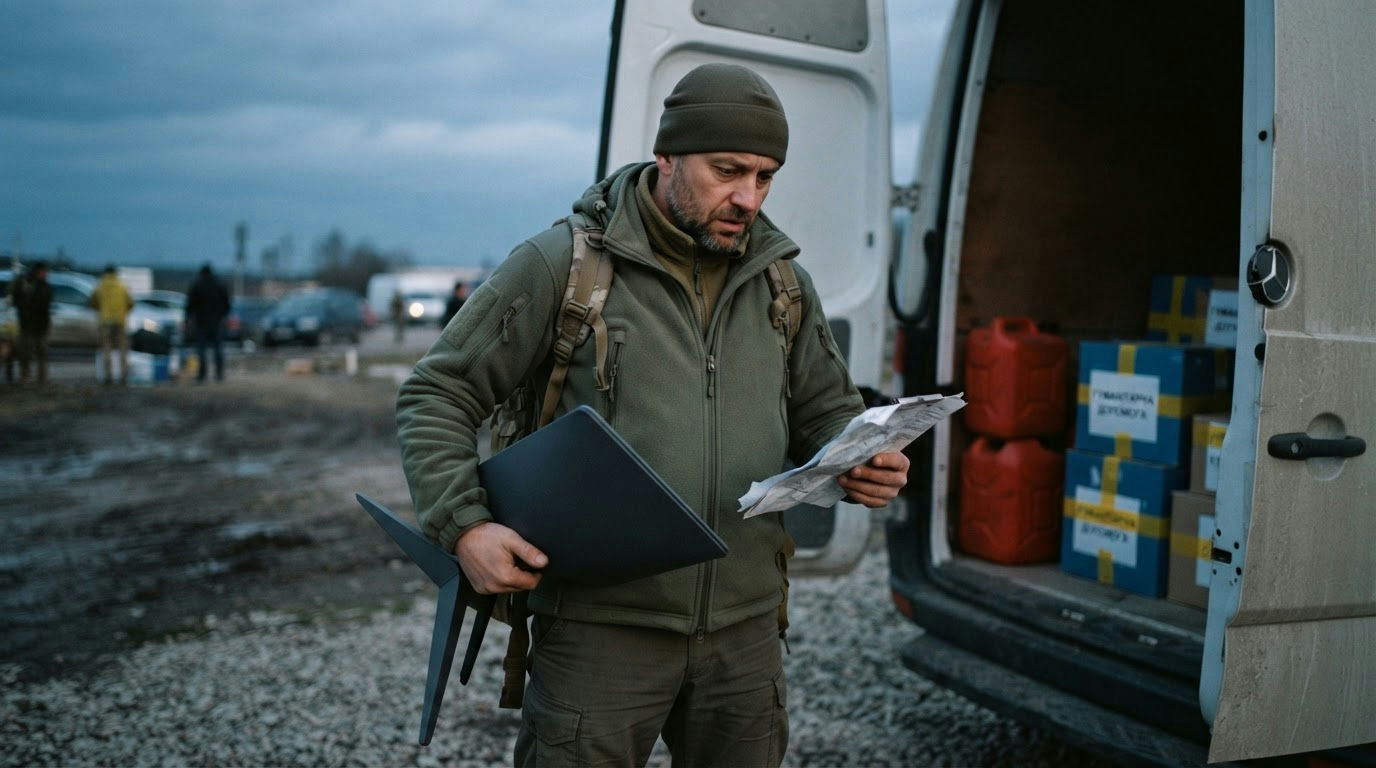
Top European foreign ministers and security officials gathered in Warsaw on Oct. 12 and 13, 2026, for the Warsaw Security Forum. The meeting addressed escalating Russian hybrid warfare and tensions over United States policy toward Russia and Ukraine.
The talks followed an arson attack against a Starlink ground station in Wola Krobowska, Poland. The conference also followed an announcement by U.S. President Donald Trump allowing Russia to supply millions of tons of diesel to global markets.
German authorities detained four suspects in Germany in connection with the fire. The detainees included two Turkish men, a woman arrested in Berlin suspected of aiding logistics, and a fourth male suspect.
Polish Prime Minister Donald Tusk said German police arrested two Turkish nationals suspected of carrying out the arson on behalf of Polish services. Tusk described the act as state-sponsored hybrid aggression. Polish Minister-Coordinator of Special Services Tomasz Siemoniak said Russian intelligence orchestrated the operation by recruiting intermediaries through criminal networks.
Polish Digital Affairs Minister Krzysztof Gawkowski said the fire damaged an electrical distribution panel, antennas, and an emergency generator. State telecommunications firm Exatel operates the base station, located roughly 40 kilometers south of Warsaw. Gawkowski said the attack was intended to cut services to the Ukrainian military, though Exatel maintained basic transmission.
The Wola Krobowska facility routes internet across Central and Eastern Europe and supports Ukrainian military communications. Poland finances about half of the 42,000 Starlink terminals operating in Ukraine at an annual cost of roughly $50 million. Tracking data shows the incident is one of more than 210 suspected Russian sabotage operations across Europe since 2022.
The arson followed a March 2024 fire at a London warehouse storing Starlink units for Ukraine. British courts convicted three men in that case after prosecutors linked the plot to Russian intelligence.
At the forum, UK Foreign Secretary Ed Miliband said Trump’s diesel deal caused difficult diplomatic days and harmed European security. European leaders warned the arrangement could weaken international sanctions and transatlantic unity. Finnish Prime Minister Petteri Orpo described the agreement as a major disappointment that contradicted coalition efforts.
European Union Economy Commissioner Valdis Dombrovskis said the authorized sales were unlikely to alter international fuel prices significantly. German Foreign Minister Johann Wadephul said Europe was directly in Russia's crosshairs and said Moscow was not ready for ceasefire negotiations. Miliband and Polish Foreign Minister Radoslaw Sikorski called for an energy ceasefire to protect Ukrainian infrastructure.
Extradition proceedings are now underway in Germany to transfer the suspects to Poland for trial on sabotage and espionage charges. German and Polish counterintelligence agencies continue to investigate the broader network. European governments are also evaluating coordinated defense measures to protect satellite and energy infrastructure before winter.