European Powers Back Arab-Led $53 Billion Gaza Reconstruction Plan
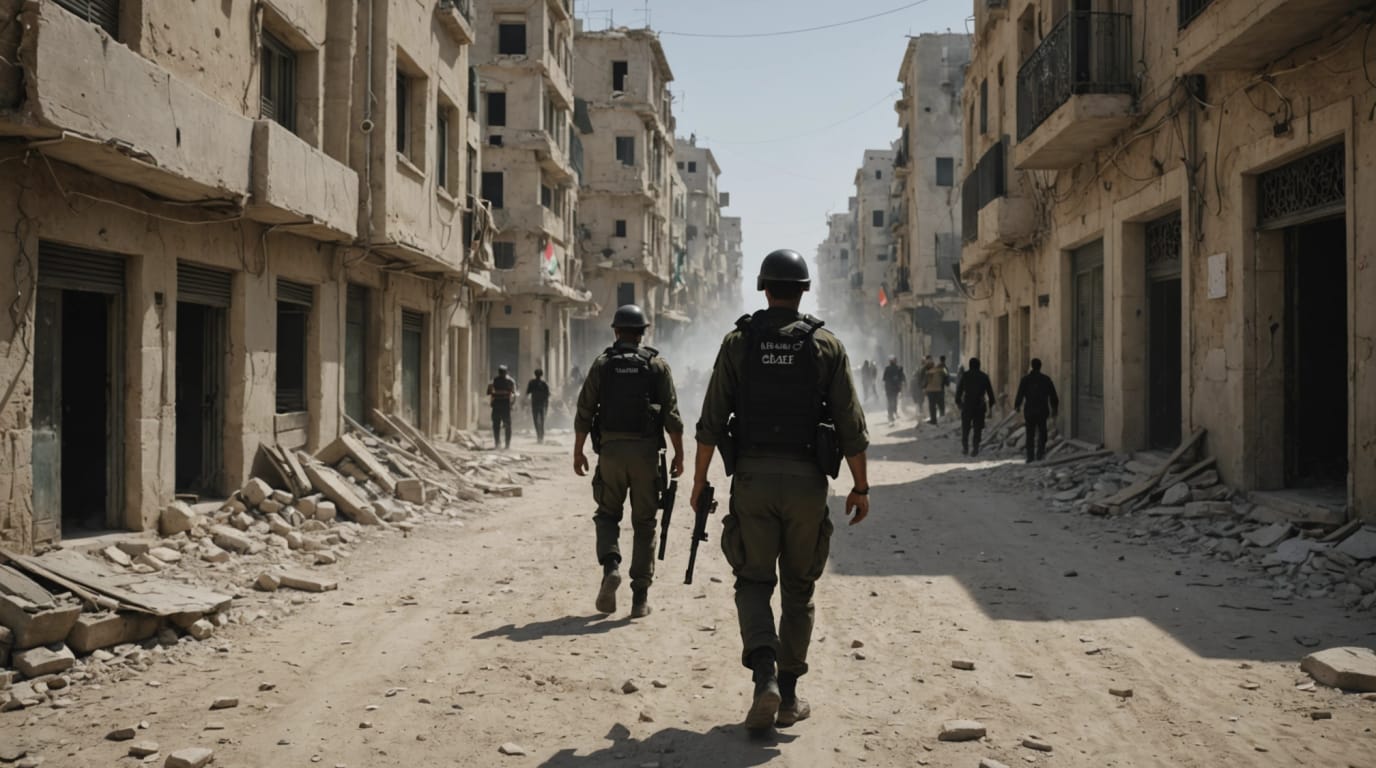
France, Germany, Italy, and the United Kingdom have voiced their support for an Arab-backed initiative aimed at rebuilding Gaza, a region devastated by recent conflict. The plan, estimated to cost $53 billion, prioritizes keeping Palestinians within the territory during reconstruction, a key divergence from alternative proposals.
The joint statement from the European foreign ministers signals a unified front in addressing the ongoing crisis in Gaza. The ministers emphasized that the Arab plan offers a "realistic path" toward reconstruction and promises a "swift and sustainable improvement" to the dire living conditions faced by Palestinians in the region. This endorsement comes as international pressure mounts to find a viable solution for Gaza's future.
Key Components of the Arab-Backed Plan
The reconstruction plan, spearheaded by Egypt and endorsed by the Arab League, outlines several key components:
- Independent Administration: An independent committee of technocrats would administer Gaza for an initial six-month period before transferring control to the Palestinian Authority.
- In-Situ Reconstruction: Palestinians would remain in Gaza throughout the rebuilding process, directly countering proposals that would displace the population.
- International Peacekeeping: The plan calls for the deployment of international peacekeeping troops in Gaza, authorized through a United Nations Security Council resolution.
- Security Training: Egypt and Jordan would train Palestinian Authority police officers to maintain law and order in Gaza.
- Focus on Long-Term Political Solution: The proposal acknowledges that addressing armed groups in Gaza requires a broader political process leading to the establishment of a Palestinian state.
Divergence from Other Proposals
The Arab-backed plan stands in contrast to proposals, particularly one suggested by former U.S. President Donald Trump, which involved relocating Palestinians to other countries and transforming Gaza. The Arab initiative explicitly rejects displacement and aims to rebuild Gaza with its current population intact.
The plan also differs in its approach to security. While it calls for international peacekeeping forces and training of Palestinian police, it does not directly address the issue of Hamas, instead linking it to a future political settlement. This aspect has drawn scrutiny, as some critics argue that a comprehensive solution must involve addressing the presence and influence of armed groups within Gaza.
International Reactions and Challenges
While the plan has garnered support from key European nations and the broader Arab world, it faces significant hurdles. The United States and Israel have reportedly rejected the proposal, although there have been conflicting signals from Washington.
Sultan Barakat, a professor of public policy at Hamad bin Khalifa University in Qatar, noted that the plan's call for an eventual two-state solution is a major point of contention for Israel. He stated that some Israeli factions prefer the removal of Palestinians from Gaza, making the Arab plan's emphasis on Palestinian statehood unacceptable to them.
Humanitarian Crisis in Gaza
The backdrop to these political maneuvers is the severe humanitarian crisis in Gaza. Recent reports indicate that over 48,440 Palestinians have died in the conflict, with more than 111,845 wounded. The Government Media Office in Gaza estimates the death toll to be even higher, with thousands more missing and presumed dead under the rubble.
The ongoing blockade of Gaza has further exacerbated the situation, limiting access to essential resources such as food, medicine, and shelter. The United Nations and other international organizations have repeatedly called for an end to the blockade and increased humanitarian aid to the region.
Implications for the Future
The Arab-backed reconstruction plan represents a significant effort to address the multifaceted challenges facing Gaza. Its emphasis on Palestinian self-determination and regional cooperation offers a potential pathway toward stability and long-term development.
However, the plan's success hinges on overcoming several obstacles, including securing broader international support, addressing security concerns, and fostering a conducive political environment for negotiations between all parties involved. The coming months will be crucial in determining whether this initiative can translate into tangible improvements for the people of Gaza and contribute to a lasting resolution of the Israeli-Palestinian conflict.


