European Powers Demand Unhindered Aid Access to Gaza
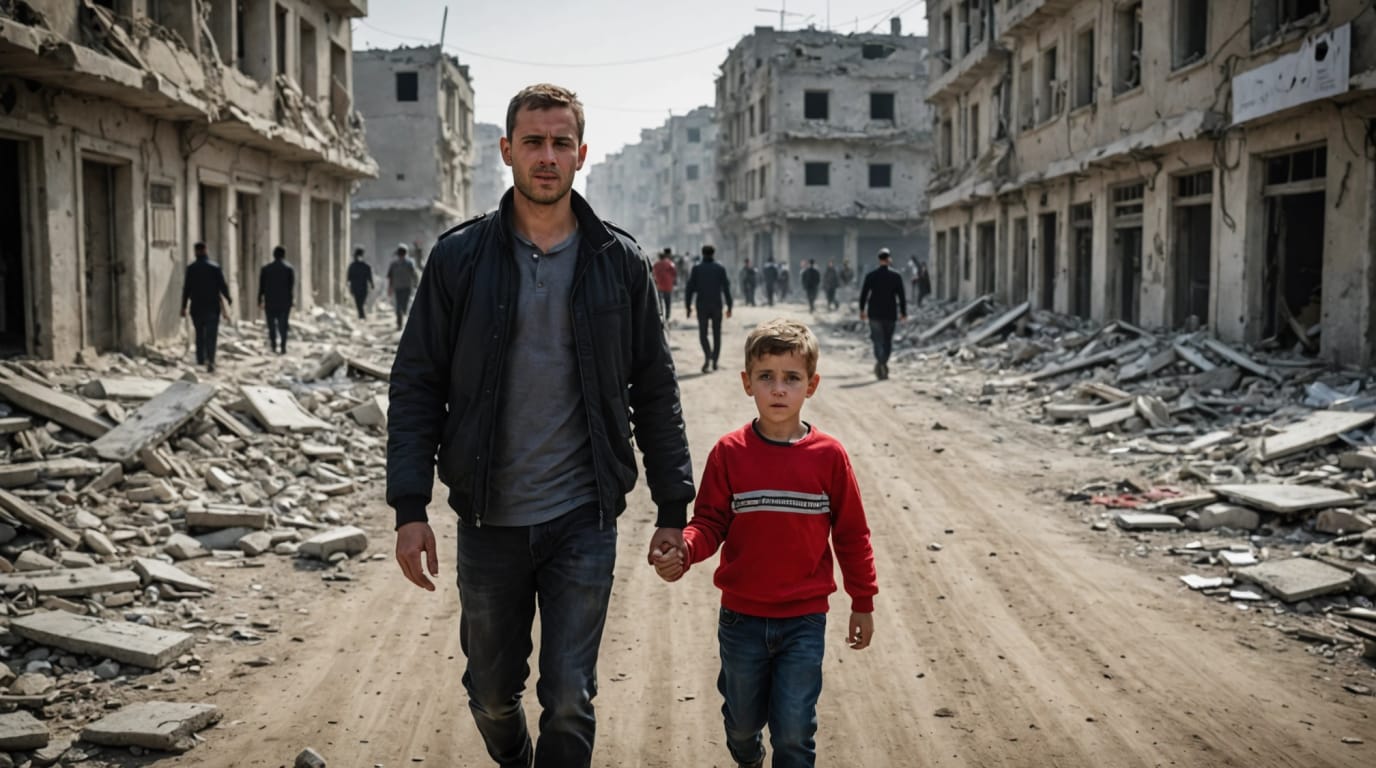
Paris — France, the United Kingdom, and Germany have jointly called on Israel to ensure the "unhindered" delivery of humanitarian aid to the war-ravaged Gaza Strip. The three European nations warned against the use of aid as a "political tool," emphasizing the urgent need for humanitarian assistance to reach the Palestinian population.
The joint statement, released Wednesday, underscores the growing international concern over the dire humanitarian situation in Gaza, particularly after Israel's recent decision to block aid deliveries. This move by Israel followed a fragile ceasefire that had been in place since January 19, during which an influx of humanitarian aid had entered Gaza. Israel stated it would halt deliveries until Hamas accepted its terms for extending the truce.
Concerns Over International Law
The European powers emphasized that impeding the flow of essential goods and supplies into Gaza could constitute a violation of international humanitarian law. They specifically referenced Israel's "dual use" list, which restricts the entry of items like medical equipment, shelter materials, and water and sanitation equipment, all deemed essential for addressing the humanitarian crisis and facilitating early recovery efforts.
"A halt on goods and supplies entering Gaza, such as that announced by the Government of Israel would risk violating International Humanitarian Law," the joint statement read. The nations insisted that humanitarian aid should never be contingent on political considerations or used as leverage in negotiations.
Catastrophic Humanitarian Situation
The foreign ministers of France, Germany, and the United Kingdom described the humanitarian situation in Gaza as "catastrophic." The recent conflict has exacerbated existing challenges, leaving a large portion of the population in desperate need of food, water, medical care, and shelter.
The ministers expressed deep concern over Israel's announcement on March 2 to halt all entry of goods and supplies into Gaza. They urged the Israeli government to uphold its international obligations and ensure the full, rapid, safe, and unhindered provision of humanitarian assistance to the population in Gaza.
Calls for Sustained Ceasefire and Hostage Release
The joint statement also addressed the importance of maintaining the ceasefire between Israel and Hamas. The initial phase of the ceasefire, which included exchanges of Israeli hostages for Palestinian prisoners, concluded over the weekend after six weeks. While Israel has expressed interest in extending the first phase until mid-April, Hamas has insisted on moving to the deal's second phase, which aims for a permanent end to the war.
The European powers emphasized the need for all parties to engage constructively in negotiations to ensure the full implementation of the deal and a lasting cessation of hostilities. They also reiterated their call for the unconditional release of all hostages held by Hamas. Of the 251 hostages taken on October 7, 2023, 58 remain in Gaza, including 34 who the Israeli military has confirmed are dead.
Mediation Efforts Welcomed
The foreign ministers acknowledged and welcomed the ongoing mediation efforts by Egypt, Qatar, and the United States to secure an extension of the ceasefire. These efforts are seen as crucial for preventing a resurgence of violence and ensuring the continued flow of humanitarian aid into Gaza.
The three nations reiterated that the civilians of Gaza, who have endured immense suffering, must be allowed to return to their homes and rebuild their lives. They stressed the importance of providing the necessary support and resources to facilitate this process.
Implications and Future Outlook
The joint statement by France, the United Kingdom, and Germany represents a significant diplomatic effort to address the humanitarian crisis in Gaza and prevent further escalation of the conflict. The pressure from these European powers on Israel to allow unhindered aid access could potentially influence Israel's policies and contribute to easing the suffering of the Palestinian population.
However, the situation remains highly volatile, and the future of the ceasefire and the delivery of humanitarian aid depend on the willingness of both Israel and Hamas to engage in constructive negotiations and adhere to their international obligations. The international community continues to monitor the situation closely and work towards a sustainable solution that addresses the underlying causes of the conflict and ensures the well-being of all civilians in the region.


