European Union Imposes New Levy on Small Packages, Reshaping E-commerce Landscape
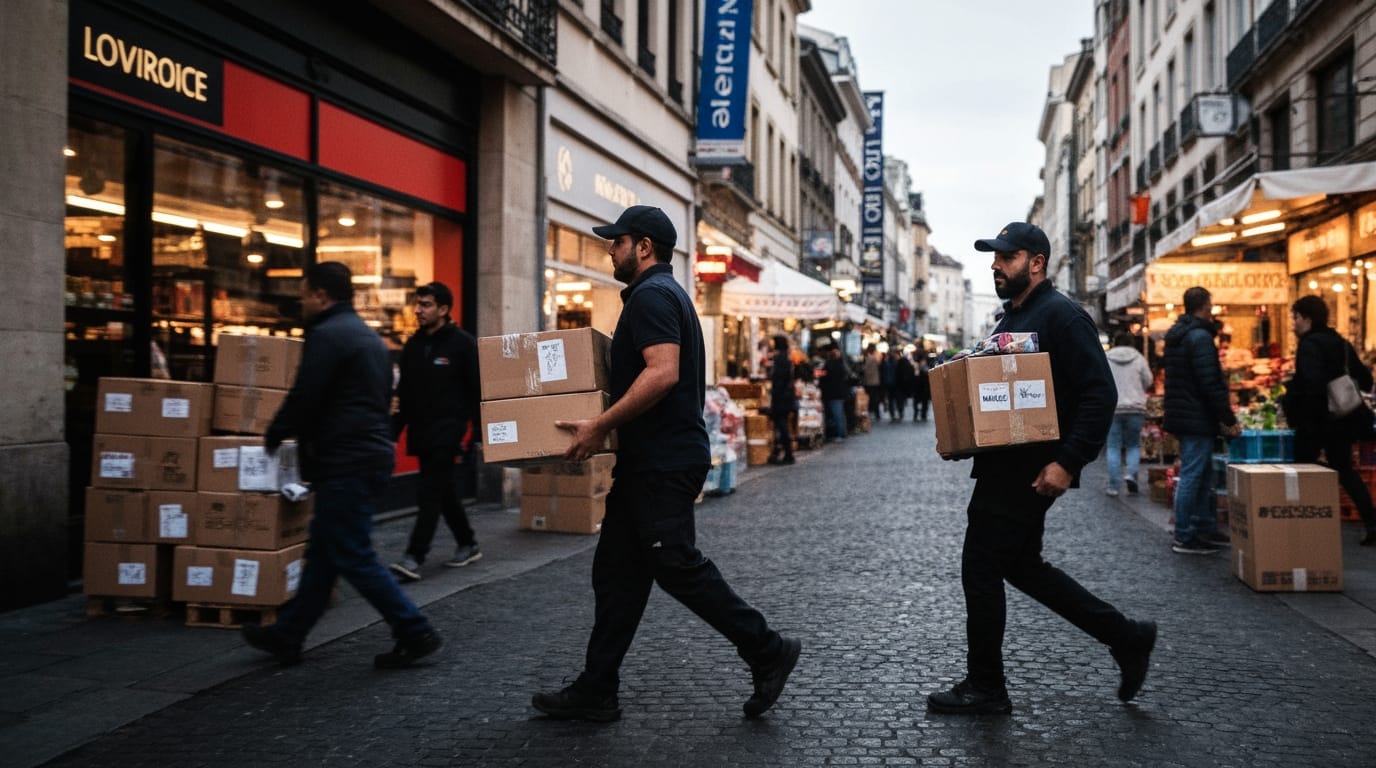
Brussels, Belgium – The European Union is poised to enact a significant shift in its e-commerce import regulations, introducing a new €3 customs duty on small packages arriving from outside the bloc, effective July 1, 2026. This move, part of a broader customs reform, targets the booming influx of low-value goods primarily from non-EU online retailers and marketplaces, notably Chinese giants like Temu and Shein, aiming to level the playing field for European businesses, combat fraud, and address growing concerns over product safety and environmental impact.
For years, parcels valued at €150 or less could enter the EU without customs duties under what was known as the "de minimis" rule. This exemption, originally intended to streamline customs operations, has increasingly been identified by EU officials as a loophole exploited by e-commerce platforms, facilitating a surge of low-cost imports that often bypass standard regulations and duties. The upcoming levy signifies the initial phase of a comprehensive strategy to modernize the EU's customs framework and ensure fair competition in the rapidly evolving digital retail space.
The End of Duty-Free Imports: A New Customs Landscape
The centerpiece of the EU's immediate response is a temporary €3 customs duty to be applied to each item, categorized by its tariff heading, within consignments valued under €150. This flat fee will apply to goods sold by non-EU sellers registered in the EU's Import One-Stop Shop (IOSS) for value-added tax purposes, encompassing an estimated 93% of all e-commerce flows into the Union. This measure will eliminate the customs duty exemption that previously applied to these low-value parcels, marking a decisive break from the long-standing "de minimis" rule.
The introduction of this levy is a precursor to a more permanent and extensive customs reform slated for 2028, at which point the €3 duty will be replaced, and all goods entering the EU, regardless of value, will become subject to the regular tariff for each product. Additionally, discussions are underway for a potential "handling fee" on e-commerce parcels, which member states may seek to introduce from November 2026, further increasing the cost of inbound shipments. EU officials emphasize that these changes are not meant to impede trade but rather to level the playing field for European retailers and enhance oversight of goods entering the market.
The Rise of Ultra-Fast Fashion and E-commerce Giants
The push for new levies comes as a direct response to the exponential growth of cross-border e-commerce, particularly from platforms leveraging a direct-to-consumer shipping model. Companies like Temu, Shein, and AliExpress have experienced massive expansion by dispatching products straight from factories, predominantly in China, to consumers in Europe and other Western markets. In 2024 alone, an astounding 4.6 billion low-value consignments entered the EU, equating to roughly 12 million parcels daily. This volume represents a doubling compared to 2023 and a tripling over 2022 figures, with China accounting for approximately 91% of these shipments.
These platforms have capitalized on offering ultra-low prices, attracting a vast consumer base, and have significantly impacted global air cargo markets due to their reliance on rapid, direct shipments. While successful in capturing market share, their business model has raised concerns among European regulators regarding compliance with EU product safety, environmental, and consumer protection standards. The sheer volume of these packages has also placed immense administrative burdens on customs authorities, leading to concerns about the inadequate scrutiny of incoming goods.
Implications for Consumers, Businesses, and the Environment
The new €3 levy is anticipated to have multifaceted implications across the e-commerce ecosystem. For consumers, the most immediate effect could be an increase in the final price of low-cost goods purchased from non-EU online platforms. While individual items are often inexpensive, the additional fee could make some purchases less attractive or necessitate a recalculation of value for money. The potential for slower processing times at customs due to increased data declaration requirements is also a consideration.
For European businesses, especially small and medium-sized enterprises (SMEs) struggling to compete with the aggressively priced imports, the levy is intended to create a more equitable trading environment. Domestic retailers, who adhere to stringent EU standards and duties, have long argued that the "de minimis" exemption afforded an unfair competitive advantage to non-EU sellers. The reform aims to mitigate this disparity, fostering a fairer market where all participants operate under similar regulatory and cost conditions.
Beyond economic considerations, the EU's initiative is driven by concerns over product safety, fraud, and environmental sustainability. A significant portion of low-value imports has been found to be non-compliant with EU legislation, posing risks to consumer health and safety. The previous exemption also inadvertently encouraged practices such as the undervaluation of goods and the splitting of larger orders into multiple small packages to avoid duties. Furthermore, the massive volume of shipments contributes to environmental strain, an issue the EU is keen to address through measures like the Ecodesign for Sustainable Products Regulation.
A Broader Regulatory Landscape
This customs reform is not an isolated measure but forms an integral part of the EU's comprehensive strategy for safe and sustainable e-commerce. The European Commission has outlined a "toolbox" of actions that includes reinforcing measures for imported goods, launching coordinated controls between customs and market surveillance authorities, and strengthening consumer protection through the enforcement of acts like the Digital Services Act and Digital Markets Act.
The EU's proactive stance mirrors similar moves by other global players, including the United States, which has also taken steps to revise its "de minimis" exemption. Such international regulatory shifts highlight a growing global consensus on the need to adapt trade rules to the realities of modern e-commerce, ensuring that digital trade contributes positively to national economies and adheres to established standards. While companies like Temu and Shein have shown adaptability in their business models to navigate changing regulations, the new EU levy signals a clear commitment from the bloc to reassert control over its external borders and internal market integrity.
Conclusion: Navigating the Future of E-commerce
The introduction of a €3 customs duty on small parcels from outside the bloc marks a pivotal moment for e-commerce in the European Union. This initial, temporary levy, set to begin in July 2026, represents a tangible step in the EU's broader customs reform aimed at creating a more equitable, safer, and sustainable digital marketplace. By eliminating the long-standing duty exemption, the EU is challenging the business models of ultra-fast fashion and e-commerce giants that have thrived on the direct, low-cost shipment of goods.
While consumers may face slightly higher prices and businesses greater operational complexity, the stated goals are to foster fair competition for European retailers, enhance product safety for consumers, and mitigate the environmental impact of surging package volumes. As the EU moves towards a more comprehensive customs framework in 2028, the coming years will reveal the full extent of this policy shift's impact on global trade flows, consumer purchasing habits, and the competitive dynamics within the European e-commerce landscape.


