European Union Unveils €883.6 Million "Team Gaza Initiative" for Post-Conflict Recovery
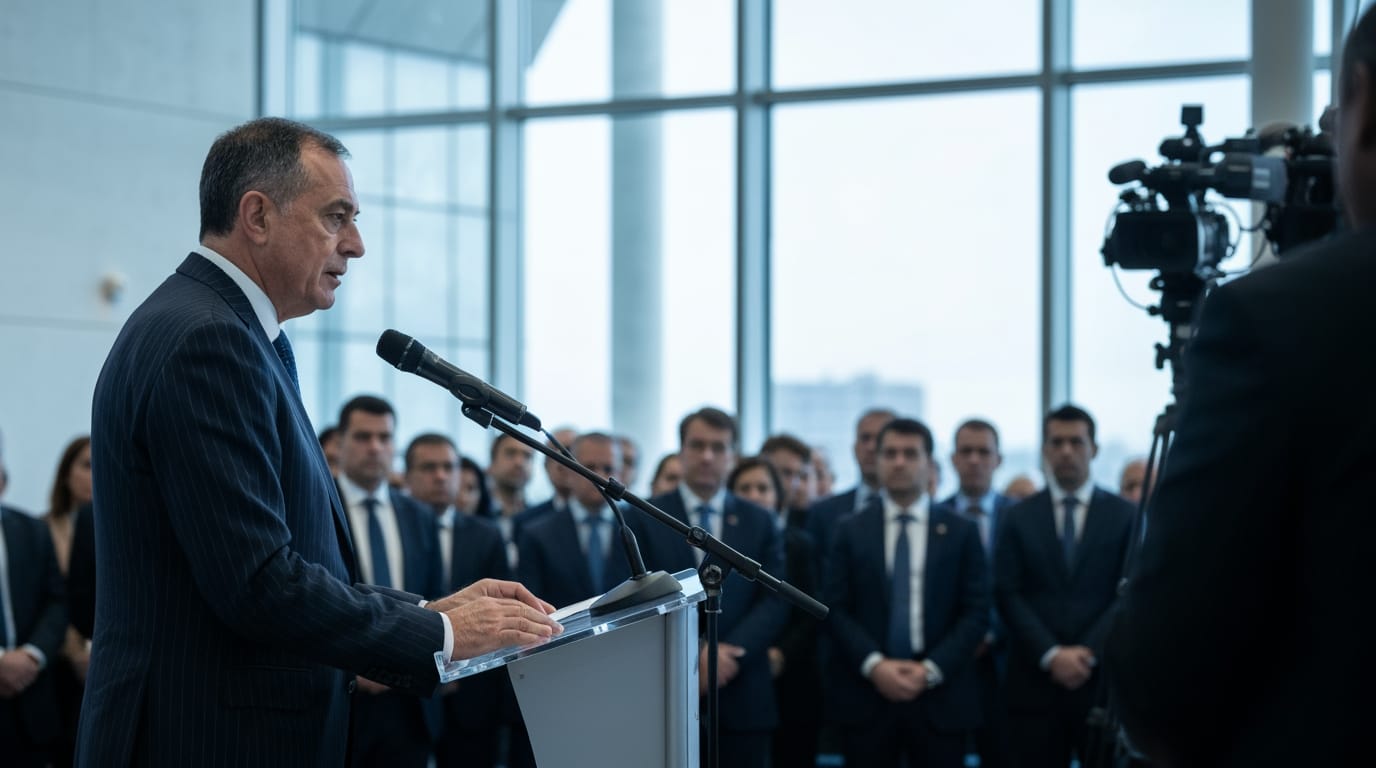
Brussels, Belgium – The European Union, alongside more than a dozen international partners, today launched a significant new initiative, pledging €883.6 million (approximately $1 billion) towards the urgent recovery and reconstruction of the war-torn Gaza Strip. Dubbed the "Team Gaza Initiative," this coordinated effort aims to address the immediate humanitarian catastrophe and lay the groundwork for long-term stability in the besieged enclave, which remains largely in ruins more than two and a half years after the onset of intensified conflict.
The announcement came during a high-level meeting of the Palestine Donor Group (PDG) in Brussels on Monday, July 13, 2026. European Commissioner for the Mediterranean Dubravka Suica and Palestinian Prime Minister Mohammad Mustafa co-chaired the gathering, which brought together 65 international delegations, including representatives from the United States and the United Nations. The comprehensive package is intended to fund crucial early recovery projects, focusing on restoring essential services and rebuilding vital infrastructure devastated by years of conflict.
The "Team Gaza Initiative" Takes Shape
The €883.6 million pledge under the "Team Gaza Initiative" represents a concerted push by the international community to provide tangible relief and foster resilience among the Palestinian people in Gaza. Key partners joining the European Commission in this endeavor include Spain, Denmark, Britain, Germany, Norway, Finland, Italy, the Netherlands, France, Japan, Switzerland, Sweden, and Belgium, along with the World Bank and the European Investment Bank. Australia and Canada are also expected to join the initiative.
The funds are earmarked for critical sectors identified through a Rapid Damage and Needs Assessment for Gaza, published in April 2026 by the EU, United Nations, and World Bank. Priority areas include the restoration of water and sanitation infrastructure, comprehensive debris and solid waste management, and the re-establishment of functional health, energy, and agricultural systems. These projects align with the broader Gaza Peace Plan and United Nations Security Council Resolution 2803, underscoring an international commitment to a coordinated recovery process. European Commissioner Suica articulated the initiative's overarching goal: "to help build hope, resilience and a better future for the Palestinian people."
Gaza's Dire Reality: A Landscape of Urgent Need
The urgent need for this substantial aid package is underscored by the catastrophic humanitarian situation in the Gaza Strip. The coastal enclave remains ravaged by the conflict triggered by the October 7, 2023, attack, with a fragile ceasefire having been in place only since October 2025. The scale of destruction is immense, with an estimated 81 percent of all structures in Gaza damaged as of October 2025. The United Nations estimates the total cost of rebuilding Gaza to be around $70 billion, while the World Bank places the recovery needs at over $67 billion.
The human toll has been staggering, with more than 69,000 people killed and at least 170,000 injured since October 2023. A staggering 90 percent of Gaza's population has been displaced, with many enduring multiple displacements and living in precarious conditions, including flooded tents. The humanitarian crisis is compounded by severe malnutrition, with a famine declared in the Gaza Governorate area in August 2025, and over 100,000 children under five projected to face acute malnutrition in 2026. Access to clean water is also a critical issue, as over 77 percent of water samples tested in 2025 failed to meet health standards. The destruction extends to essential services, leaving many without adequate healthcare, sanitation, and reliable energy sources.
The Broader Context of International Aid and Lingering Challenges
The "Team Gaza Initiative" builds upon the European Union's long-standing commitment to the Palestinian people. Since 1994, the EU has provided nearly €30 billion in assistance. Following the October 2023 escalation, the EU and its member states, collectively known as "Team Europe," have channeled an additional €1.9 billion in humanitarian financial support to the Occupied Palestinian Territory. This includes €647.4 million directly from the EU budget. The PEGASE mechanism, a key EU instrument for supporting the Palestinian Authority, has directed €3.8 billion to Palestinians over time, with new financing agreements signed at the Brussels conference. Furthermore, the EU has maintained a humanitarian air bridge, delivering over 5,600 tonnes of cargo through 85 flights as of early June 2026.
Despite these significant financial commitments, the delivery and effective utilization of aid face considerable hurdles. Dubravka Suica emphasized the need for "conditions on the ground that will allow the support to reach the people in Gaza," and also indicated that the "disarmament of Hamas" is necessary for "proper recovery." A contentious point of discussion among donors has been the role of the UN Relief and Works Agency (UNRWA). While many European nations and Norway consider UNRWA "irreplaceable" for its critical services, some, including the "Board of Peace" and the US Ambassador for UN Reform, have pushed to sideline the agency due to persistent allegations of militant infiltration. Israel has, in fact, prevented UNRWA from directly bringing humanitarian personnel and aid into Gaza since March 2025. These ongoing debates and operational restrictions add layers of complexity to an already challenging recovery environment.
A Glimmer of Hope Amidst Vast Challenges
The launch of the "Team Gaza Initiative" and the substantial €883.6 million pledge offer a renewed glimmer of hope for the beleaguered population of the Gaza Strip. It signifies a recommitment from the international community to move beyond immediate crisis response toward more sustainable recovery and the rebuilding of shattered lives and infrastructure. The focus on essential services like water, sanitation, and health directly addresses critical needs that have plunged Gaza into a humanitarian catastrophe.
However, the path to full recovery remains arduous and will demand sustained international cooperation, political will, and the establishment of stable conditions on the ground. With the United Nations estimating decades for a complete rebuild and billions more needed, this initial pledge, while substantial, represents only a fraction of the total investment required. The success of the "Team Gaza Initiative" will ultimately hinge on effective coordination, unimpeded aid delivery, and a shared vision for a more hopeful and resilient future for the Palestinian people.


