Europe's Defense Ambitions Confront Stark Realities
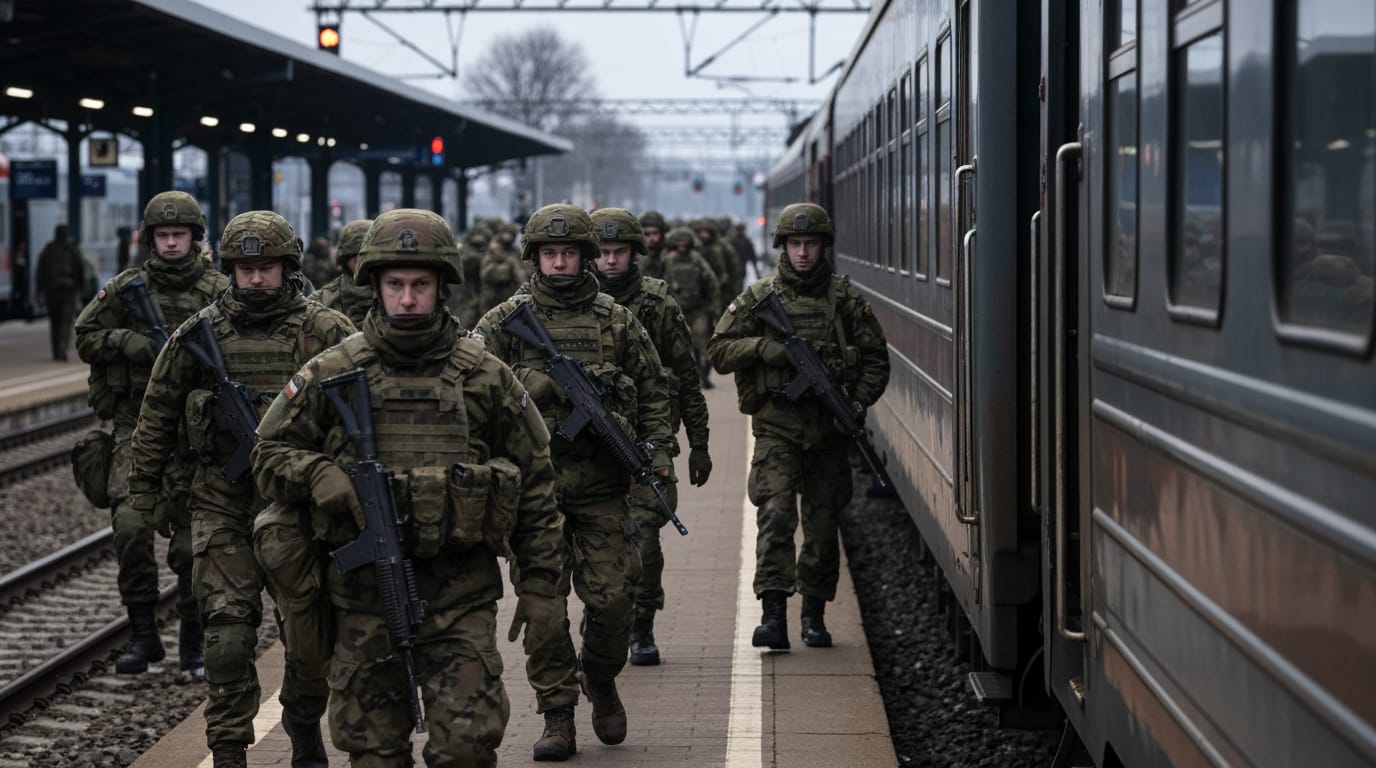
Europe's long-held aspirations for greater defense independence are currently undergoing a rigorous reality check, fueled by escalating geopolitical tensions and the imperative to bolster military capabilities. What was once largely a theoretical debate has rapidly transformed into an urgent call to action, prompted by Russia's invasion of Ukraine and the evolving global security landscape. While European nations have significantly increased defense spending and initiated ambitious strategic plans, a complex web of industrial, financial, and political hurdles threatens to impede the swift realization of these objectives, revealing a considerable gap between ambition and current capacity.
A New Urgency: The Shifting Security Paradigm
The conflict in Ukraine has served as a powerful catalyst, irrevocably altering the discourse around European defense. For decades, many European countries benefited from a perceived peace dividend, leading to reduced defense budgets and a decline in industrial capacity. However, the return of high-intensity warfare on the continent, coupled with growing instability and lingering uncertainties regarding the long-term reliability of American security guarantees, has forced a profound reassessment of Europe's defense posture. European leaders are now vocal about the need for "strategic autonomy," envisioning a future where the continent can assess situations, decide, equip itself, plan, and act independently to defend its interests. This shift is reflected in commitments to drastically increase defense spending, with some NATO members now targeting well beyond the established 2% of GDP threshold, aiming for 3% or even 4%. The European Union has also introduced initiatives like the European Defence Industrial Strategy (EDIS) and the European Defence Fund (EDF) to foster cooperation and strengthen the industrial base.
Industrial Bottlenecks and Fragmented Production
Despite the surge in political will and financial commitments, the European defense industry faces significant structural challenges that hinder rapid expansion. Designed for peacetime efficiency, the industrial base is struggling to meet the sustained demands of high-intensity conflict. Critical shortfalls exist in areas such as ammunition stocks, missile production, and manufacturing capacity. Scaling up production is proving difficult due to long lead times required for facility expansion, securing raw materials, and addressing a critical shortage of skilled labor, including engineers and technicians.
A major impediment remains the fragmented nature of Europe's defense sector. Unlike the more centralized procurement systems in the United States, Europe operates through a patchwork of national programs and competing industrial champions. This leads to the costly duplication of military platforms, inconsistent technical standards, and diminished economies of scale. For example, Europe fields multiple main battle tank designs and fighter aircraft programs that are often developed in parallel rather than jointly. The lack of a truly unified internal defense market provides limited visibility for companies and investors, further complicating efforts to streamline production and foster innovation.
The Funding Paradox and Political Divides
While defense spending across Europe has seen its fastest increase since the Cold War, a significant investment gap persists. The European Commission estimates that hundreds of billions of euros in additional investment will be necessary to close critical capability gaps, integrate disruptive technologies, replenish stockpiles, and rebuild industrial production capacities. However, Europe remains largely dependent on public spending, lacking the deep venture capital and private equity ecosystems that complement defense investment in the United States. This financial constraint is compounded by weak economic growth in some regions and the need for nations to balance increased defense outlays against other pressing national priorities and existing public debt concerns.
Political disagreements also cast a shadow over unified European defense efforts. The concept of "strategic autonomy" itself, while broadly supported, faces internal conflicts regarding its practical implementation. There is tension between advocates for a "buy European" approach to foster the continent's own industrial base (e.g., France) and those who prioritize immediate military readiness, often leading to purchases of readily available, often American-made, equipment (e.g., Poland and Nordic states). The challenge extends to achieving a unified foreign policy, shared threat perception, and decisive command authority—elements crucial for any truly independent European defense architecture. Without a stronger domestic consensus for sustained investment and greater political cohesion, the continent risks fragmenting its efforts and diluting its strategic impact.
The Path Forward: Bridging the Gap Between Aspiration and Execution
Europe stands at a critical juncture, with the ambition to become a more credible security actor by 2030. Achieving this will require not only sustained financial commitment but also a fundamental transformation of its defense industrial base and a greater degree of political and military integration. Efforts to address fragmentation through joint procurement and standardized equipment, as well as investments in workforce development and critical raw material supply chains, are paramount. The appointment of a dedicated defense commissioner within the European Commission, as anticipated, could provide a much-needed catalyst for reform and better coordination, though the success will hinge on the authority and financial clout granted to the position.
Ultimately, Europe's defense ambitions are not merely about military hardware; they are about fostering a "whole of society" resilience and a shared understanding across the continent regarding the new security realities. While the path is fraught with complexities, the imperative to move beyond aspiration towards tangible, coordinated capabilities has never been clearer. The coming years will determine whether Europe can effectively bridge the gap between its strategic goals and the practicalities of execution, solidifying its role as a robust and self-reliant pillar in global security.