Europe's Digital Renaissance: The Rise of Privacy-Focused Social Media Alternatives
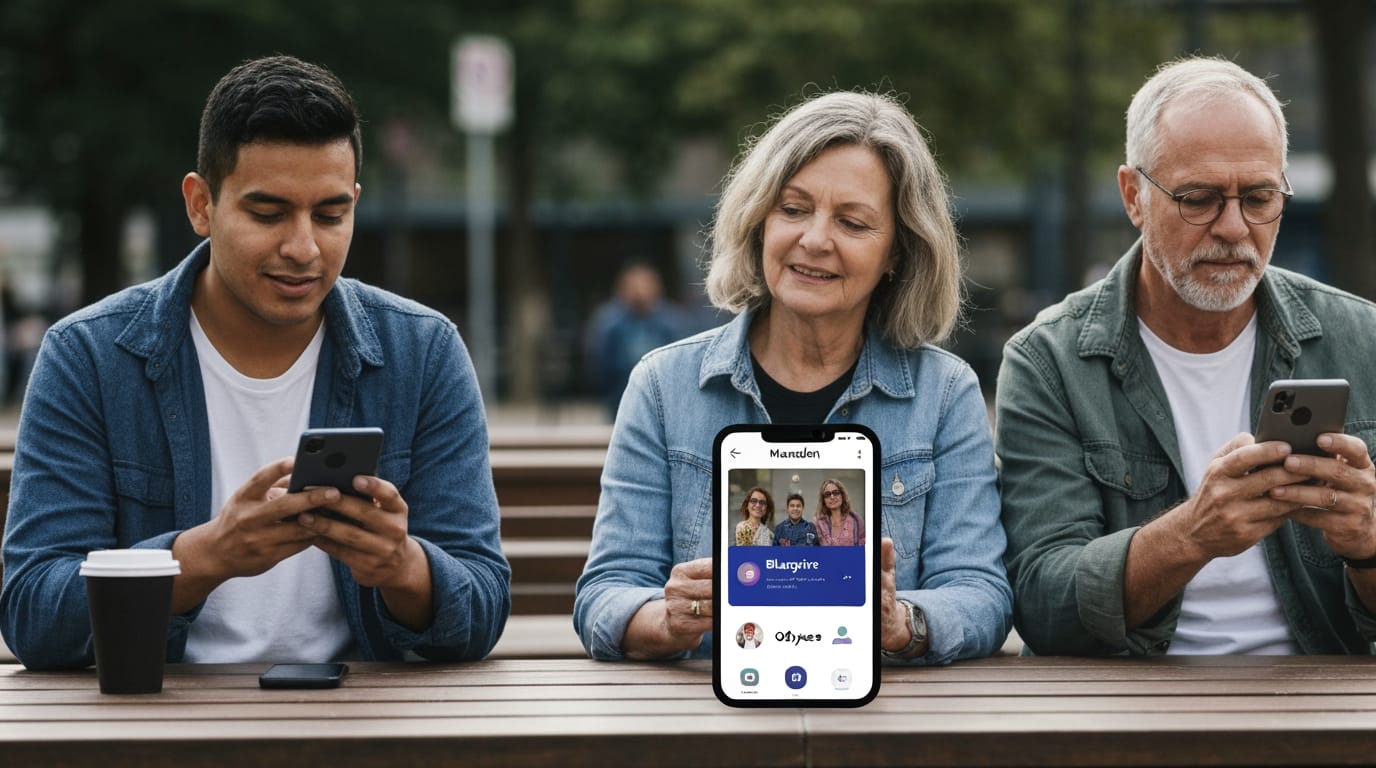
Brussels, Belgium – In an increasingly interconnected world dominated by a handful of global technology giants, Europe is charting its own course in the social media landscape. Amid growing concerns over data privacy, content moderation, and algorithmic influence, a new generation of European-based social platforms is emerging, offering users alternatives to the pervasive ecosystems of Instagram and TikTok. These nascent platforms, often built on principles of decentralization and user control, represent a crucial step towards greater digital sovereignty for the continent.
The Quest for Digital Sovereignty
The impetus behind Europe's push for homegrown social media solutions stems from a deep-seated commitment to data protection and digital rights. Landmark regulations like the General Data Protection Regulation (GDPR) and the impending Digital Services Act (DSA) have set a high bar for privacy and online safety, creating a fertile ground for platforms designed with these values at their core. Concerns regarding the handling of personal data, the transparency of content algorithms, and the broader market dominance of non-European tech firms have fueled a collective desire for alternatives where user interests are prioritized over profit motives. European institutions themselves are increasingly advocating for and even adopting decentralized platforms, underscoring the strategic importance of this shift. For instance, the European Data Protection Supervisor (EDPS) launched a pilot project with "EU Voice" and "EU Video," based on Mastodon and PeerTube respectively, demonstrating a commitment to privacy-friendly digital spaces.
European Visions for Visual Sharing: Instagram Alternatives
For those seeking to share photos and videos without succumbing to the commercial pressures and algorithmic curation of platforms like Instagram, several European alternatives are gaining traction.
Pixelfed, an open-source, federated image-sharing network, stands out as a privacy-focused alternative. Part of the broader "Fediverse," Pixelfed instances can communicate with each other using the ActivityPub protocol, allowing users to interact across different servers. It offers features akin to Instagram, such as photo posts, albums, filters, comments, likes, and stories, but distinguishes itself with chronological feeds, minimal tracking, and an ad-free, privacy-friendly experience. As of early June 2026, Pixelfed reported over 1 million users across 840 active instances, with significant popularity in countries like Germany and France.
Another notable player is BeReal, a French application that rose to prominence for its unique approach to authentic content. Users receive a single daily notification, prompting them to capture and share an unfiltered photo within a two-minute window using both front and rear cameras. This design explicitly eschews filters, follower counts, and ads, aiming to foster genuine connections rather than curated personas. While its initial rapid growth has somewhat leveled, BeReal reported 40 million monthly active users in 2025, highlighting a demand for more authentic online interactions.
Monnett, based in Luxembourg, presents itself as a non-addictive, privacy-centric image and video sharing app. Launched in 2025, Monnett's interface closely mirrors Instagram's but operates without artificial intelligence, bots, or surveillance. It offers users full control over their chronological feeds and provides a paid subscription tier to maintain an ad-free environment. Its digital infrastructure is hosted in Germany, ensuring adherence to stringent EU privacy protections. However, with approximately 50,000 users, Monnett is still in its nascent stages, facing the challenge of building a substantial user base.
Meanwhile, Vero, a British social network, offers a subscription-based model, promising no ads, no algorithms, and no data selling. It provides a chronological feed for sharing various content types, including photos, links, music, and films, with privacy at its core.
Reimagining Short-Form Video: TikTok Alternatives
Replacing the highly engaging, algorithm-driven short-form video experience of TikTok presents a distinct challenge. However, European alternatives are approaching this space with a focus on different values: privacy, decentralization, and community-driven content.
PeerTube, developed by the French non-profit Framasoft, is a decentralized and open-source video platform. While not a direct TikTok clone, it operates within the Fediverse and uses peer-to-peer technology to reduce server load. PeerTube allows users to create their own video platforms (instances) and connect them, providing independence from central control, opaque algorithms, and surveillance-based monetization. The EDPS even launched a pilot program, "EU Video," based on PeerTube, as a privacy-friendly platform for EU institutions. PeerTube aims to empower creators with full control over their content and data.
Jodel, a German anonymous local social network, connects users based on their location. Popular among European university students, it is considered a GDPR-compliant alternative that prioritizes localized community interaction over algorithmic virality. While not primarily a video platform, its emphasis on local, anonymous sharing offers a different social experience.
Another entrant, Emerse, a German short-video social platform, is built around vibrant communities, allowing users to explore specific interests through swiping gestures. This approach diverges from TikTok's broad, algorithm-led discovery, favoring niche community engagement.
The Power of the Fediverse and Decentralization
Many of these European alternatives leverage the concept of the Fediverse – a portmanteau of "federation" and "universe." This interconnected network of independently hosted servers allows users across different platforms (like Mastodon, Pixelfed, and PeerTube) to communicate seamlessly using open protocols like ActivityPub. This decentralized architecture means no single company controls the entire network, offering enhanced user control, data sovereignty, and flexible content moderation policies set by individual server administrators.
Mastodon, a German-founded decentralized microblogging network, is a prominent example of the Fediverse's potential. It gained significant attention as an alternative to X (formerly Twitter), emphasizing chronological feeds, no ads, and no algorithmic manipulation. With over 9 million registered accounts and 1.5 million active users as of November 2024, Mastodon demonstrates the appeal of a user-centric social media model, with over a quarter of its user base residing in Germany. The European Commission itself has adopted Mastodon, launching its "EU Voice" instance to promote open-source and private communication.
Another Fediverse platform, Lemmy, functions as a decentralized alternative to Reddit, allowing users to create and join communities for discussions and link aggregation across various independent instances. These platforms are not controlled by a single company, fostering open and independent discussions.
Hurdles and the Path Forward
Despite their compelling value propositions, European social media alternatives face considerable challenges. The immense network effect of established giants like Instagram and TikTok means that many users remain on platforms where their friends and favorite content creators already reside. Furthermore, many open-source and decentralized projects struggle with consistent funding and resources compared to their venture-backed counterparts. Improving user experience and accessibility remains crucial to attract a broader audience beyond privacy-conscious early adopters.
However, the tide may be turning. Public demand for greater privacy and control, coupled with the European Union's robust regulatory framework, creates a unique opportunity for these alternatives to flourish. By focusing on niche communities, fostering genuine connections, and prioritizing user rights, these platforms offer a glimpse into a more diverse, equitable, and privacy-respecting digital future for Europe and beyond. The ongoing development and adoption of the Fediverse underscores a strategic shift towards building an internet that is truly for the people, not just for profit.


