Europe's Green Deal Faces Critical Reckoning, Key Environmental Policies Rolled Back
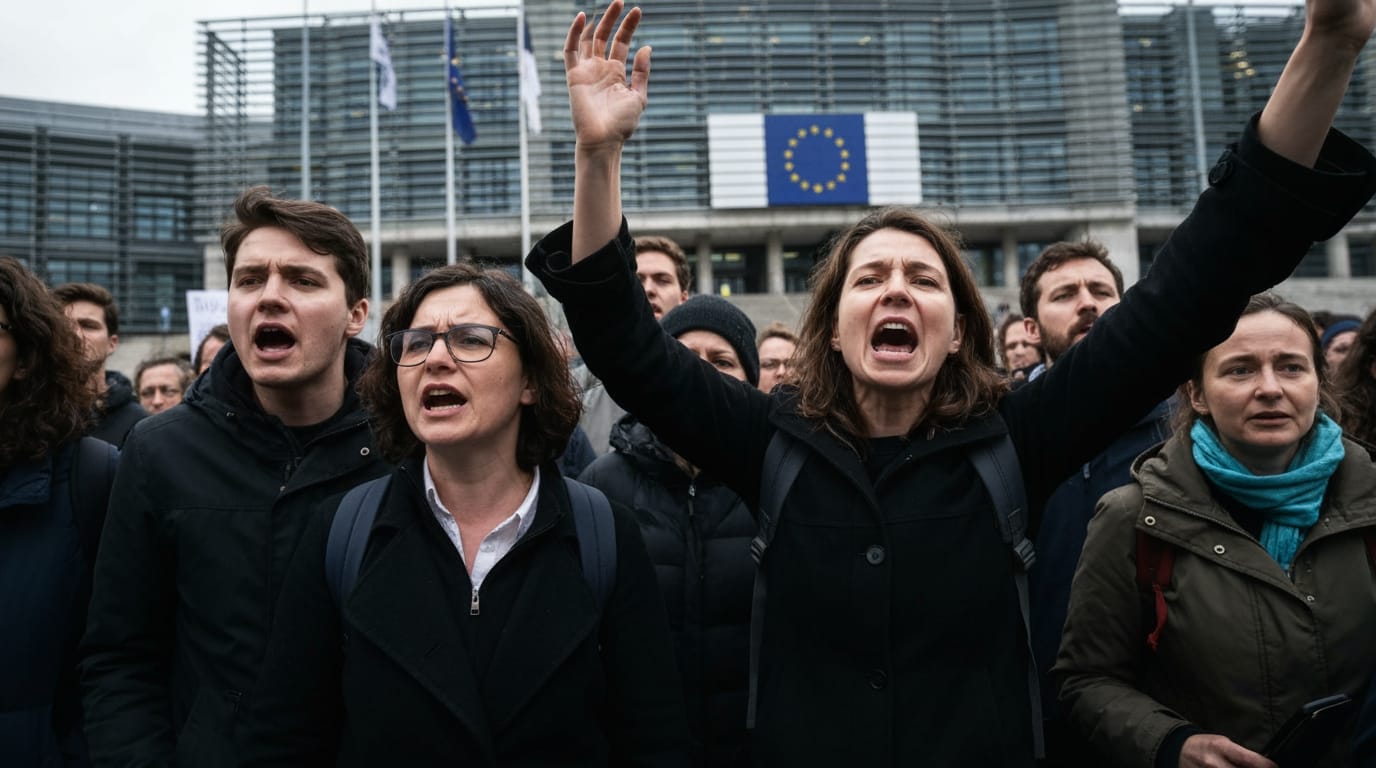
BRUSSELS — The ambitious European Green Deal, once hailed as the continent's "man on the moon moment" for climate action, is undergoing a significant re-evaluation, with key environmental policies being softened, delayed, or outright withdrawn amidst mounting economic pressures, geopolitical shifts, and widespread public opposition. What began as a sweeping legislative package aimed at making the European Union climate-neutral by 2050 and cutting emissions by 55% by 2030, is now navigating a complex landscape where the imperative of industrial competitiveness and the concerns of critical sectors are increasingly influencing policy decisions. This shift raises profound questions about the EU's unwavering commitment to its foundational climate objectives.
The Grand Vision and its Foundations
Launched by European Commission President Ursula von der Leyen in 2019, the European Green Deal was designed as a transformative strategy to overhaul the EU economy across multiple sectors, including energy, transport, industry, and agriculture, while protecting biodiversity and fostering a circular economy. The overarching goal was to transition Europe into a modern, resource-efficient, and competitive economy, demonstrating global leadership in the fight against climate change. Key initiatives included legally binding targets for emissions reductions, strategies for nature restoration, and plans to reduce the use of harmful chemicals in agriculture. It was envisioned as a blueprint for sustainable growth, aiming to decouple economic expansion from resource depletion.
Economic Headwinds and Geopolitical Realities Reshape Priorities
The initial years of the Green Deal's implementation coincided with unprecedented global challenges that have forced a recalibration of priorities within the EU. The COVID-19 pandemic triggered a severe economic contraction, shifting focus towards recovery and resilience. More significantly, Russia's full-scale invasion of Ukraine in 2022 sent shockwaves through European energy markets, leading to soaring prices and a renewed emphasis on energy security and domestic production.
In this turbulent environment, concerns over industrial competitiveness have surged to the forefront of EU policymaking. European businesses and governments have increasingly voiced worries about high energy costs, complex regulatory burdens, and intense competition from global players like China and the United States. The European Commission itself has acknowledged this, with initiatives like the "Green Deal Industrial Plan" and the "Competitiveness Compass" signaling a move towards a "predictable and simplified regulatory environment" to support Europe's net-zero industry. Critics argue that this emphasis on simplification often translates into a watering down of environmental regulations.
Key Policies Face Dilution and Retreat
The shift in political winds has led to concrete changes in several high-profile Green Deal initiatives:
- Pesticide Reduction Targets Abandoned: One of the most significant reversals has been the European Commission's withdrawal of its proposal to halve the use and risk of chemical pesticides by 2030. This target, a core component of the "Farm to Fork" strategy, faced "massive opposition" from the agricultural lobby and farmer protests, ultimately leading to its abandonment in February 2024. The decision means the ambitious 50% pesticide reduction target is "off the table," prioritizing short-term yield stability over long-term ecological health, according to some analyses.
- Combustion Engine Ban Softened: The landmark 2035 ban on the sale of new internal combustion engine (ICE) cars is also facing significant pressure and is expected to be softened. Originally intended to accelerate the transition to electric vehicles and achieve zero emissions in road transport, the ban is now being reconsidered to allow vehicles powered by biofuels, synthetic e-fuels, and potentially plug-in hybrids or range extenders beyond the deadline. Several EU member states, including Germany and Italy, have pushed for this flexibility, citing concerns about the auto sector's economic viability and slower-than-anticipated consumer adoption of electric vehicles. An upcoming "auto package" from the European Commission, expected in December 2025, is likely to formalize a more flexible emissions framework.
- Nature Restoration Law Narrowly Adopted with Concessions: The EU Nature Restoration Law, aimed at restoring 20% of the EU's degraded ecosystems by 2030 and all ecosystems in need by 2050, officially came into force in August 2024. However, its passage was highly contentious and secured only by a slim margin after significant political battles and the inclusion of flexibilities and longer phasing-in periods. Farmers vehemently opposed the law, arguing it would lead to a loss of productive agricultural land and impose uncompensated burdens.
- Broader Deregulation and Reporting Exemptions: Beyond specific legislative acts, the EU is pursuing a broader agenda of "simplification" and deregulation across various environmental reporting rules. Draft proposals indicate intentions to cut back on requirements for industries to report on pollution and waste, potentially ending mandates for individual industrial facilities and livestock farms to have detailed environmental management systems. Critics point to "omnibus" packages that delay anti-deforestation laws, exempt thousands of companies from corporate sustainability reporting (CSRD/CSDDD), and weaken green conditions tied to farming subsidies. Environmental groups warn that this constitutes a "dismantling" of hard-won nature protections in the name of competitiveness.
The Farmers' Revolt: A Potent Catalyst
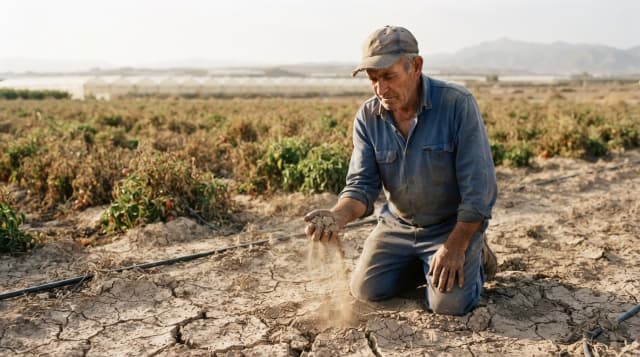
A powerful wave of farmer protests across Europe has been a major catalyst for these policy adjustments. Farmers, driving tractors into major cities, have expressed deep anger over what they perceive as excessive environmental regulations, high production costs, cheap imports, and insufficient financial support. They contend that Green Deal policies, such as pesticide bans and nitrogen emissions curbs, exacerbate their economic difficulties.
These protests proved highly effective, leading to direct concessions from EU policymakers, including delays to rules on set-aside land designed to boost biodiversity and the removal of farming emissions targets from the EU's 2040 climate roadmap. While environmental advocates argue that blaming green rules distracts from systemic issues in the agricultural sector, the political impact of the farmers' discontent has undeniably contributed to the softening of environmental ambitions.
Conclusion: A Pragmatic Reset or a Compromised Future?
The current trajectory of the European Green Deal reflects a complex balancing act between ambitious environmental goals and the pressing realities of economic stability, industrial competitiveness, and social cohesion. While the EU maintains a legally binding target to cut greenhouse gas emissions by 90% by 2040 and achieve climate neutrality by 2050, the pathways to these goals are becoming increasingly "pragmatic and flexible." This includes allowing a portion of emissions reductions to be met through international carbon credits and delaying the expansion of carbon pricing to road transport and buildings.
For proponents, this adaptability is crucial to ensure a "just transition" that does not unduly burden industries or citizens. For environmentalists, however, the series of rollbacks, dilutions, and delays represents a concerning "greenlash" that threatens to undermine the integrity and effectiveness of the Green Deal. The coming years will reveal whether Europe's "pragmatic" adjustments enable a sustainable future or whether they represent a significant retreat from its groundbreaking environmental leadership.