Europe's Hidden Scourge: The Billion-Euro Business of Illegal Waste Trafficking
Across Europe, a shadowy economy thrives, driven by the illicit trade of waste that pollutes land, poisons water, and imperils human health. This clandestine market, estimated to be worth billions of euros annually, represents a significant threat to the continent's environmental integrity and the global push for a circular economy. Criminal organizations exploit regulatory loopholes, often operating within seemingly legitimate businesses, to traffic vast quantities of hazardous and non-hazardous materials, circumventing costly legal disposal methods and causing devastating, often irreversible, environmental damage both within and beyond European borders.
The Lucrative Underbelly of Waste Management
The illegal waste trade has emerged as one of the most profitable environmental crimes, comparable in scale to drug trafficking, yet carrying significantly lower risks and penalties. Annual revenues from this illicit business in the EU are estimated to range between €3 billion and €12 billion, with some assessments suggesting the trade could reach up to €9.5 billion annually. This immense profitability stems from the high costs associated with the legal treatment and disposal of waste, particularly hazardous materials. Businesses eager to cut expenses often turn to illicit operators who offer significantly cheaper alternatives. For instance, disposing of a tonne of waste legally in Germany might cost €300, while illegal dumping in countries like Poland could be as low as €30-€50 per tonne.
The sheer volume of waste generated by European industry creates a constant demand for disposal services, a demand increasingly met by organized crime groups. These groups, often with deep expertise in environmental regulations, adeptly identify and manipulate weaknesses in recycling and waste recovery systems for financial gain. Estimates suggest that between 15% and 30% of all waste shipments originating from or transiting through Europe might be illegal.
Deceptive Practices: How Waste Evades Regulation
Criminal networks employ sophisticated methods to conceal the true nature and destination of their illicit cargo. A primary tactic involves the falsification of documents, where hazardous waste is frequently misclassified as non-hazardous, or even as legitimate secondary raw materials or second-hand goods. This can be as simple as altering a waste code on shipping manifests. Shell companies and complicit businesses play a crucial role, providing a veneer of legitimacy to illegal operations. These entities often register legally and present themselves as waste management facilitators, offering prices far below market rates.
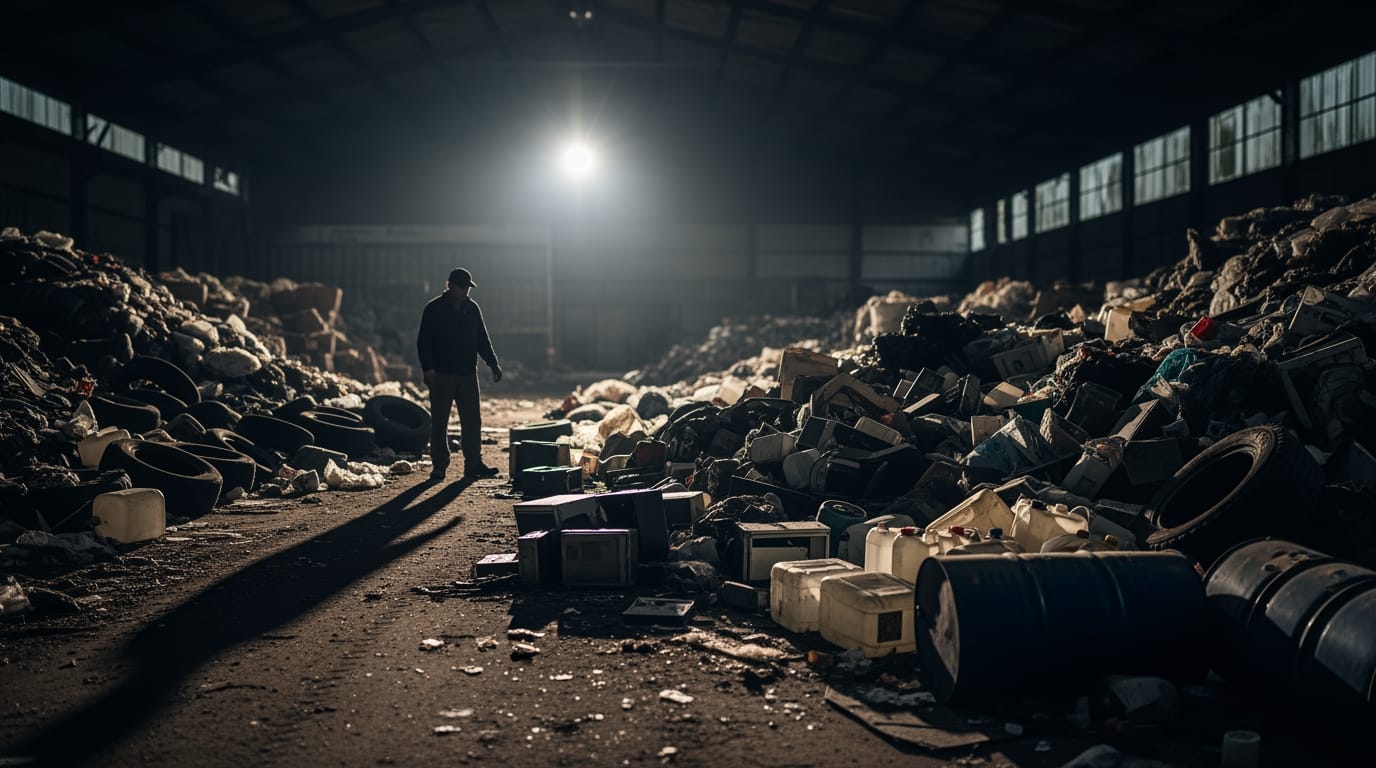
The types of waste trafficked are diverse, including electronic waste (e-waste), plastics, construction and demolition debris, end-of-life vehicles, textiles, and highly dangerous hazardous waste such as industrial gases, medical waste, and fluorinated gases (F-gases). In one recent case, a Croatian-led criminal network was found to have illegally disposed of 35,000 tonnes of hazardous and medical waste from Italy, Slovenia, and Germany in Croatia, generating an estimated €4 million in profit by falsifying documents to declare the waste as recyclable plastic. In another instance, 650 tons of mis-declared plastic waste were illegally exported from the EU to non-EU countries.
The movement of waste often occurs both within EU borders and to non-EU countries. Western European nations, facing high disposal costs, sometimes see their waste illegally transported to Eastern European countries like Poland, Romania, Bulgaria, and Croatia, where it is often dumped in illegal landfills. Beyond Europe, destinations commonly include countries in West Africa and East and South-East Asia, which often lack the infrastructure to safely process such materials. China's 2018 ban on certain plastic waste imports exacerbated this issue, prompting traffickers to seek new dumping grounds.
Environmental and Human Toll
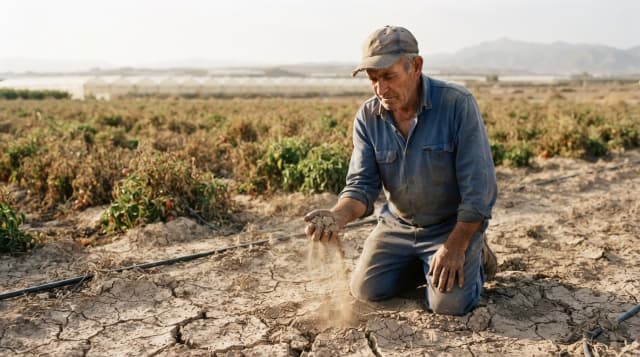
The consequences of illegal waste trafficking are far-reaching and catastrophic. Unregulated dumping and burning of waste release toxic substances into the environment, leading to severe soil, water, and air pollution. These pollutants contain heavy metals and persistent chemicals that degrade ecosystems, harm biodiversity, and compromise essential environmental services. Communities living near illegal dumps face elevated health risks, including respiratory and skin diseases, due to exposure to hazardous fumes and contaminated resources.
The illicit trade also undermines the legitimate recycling industry and the broader goals of the circular economy. Fraudsters disrupt legal businesses, causing financial losses and hindering investments in innovative recycling technologies. When waste is illegally diverted, it reduces actual recycling and recovery rates, making it more challenging to build a fair, traceable, and environmentally safe circular economy. The damage extends to global inequalities, as vulnerable nations often bear a disproportionate impact, lacking the infrastructure to treat hazardous waste and becoming chronic pollution zones.
The Ongoing Battle Against Waste Crime
Combating illegal waste trafficking is a complex challenge, hindered by fragmented legislation, lenient sanctions, and difficulties in international traceability. The lack of harmonized inspection criteria and limited resources for enforcement agencies across EU member states create exploitable vulnerabilities. In response, the European Union has intensified its efforts. The new Waste Shipment Regulation (WSR), which came into force in May 2024, aims to establish stricter rules for waste exports to non-EU countries, banning plastic waste exports outside the EU, and improving traceability within the bloc. The EU has also strengthened its Environmental Crime Directive, introducing tougher penalties and an expanded list of offenses.
The European Anti-Fraud Office (OLAF) has seen its role expanded, empowering it to conduct inspections in complex cross-border cases, both within and outside the EU, starting in May 2026. Collaborative initiatives such as OLAF's Waste Shipment Enforcement Group, comprising over 50 stakeholders from environmental authorities, customs, police, and judicial representatives, aim to strengthen international cooperation. Europol, the EU's law enforcement agency, actively supports member states through operations like "Operation Custos Viridis" and by co-leading operational action plans focused on waste trafficking. Efforts are also underway to develop advanced tools, including GPS-based waste tracking and an electronic system for information exchange, to enhance traceability and combat fraudulent declarations.
A Call for Sustained Action
Despite increased awareness and enforcement efforts, illegal waste trafficking remains a persistent and evolving threat. The financial allure for criminal groups, coupled with the comparative low risk of detection and mild sanctions, continues to drive this illicit trade. The sophisticated nature of criminal networks, which often embed themselves within legitimate business structures, requires an equally sophisticated and coordinated response.
The fight against this environmental crime demands sustained commitment, enhanced cross-border cooperation, and continuous adaptation to the changing tactics of criminals. Strengthening legislation, improving enforcement capabilities, and investing in advanced tracking technologies are crucial steps to protect Europe's environment, safeguard public health, and ensure the integrity of the global waste management system. The ultimate success hinges on a unified front that ensures waste is managed responsibly, rather than becoming a toxic legacy.