Europe's Nuclear Power Under Threat as Extreme Heat Rewrites Energy Landscape
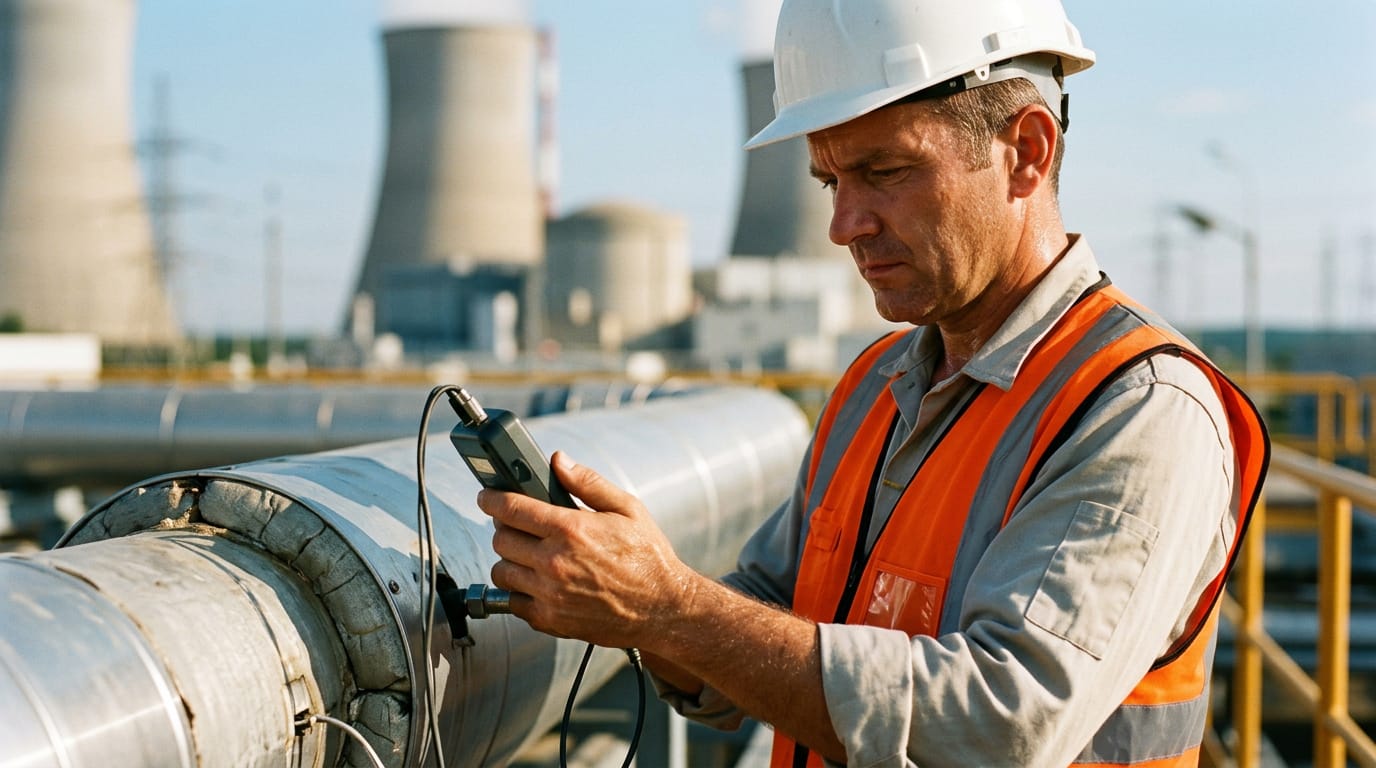
Europe's nuclear power infrastructure, long considered a bastion of stable and low-carbon electricity generation, is increasingly facing unprecedented challenges from the continent's escalating climate crisis. As heatwaves become more frequent and intense, and droughts lead to critically low river levels, the intricate cooling systems essential for nuclear reactors are being pushed to their limits, forcing shutdowns and output reductions across the continent. This emerging vulnerability threatens Europe's energy security, drives up electricity prices, and complicates the continent's ambitious climate goals.
The Boiling Point: How Heat Impacts Nuclear Operations
Nuclear power plants rely heavily on water, typically sourced from rivers, lakes, or the sea, for cooling their reactors and condensing steam. This cooling process is vital for safe and efficient operation. However, extreme heatwaves lead to elevated water temperatures in these sources and, often, diminished water levels due to drought. When intake water is warmer, its cooling capacity is reduced, impairing the plant's overall efficiency.
Compounding this technical hurdle are stringent environmental regulations designed to protect aquatic ecosystems. These rules often stipulate a maximum temperature for water discharged back into rivers or other bodies. If the source water is already warm, and the plant's operations would cause the discharge to exceed these ecological thresholds, operators are compelled to reduce power output or, in severe cases, shut down reactors entirely. For instance, a European Commission estimate cited by the International Atomic Energy Agency suggests that every 1°C rise in cooling-water temperature can reduce nuclear output by approximately 0.2%. Low river levels further exacerbate the problem by reducing the volume of water available for cooling, impacting the efficiency and sometimes the viability of intake systems.
France, which derives around 70% of its electricity from nuclear power, is particularly exposed to these climatic stressors. Its extensive fleet includes 12 reactors at four sites that depend heavily on river or lake water without cooling towers, making their production highly sensitive to rising water temperatures. During the July 2026 heatwave, three of France's 57 nuclear reactors had to shut down, and generation was reduced at another seven, resulting in an almost 9% dip in power production. Similar reductions were observed in 2003, 2006, 2015, 2018, 2019, 2022, and 2025. In June and July 2026 alone, France lost more than 3.7 terawatt hours of nuclear power due to temperature restrictions, more than double the record set in 2018. Reactors along the Garonne, Loire, and Rhône rivers, such as Golfech, Nogent, Bugey, Saint-Alban, Tricastin, Cattenom, and Blayais, have frequently faced operational restrictions.
The challenge extends beyond France. Hungary's Paks nuclear power plant, which typically supplies 40-45% of the nation's electricity, was severely impacted by record-low water levels in the Danube River. At one point, the plant was reportedly reduced to operating at just one-eighth of its capacity, with officials warning of a complete shutdown. In Romania, controlled explosions were carried out in the Danube to redirect cooling water to the Cernavodă nuclear plant after low river levels forced one of its reactors offline. Switzerland's Beznau nuclear units also experienced shutdowns when the Aare river's temperature reached critical levels. Even Germany, with its smaller and largely phased-out nuclear fleet, has seen plants like Grohnde and Brokdorf reduce output due to high river temperatures.
Ripple Effects: Energy Security and Economic Strain
The curtailment of nuclear power generation during heatwaves creates significant ripple effects across Europe's energy markets and economies. With nuclear plants forced to reduce output precisely when electricity demand surges due to increased air conditioning use, the balance of supply and demand becomes precarious. For instance, France experienced a nearly 20% rise in daily electricity demand during a June 2026 heatwave, while Spain saw a 14% increase in 2025.
This imbalance often leads to a spike in electricity prices. During the 2025 heatwave, average daily power prices in Europe increased two to three times, with spreads exceeding €400/MWh on the hottest days. Hungary saw prices soar to €500/MWh when its Paks plant faced output cuts. When France's nuclear capacity was limited due to high river temperatures, its electricity exports dropped significantly, at times forcing it to import power from countries like the United Kingdom, which in turn put pressure on the UK system.
The economic costs extend beyond immediate energy market fluctuations. Disruptions to crucial energy infrastructure during heatwaves contribute to broader economic strain. Analysts estimate that climate change could reduce growth by 5% to 7% by 2030 in exposed economies like France and Spain. For example, every week Hungary's Paks nuclear plant remains offline could reduce the country's GDP by 0.1 percentage point. These events highlight how climate change is increasingly reshaping energy markets and exposing vulnerabilities that policymakers previously defined primarily in terms of winter heating needs.
Adapting to a Warming World: Industry Responses and Future Outlook
In response to these growing threats, the nuclear industry and European governments are exploring various adaptation strategies. In the short term, regulatory bodies have occasionally granted temporary waivers to allow plants to discharge water at slightly higher temperatures than usually permitted, balancing environmental concerns with the critical need for electricity during peak demand. However, such measures are temporary and underscore the severity of the situation.
For long-term resilience, significant investments and operational adjustments are underway. Plant operators, such as France's EDF, are investigating additional cooling towers for sites most vulnerable to warming climates. The industry is also refining operating practices, such as scheduling maintenance during periods of extreme heat to minimize outages when demand is highest. Research suggests that upgraded cooling systems and the deployment of advanced technologies like dry cooling, which uses air instead of water, or climate-informed reactor designs, will be crucial.
Academics and industry experts emphasize that while nuclear power faces unique challenges from extreme heat, all energy sources are affected by climate change. Wind power can decrease during heatwaves, gas plants become less efficient in higher temperatures, and hydropower output suffers from depleted rivers. Therefore, the adaptation of nuclear facilities must be viewed within the broader context of building a resilient and diverse energy mix for Europe's future. The initial design of many nuclear plants, often based on historical weather patterns, no longer reflects today's climate realities. Adaptation is part of the "DNA" of nuclear power, with a proactive capacity for resilience shown through retrofitting and design advancements. However, the increasing frequency and intensity of heatwaves mean that this resilience must constantly evolve to keep pace with a rapidly changing climate.
Conclusion: Navigating a New Climate Reality
The challenges posed by extreme heat to Europe's nuclear power plants represent a significant test for the continent's energy infrastructure and its transition goals. What was once considered a reliable, weather-independent power source is now demonstrating vulnerabilities under unprecedented climatic conditions. The necessity for shutdowns and output reductions highlights a critical need for Europe to balance its energy demands, environmental protection, and nuclear safety in a warming world.
As climate change continues to intensify, adapting Europe's nuclear fleet and integrating it seamlessly into a resilient, low-carbon energy system will be paramount. This requires continuous investment in advanced cooling technologies, robust climate-informed planning, and a strategic re-evaluation of energy infrastructure to ensure that a key component of Europe's power supply can withstand the new climate reality. The lessons learned from recent heatwaves are clear: climate change is not merely an environmental concern but a profound threat to the operational stability of critical energy assets.


