Eurovision Final Overshadowed by Israel Dispute as Switzerland Claims Victory
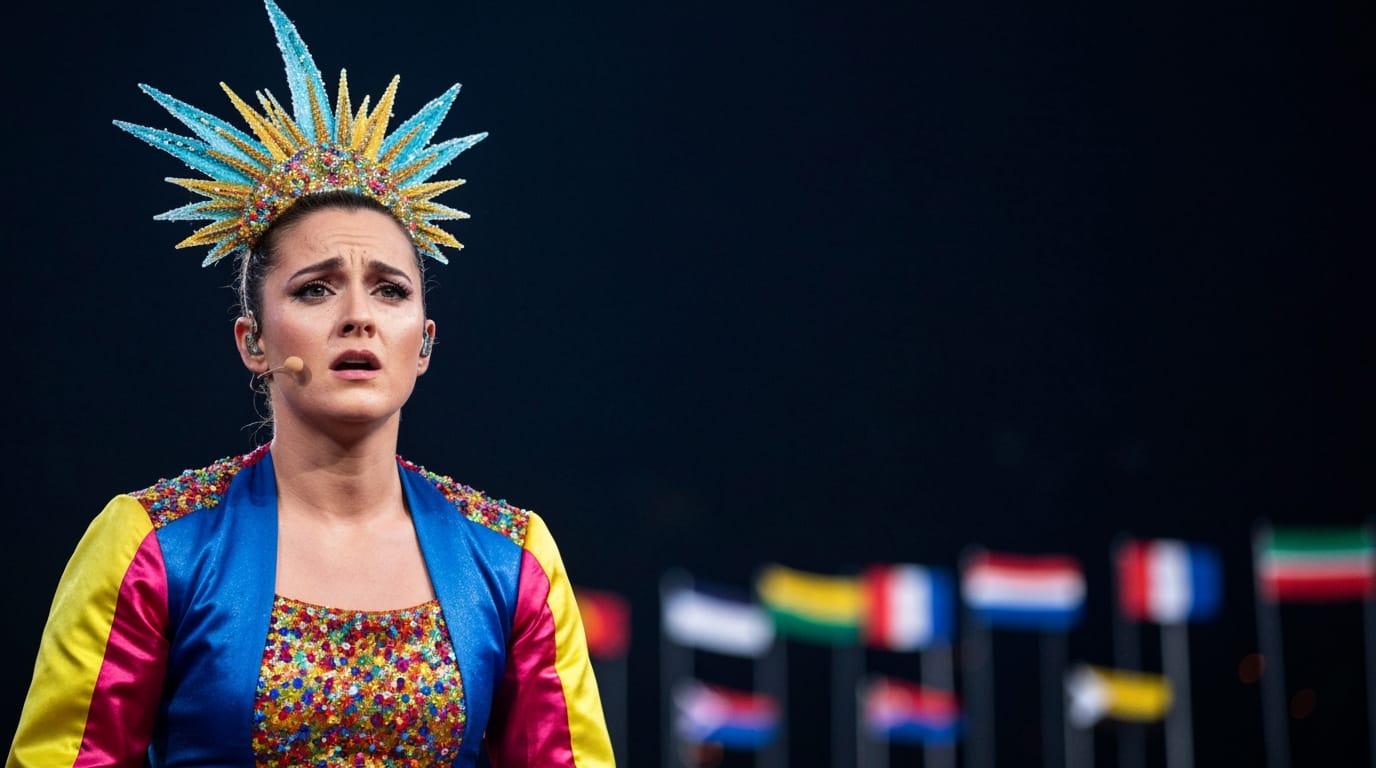
MALMÖ, Sweden — The grand final of the 68th Eurovision Song Contest on May 11, 2024, culminated in Switzerland’s Nemo being crowned champion, yet the event in Malmö, Sweden, was largely eclipsed by widespread protests and intense controversy surrounding Israel’s participation amidst the ongoing conflict in Gaza. The annual celebration of music, typically characterized by unity and glitz, found itself at the center of a geopolitical firestorm, creating an atmosphere of division and heightened security.
The European Broadcasting Union (EBU), organizers of the contest, had steadfastly maintained that Eurovision is a "non-political music event," resisting numerous calls to exclude Israel from the competition. This stance drew sharp criticism, with many drawing parallels to Russia's ban from the contest in 2022 following its invasion of Ukraine. This perceived double standard fueled the fervent protests that dominated the days leading up to and including the final.
Malmö Engulfed by Protests
Malmö, the host city, transformed into a focal point for large-scale demonstrations. Thousands of anti-war activists, estimated between 6,000 and 8,000 people, converged on the city's central squares on the day of the final, marching toward the Malmö Arena where the contest was held. Waving Palestinian flags and chanting "Eurovision united by genocide," a stark twist on the contest's official slogan "united by music," protesters demanded a boycott of the event. Climate activist Greta Thunberg was among those who joined the protest march, later being removed by Swedish police outside the arena.
The demonstrations were largely peaceful, though some protesters directed chants of "Shame on you" at attendees entering the venue. Pro-Palestinian sentiment was visibly present throughout the city, with official Eurovision posters and banners reportedly graffitied to read "United by genocide." Smaller counter-rallies in support of Israel were also held, emphasizing the deeply divided atmosphere. These events underscored a growing frustration among activists who believed Israel was using the contest to "pink-wash" its image amidst the conflict.
Israel's Contested Presence
Israel's representative, Eden Golan, performed her song "Hurricane," a track that itself underwent scrutiny and revisions by the EBU. The original lyrics for the song, titled "October Rain," were deemed to make apparent references to the October 7 attacks in Israel, violating the contest’s non-political rules. Despite the change, Golan's performances, including during rehearsals and the semi-finals, were met with a "mixed reaction" from the audience, characterized by both cheers and audible booing.
Security for Golan and the Israeli delegation was exceptionally tight throughout their time in Malmö. Reports indicated that Golan was advised by Israel's national security agency to remain in her hotel room between performances and was transported to rehearsals in a convoy of cars. This intense security environment highlighted the perceived threat and the fraught nature of Israel’s participation.
Ripple Effects Among Participants
The controversy extended beyond the protests to impact other artists involved in the competition. The EBU rebuked Swedish-Palestinian pop singer Eric Saade for wearing a Palestinian keffiyeh around his wrist during the opening act, citing a breach of the event's non-political nature. Ireland's contestant, Bambie Thug, was also reportedly forced to remove pro-Palestine symbols from their costume, specifically the phrases "Ceasefire" and "Freedom for Palestine" written in ancient Celtic script.
Several performers expressed their discomfort and frustration, feeling that the debate surrounding Israel's inclusion overshadowed the musical aspects of the event. One artist commented that the situation "goes against everything that Eurovision is meant to be," while others observed a lack of solidarity gestures towards Golan from fellow participants, who largely kept their distance. These incidents underscored the difficulty of maintaining a "united by music" facade amidst intense political pressure.
Heightened Security and a Tense Atmosphere
Malmö authorities implemented unprecedented security measures to manage the volatile situation. An increased police presence was visible across the city, with officers equipped with reinforcement weapons and helicopters patrolling overhead. Concerns over potential terror threats led to a high alert level, prompting measures such as bag bans in certain areas and drone exclusion zones around key venues. Police urged the public to be vigilant against disinformation and to critically assess information related to the event.
The atmosphere inside the arena during the final was notably tense. While cheers for Golan were present, the booing during her performance was also audible to some, though reportedly suppressed in the live television broadcast. The sheer volume of external protests meant that for many in Malmö, the music festival was inextricably linked to the broader geopolitical conflict.
Conclusion: A Divisive Legacy
Despite the turbulent backdrop, the Eurovision Song Contest 2024 concluded with Switzerland's Nemo winning with the song "The Code." Israel's Eden Golan finished in fifth place, notably securing a "shock 338 points" from the public televote, placing second in that category and receiving maximum points from 14 countries, which some interpreted as a public defiance against the boycott calls.
Ultimately, the 2024 Eurovision Song Contest will be remembered not only for its musical performances but also for the profound political tensions that engulfed it. The EBU's insistence on maintaining its non-political stance faced unprecedented challenges, pushing the event into one of the deepest crises in its nearly 70-year history. The events in Malmö highlighted the complex and often irreconcilable nature of attempting to separate culture from pressing global political issues, leaving a divisive legacy for the world's largest live music event.


