EU's Top Court Declares: Gin Must Contain Alcohol, Redefining a Category
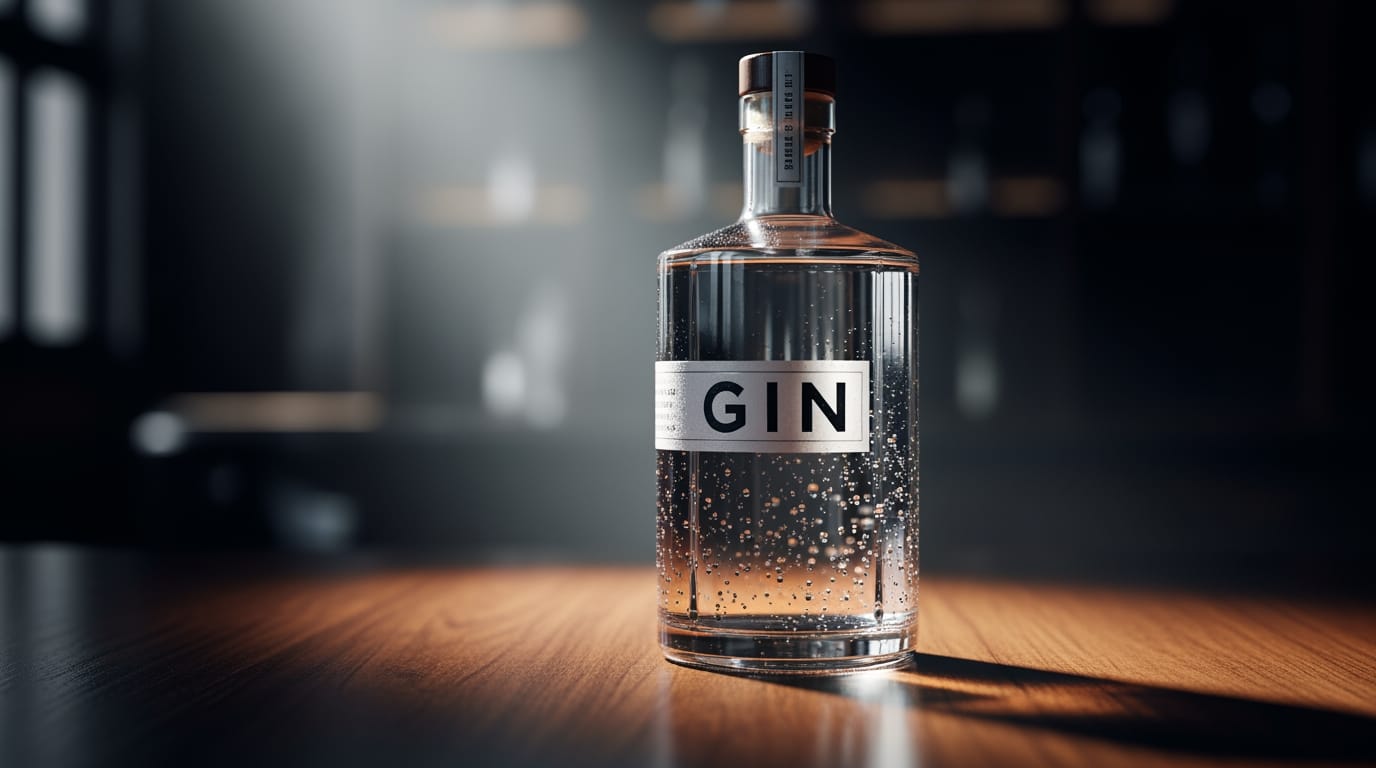
LUXEMBOURG – November 13, 2025 – In a move poised to significantly reshape the burgeoning non-alcoholic beverage market, the European Court of Justice (ECJ) has definitively ruled that products labeled as "gin" must, by law, contain alcohol. The landmark decision, handed down this Thursday, clarifies that even non-alcoholic versions of juniper-flavored spirits cannot use the term "gin," regardless of qualifying descriptors like "non-alcoholic" or "virgin." The ruling underscores the European Union's stringent regulations aimed at protecting traditional spirit definitions, safeguarding consumers from potential confusion, and ensuring fair competition within the lucrative drinks industry.
The Landmark Decision and Its Origins
The ECJ's judgment stems from a case initiated in Germany, where a German association against unfair competition, Verband Sozialer Wettbewerb, challenged PB Vi Goods, a company marketing a product under the name "Virgin Gin Alkoholfrei." The core of the dispute revolved around whether EU law permits a non-alcoholic beverage to carry the term "gin" in its labeling and presentation. PB Vi Goods had argued that the inclusion of "non-alcoholic" in the product's name was sufficient to prevent consumer misleading, an argument that a German court initially considered valid, questioning if EU regulations might infringe upon the freedom to conduct business.
However, the Luxembourg judges unequivocally rejected this interpretation. They asserted that EU law contains a "clear prohibition" on presenting and labeling a beverage as "non-alcoholic gin" simply because it lacks alcohol. The Court emphasized that the addition of qualifiers such as "non-alcoholic" is "irrelevant" in this context, as the fundamental essence of the term "gin" is inextricably linked to its alcoholic content. This ruling effectively draws a firm line in the sand, dictating that the use of "gin" is reserved exclusively for a specific alcoholic beverage that meets defined criteria.
The EU's Definition of Gin: A Question of Integrity
At the heart of the ECJ's decision lies Regulation (EU) 2019/787, which meticulously defines spirit drinks within the European Union. According to this regulation, "gin" is characterized as a juniper-flavored spirit drink produced by flavoring ethyl alcohol of agricultural origin with juniper berries (Juniperus communis L.). Crucially, the regulation mandates a minimum alcoholic strength by volume of 37.5% for any product to be legally designated as "gin."
The Court reiterated that these criteria are "non-negotiable," reinforcing the regulatory framework designed to uphold the integrity and authenticity of traditional European spirits. The EU legal framework further distinguishes between different types of gin, such as "Gin," "Distilled Gin," and "London Gin," each with its own specific production methods and compositional requirements, all presupposing the presence of ethyl alcohol. This robust definition is not merely a formality; it serves as a protective barrier, ensuring that consumers receive products consistent with established expectations and preventing the dilution of historical and cultural categories of alcoholic beverages. The ruling confirms that the primary characteristic of gin, as legally understood, is its alcoholic base, flavored predominantly with juniper.
Ripple Effects Across the Spirits Industry
The ECJ's ruling arrives amidst a period of rapid expansion in the low- and no-alcohol sector, which had reached an estimated global value of $20 billion in 2024. This decision is expected to have significant ramifications for producers who have been leveraging the "gin" moniker for their alcohol-free alternatives. While the ruling does not prohibit the sale of these non-alcoholic products, it strictly forbids them from using the term "gin" on their labels.
Consequently, manufacturers of juniper-flavored zero-ABV beverages will be compelled to re-evaluate their branding and marketing strategies within the EU. They will likely need to adopt alternative descriptors such as "gin alternative," "botanical spirit," "juniper-flavored drink," or similar terms to comply with EU law. This necessity for rebranding could incur significant costs and require strategic shifts in how these products are positioned to consumers. The Gin Guild, an international industry body, has previously taken action against products deemed to be contravening the rules, indicating a broader industry sentiment to protect the category. The ruling is therefore welcomed by traditional gin producers who see it as a measure to preserve the clarity of the category and safeguard the value and reputation built over centuries.
Consumer Protection and the Broader Nomenclature Battle
Beyond industry implications, a primary objective of the ECJ's ruling is consumer protection. By reserving the term "gin" for alcoholic spirits meeting specific criteria, the Court aims to protect consumers from confusion regarding the composition of products and prevent deceptive marketing practices. This clarity ensures that when a consumer purchases "gin," they can be confident they are acquiring a product that adheres to a well-established standard of alcoholic content and flavor profile.
This decision is not an isolated incident but rather fits into a broader pattern of ECJ jurisprudence concerning food and drink nomenclature. The Court has previously intervened to define and protect specific product terms. For instance, in 2017, the ECJ ruled that terms like "milk" and "butter" could only be applied to animal-derived products, effectively preventing their use for plant-based alternatives. Similarly, in 2018, the Court denied KitKat's attempt to trademark its four-fingered wafer shape, emphasizing the importance of distinctiveness in product identity. There are ongoing legislative discussions within the EU Parliament regarding further tightening of food labeling rules, potentially outlawing terms like "burger" and "sausage" for plant-based foods, though negotiations are ongoing with member states.
However, the regulatory landscape is not uniformly strict. In a notable contrast, the EU recently relaxed its rules on the naming of non-alcoholic wines, allowing them to be described more simply rather than requiring cumbersome phrases like "fully and partially de-alcoholised" wines. This divergence highlights the nuanced and often complex nature of defining product categories, especially when balancing tradition, consumer expectation, and emerging market trends.
Preserving Tradition Amidst Innovation
The ECJ's ruling on "gin" reflects a continuing effort by European regulators to uphold the integrity of traditional spirit drinks in the face of evolving consumer preferences and innovative product development. While the rapidly growing low- and no-alcohol sector caters to a significant demographic of health-conscious consumers and those reducing their alcohol intake, the Court has clearly prioritized the established legal definitions and consumer understanding of what constitutes a "gin."
This decision reinforces the principle that while innovation is encouraged, it must operate within the boundaries of clearly defined and legally protected product categories. Producers of non-alcoholic alternatives will now need to focus their creativity on developing distinct branding and terminology that effectively communicates their product's characteristics without infringing on established spirit names. The ruling sets a precedent for how other traditional alcoholic beverages might be protected from similar semantic dilution, ensuring that for gin, at least in the European Union, alcohol remains a non-negotiable ingredient.


