Evergrande Founder Hui Ka Yan Sentenced to Life in Prison, Marking End of Tycoon's Empire
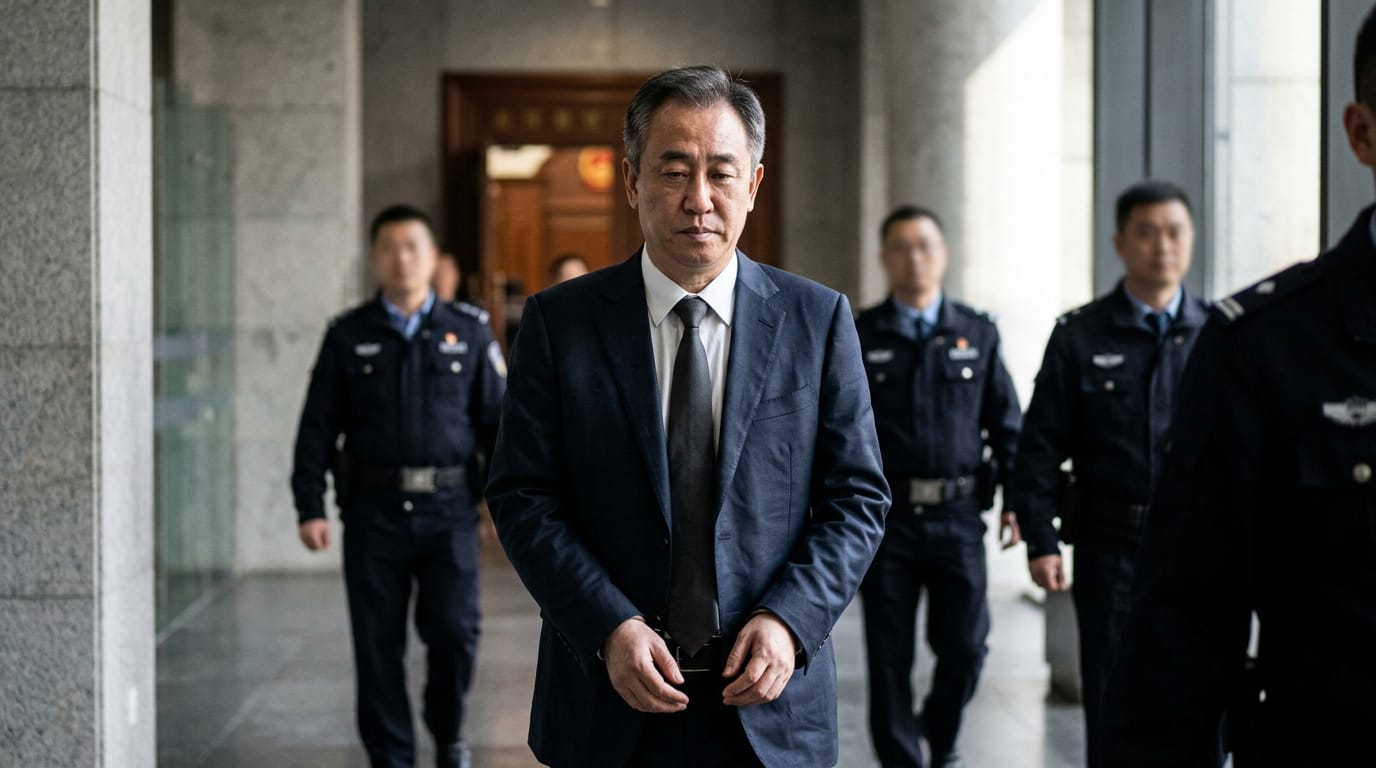
SHENZHEN, China – Hui Ka Yan, the once-omnipotent founder and former chairman of China Evergrande Group, was today sentenced to life in prison by a Shenzhen court, culminating a dramatic fall from grace that mirrored the unprecedented collapse of his real estate empire. The verdict, handed down nearly five years after Evergrande first defaulted on its massive debts, signifies a forceful declaration by Chinese authorities against corporate malfeasance that contributed to the nation's profound property sector crisis. The court ordered the confiscation of all of Hui’s personal property, alongside substantial fines levied against Evergrande Group and its primary onshore subsidiary, Hengda Real Estate, for a litany of financial crimes.
The sentencing of Hui Ka Yan draws a definitive close to a rags-to-riches narrative that captivated China for decades, transforming him from a steelworker into one of Asia's wealthiest individuals. His ambition propelled Evergrande to become China's largest property developer, but its aggressive expansion fueled by colossal borrowing ultimately led to an epic downfall that sent shockwaves through global financial markets. The court's ruling underscored the severity of the offenses, describing the amount involved as "exceptionally large" and the circumstances "particularly heinous," causing "exceptionally heavy economic losses" and "extremely grave" harm to society.
The Charges and the Conviction
The Shenzhen Intermediate People's Court found Hui Ka Yan guilty of "multiple combined crimes," including massive financial fraud. Key charges brought against the former tycoon involved inflating assets, concealing liabilities, illegally absorbing public deposits, fundraising fraud, fraudulent issuance of securities, corporate bribery, and embezzling company assets through dividend mechanisms. According to court statements, these illegal activities spanned from 2016 to 2021, a period coinciding with Evergrande's most rapid growth and subsequent financial unraveling.
Evergrande Group received a fine of 8.82 billion yuan (approximately $1.31 billion USD), while its subsidiary, Hengda Real Estate, was fined 7 billion yuan (approximately $1.04 billion USD). In addition to the life sentence, Hui was permanently deprived of his political rights. The court also publicly ruled on cases involving 56 other Evergrande personnel, including his sons Xu Zhijian and Xu Tenghe, with sentences ranging from 22 months to 18 years, coupled with fines or property confiscations. Hui had pleaded guilty in April 2026 to several charges, expressing regret for his actions.
From Tycoon to Convict: Hui Ka Yan's Meteoric Rise and Fall
Born in rural Henan province in 1958, Hui Ka Yan (also known as Xu Jiayin) rose from humble beginnings, working in a steel factory before venturing into real estate in the 1990s. He founded Evergrande Group in 1996, transforming it into a colossal enterprise spanning real estate, electric vehicles, and even bottled water. Under his leadership, Evergrande became a symbol of China's booming property market, known for its rapid construction, aggressive marketing, and high leverage. Hui himself amassed a personal fortune estimated at $45.3 billion at its peak, making him one of Asia's richest men.
However, this aggressive growth was built on a foundation of accumulating immense debt. Evergrande's business model relied heavily on pre-selling apartments and using the proceeds to fund new projects, creating a precarious financial structure. By 2020, as Beijing intensified its crackdown on excessive borrowing in the property sector with the "three red lines" policy, Evergrande found itself unable to manage its liabilities. Hui's personal wealth dramatically diminished, falling from tens of billions to under a billion dollars by late 2023.
The Crisis that Rocked China's Economy
Evergrande's troubles escalated dramatically in 2021 when it defaulted on its offshore bond payments, revealing liabilities exceeding $300 billion, making it the world's most indebted property developer. This default triggered a widespread crisis of confidence across China's property sector, leading to liquidity crunches, project delays, and defaults by numerous other developers. The economic fallout has been significant, contributing to a downturn in the broader Chinese economy and leaving countless homebuyers with unfinished apartments and investors facing heavy losses.
Investigations by authorities in Hong Kong and mainland China revealed that Evergrande had manipulated its financial data, overstating revenue by approximately $78 billion over 2019 and 2020 through tactics such as prematurely booking revenue from uncompleted property sales. In March 2024, Hui Ka Yan was fined $6.5 million and banned for life from China's capital markets due to these financial misstatements. The company itself entered liquidation in January 2024 after failing to negotiate a restructuring deal with creditors. Liquidators are now pursuing legal action against Hui and other former executives to recover approximately $6 billion.
A Clear Message on Corporate Accountability
Hui's sentencing serves as a stark warning to corporate executives in China, signaling Beijing's resolve to impose severe penalties for financial crimes, particularly those that undermine economic stability and public trust. His detention in late 2023 under suspicion of illegal activity marked a turning point in the legal proceedings against him. The prosecution's aggressive stance underscores the government's commitment to holding individuals accountable for corporate failures, rather than solely focusing on the companies themselves.
The verdict comes at a time when China's property market continues to grapple with significant challenges. While the sentencing of Hui Ka Yan may not offer immediate solace to the vast array of Evergrande's creditors—both domestic and international—who are still navigating the complex liquidation process, it reinforces the government's stance on maintaining order and discouraging reckless financial practices within its critical economic sectors.
The life imprisonment of Hui Ka Yan closes a tumultuous chapter in China's economic history, symbolizing the definitive end of an era marked by rapid, debt-fueled growth in the property sector. His dramatic downfall from a celebrated tycoon to a convicted criminal sends an unequivocal message about the consequences of corporate misconduct and the unwavering pursuit of accountability by Chinese authorities. The ripple effects of Evergrande's collapse continue to be felt, but for its founder, the legal saga has reached its conclusive and most severe outcome.