Ex-President of Peru, Ollanta Humala, Sentenced to 15 Years for Money Laundering
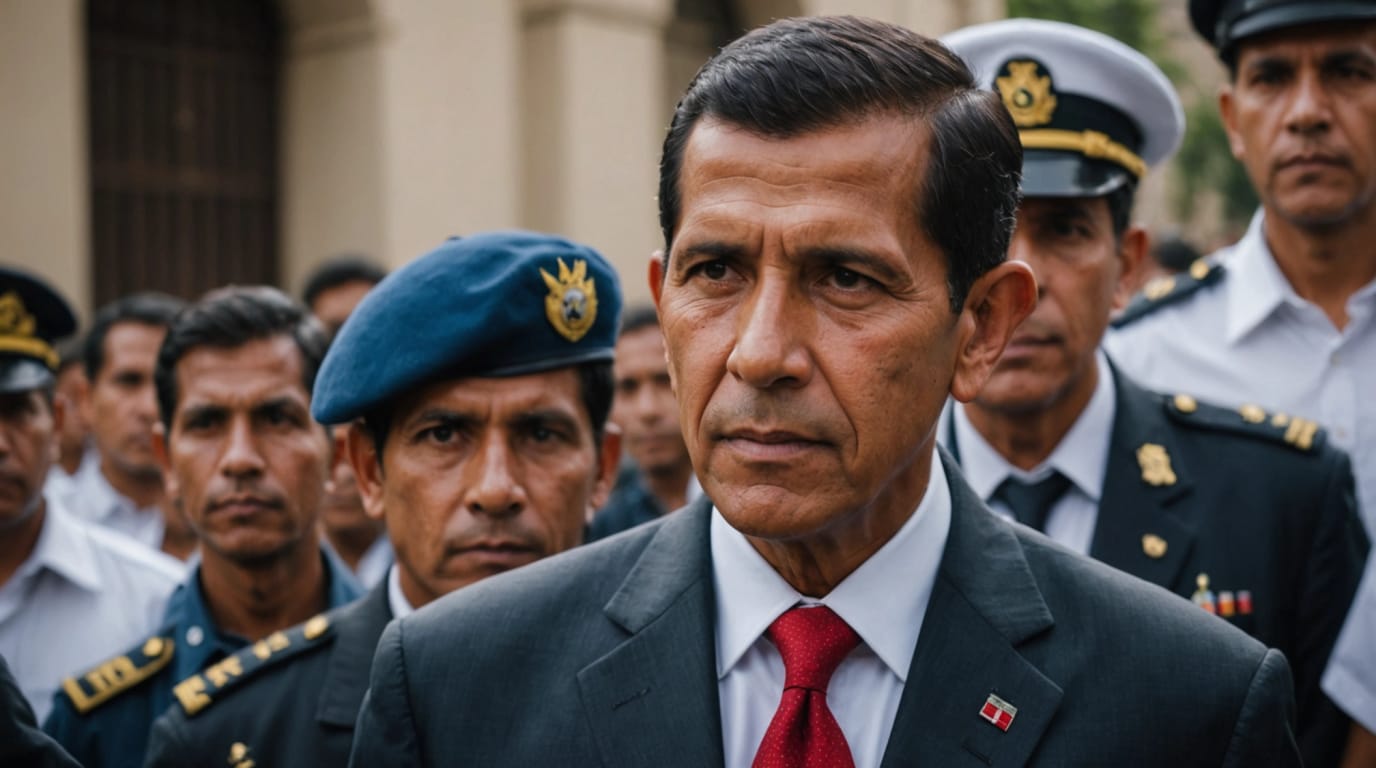
LIMA, Peru – Former Peruvian President Ollanta Humala and his wife, Nadine Heredia, were sentenced to 15 years in prison Tuesday after being found guilty of laundering millions of dollars received from a Brazilian construction giant to fund Humala's presidential campaigns. The verdict marks a significant moment in Peru's ongoing battle against corruption, making Humala the third former president in the last two decades to be imprisoned on corruption charges.
The National Superior Court's judges determined that Humala and Heredia accepted illicit contributions from Odebrecht, a Brazilian construction conglomerate implicated in widespread bribery across Latin America, and from the government of then-Venezuelan President Hugo Chávez. The funds were used to finance Humala's 2006 and 2011 presidential campaigns. The sentencing underscores the deep-seated issues of corruption that have plagued Peruvian politics for years.
Details of the Case
The investigation into Humala began in 2015, a year before Odebrecht publicly admitted to engaging in bribery on a massive scale throughout Latin America. The trial itself commenced in 2022, involving Humala, his wife, and eight other defendants. The prosecution presented evidence demonstrating that Humala and Heredia received millions of dollars in illegal funds, which were then laundered through various channels to conceal their origin and use.
Odebrecht's admission in 2016 of widespread bribery throughout Latin America served as a catalyst for investigations into numerous politicians and government officials across the region, including in Peru. The company confessed to paying bribes in exchange for lucrative public works contracts, implicating high-ranking officials in multiple countries.
Implications for Peruvian Politics
Humala's conviction is the latest in a series of corruption scandals that have shaken Peru's political establishment. Most of the presidents who have governed Peru since 2001 have faced legal problems due to their connections with Odebrecht. Former President Alejandro Toledo was sentenced in 2024 to 20 years for Odebrecht-related crimes. Alberto Fujimori has received multiple convictions for corruption and human rights abuses. Former President Pedro Pablo Kuczynski is currently under house arrest. Alan García, who served two non-consecutive terms as president, died by suicide in 2019 as authorities moved to arrest him in connection with Odebrecht bribes.
Beyond former presidents, prominent figures like former presidential candidate Keiko Fujimori and numerous ex-governors are also under investigation for corruption. The widespread nature of these investigations highlights the systemic challenges Peru faces in combating corruption and promoting transparency in government.
The Odebrecht Scandal's Reach
The Odebrecht scandal has had far-reaching consequences throughout Latin America, exposing a web of corruption that has implicated politicians, government officials, and business leaders in multiple countries. The Brazilian construction giant admitted to paying hundreds of millions of dollars in bribes to secure contracts, fueling investigations and prosecutions across the region.
The scandal has led to increased scrutiny of public works projects and government procurement processes, as well as calls for greater transparency and accountability in the awarding of contracts. It has also prompted efforts to strengthen anti-corruption laws and institutions in several countries.
Humala's Legacy
Ollanta Humala, a former military officer, rose to prominence in Peruvian politics as a left-leaning nationalist. He served as president of Peru from 2011 to 2016, during a period of economic growth and social change. However, his administration was also marked by allegations of corruption and controversy.
Humala's conviction for money laundering casts a shadow over his legacy and underscores the challenges of maintaining integrity in public office. It also serves as a reminder of the importance of holding leaders accountable for their actions and upholding the rule of law.
The sentencing of Humala and his wife marks a significant step in Peru's fight against corruption. While the road ahead remains challenging, the conviction sends a message that no one is above the law and that those who engage in corruption will be held accountable. The case also highlights the need for continued efforts to strengthen anti-corruption institutions, promote transparency, and foster a culture of integrity in government and business.


