Ex-Rapper Balendra Shah Takes Helm as Nepal's Prime Minister, Ushering in New Political Era
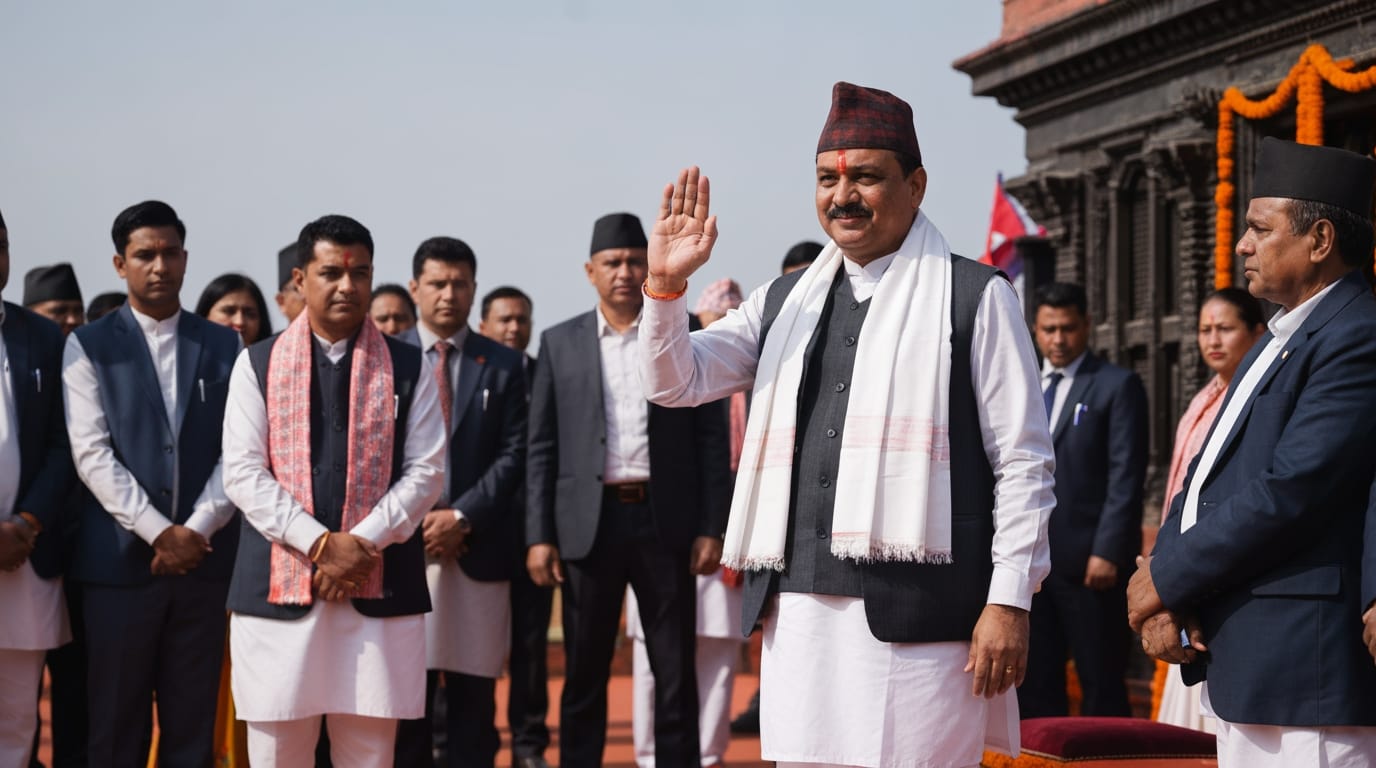
Kathmandu, Nepal – In a seismic shift in Nepali politics, Balendra Shah, widely known as "Balen," a 35-year-old former rapper and structural engineer, was sworn in as the Prime Minister of Nepal today, Friday, March 27, 2026. This historic ascension marks a profound departure from the country's entrenched political establishment, signaling a new era driven by youth, reform, and a powerful anti-corruption mandate. Shah's rise, from an independent mayor of the capital to leading the nation, follows a landslide victory for his Rastriya Swatantra Party (RSP) in the recent parliamentary elections, captivating a populace yearning for change.
From Rhymes to Reigns: An Unconventional Path to Power
Balendra Shah's journey to the highest office is a testament to the evolving political landscape in Nepal, where traditional party lines are increasingly being challenged by charismatic outsiders. Before his political career, Shah was recognized for his vibrant presence in Nepal's hip-hop scene, crafting lyrics that often resonated with public frustrations over corruption and inequality. His background as a structural engineer further lent him an image of practicality and problem-solving, a stark contrast to the often-criticized career politicians.
Shah first burst onto the political scene in 2022, securing an unexpected victory as an independent candidate for the mayoral position of Kathmandu Metropolitan City. This initial win was a significant moment, demonstrating a burgeoning public appetite for alternatives to the dominant political parties. As mayor, he quickly garnered attention for his direct approach to governance, implementing initiatives aimed at improving transparency and public services. His administration live-streamed municipal council meetings and introduced digital permits to curb bureaucratic delays and corruption, winning him considerable public favor. However, his tenure was not without controversy, facing scrutiny over actions such as the demolition of illegally constructed structures and the handling of squatter settlements.
The People's Platform: Campaigning on a Promise of Change
Shah's transition from local leader to national figure was swift and impactful, largely fueled by a wave of youth-led discontent. His decision to resign as Mayor of Kathmandu in January 2026 and formally join the Rastriya Swatantra Party (RSP) in December 2025 set the stage for his national political bid. The RSP, itself a relatively new political force, capitalized on the widespread disillusionment with established parties, particularly after the 2025 Nepalese Gen Z protests. This anti-corruption uprising, which began over social media bans but quickly escalated to address deep-seated economic grievances, had toppled the previous government and created a vacuum for new leadership.
Shah's campaign, heavily reliant on social media and podcast appearances, bypassed traditional political networks and directly engaged younger voters and reform-oriented activists. His core messages resonated deeply: anti-corruption measures, government transparency, urban governance reforms, and improved waste management and traffic control. He campaigned alongside RSP president Rabi Lamichhane, a former television host, and together they presented a formidable challenge to the status quo. The strategy proved incredibly successful, with the RSP securing a commanding majority of 182 out of 275 seats in the House of Representatives in the March 5 elections.
Breaking the Mold: Defying Political Giants
One of the most striking aspects of Shah's victory was his ability to unseat political heavyweights. Running from the Jhapa constituency-5, he defeated former Prime Minister KP Sharma Oli, a prominent figure and chairman of the CPN-UML, in what was considered Oli's stronghold. This triumph underscored the electorate's rejection of long-dominant political parties and their willingness to embrace fresh faces.
At 35 years old, Shah now holds the distinction of being Nepal's youngest Prime Minister in decades. His diverse background also marks another first: he is the first leader from the Madhesi community, originating from Nepal's southern plains bordering India, to hold the nation's top executive post. His swearing-in ceremony, held at the President's Office, Sheetal Niwas, was a blend of tradition and new beginnings, incorporating shankhanaad (blowing of conch shells) and recitations by Hindu priests and Buddhist monks. Messages of congratulations poured in, including from Indian Prime Minister Narendra Modi, who expressed eagerness to work closely to deepen India-Nepal ties.
A New Chapter for Nepal: Hopes and Challenges
Balendra Shah's premiership signifies a critical juncture for Nepal, a nation grappling with persistent issues of corruption, economic hardship, and political instability. His meteoric rise, largely propelled by youth support and social media activism, indicates a powerful desire among the populace for accountability and good governance.
The expectations placed upon Shah and his young cabinet are immense. His administration faces the daunting task of delivering on promises of ending corruption, establishing good governance, creating jobs, fostering economic development, and ensuring social justice. His unique political trajectory and popular mandate offer a potent opportunity to reshape Nepal's political discourse and potentially inspire a new generation of leaders. The coming months will be crucial in determining whether this ex-rapper turned Prime Minister can translate the fervent hope of his supporters into tangible, lasting reforms for the Himalayan nation.
The political establishment, long dominated by seasoned politicians, now finds itself navigating an unprecedented challenge from a leader who bypassed traditional power structures. Shah's success story serves as a compelling narrative of how a blend of grassroots appeal, digital campaigning, and a clear anti-establishment stance can disrupt established political orders. As Nepal embarks on this new chapter, the world watches to see if Balendra Shah can effectively steer the nation towards a future of greater transparency, stability, and prosperity.


