Exiled Russian Dissident Artist Murdered in Poland, Political Assassination Suspected
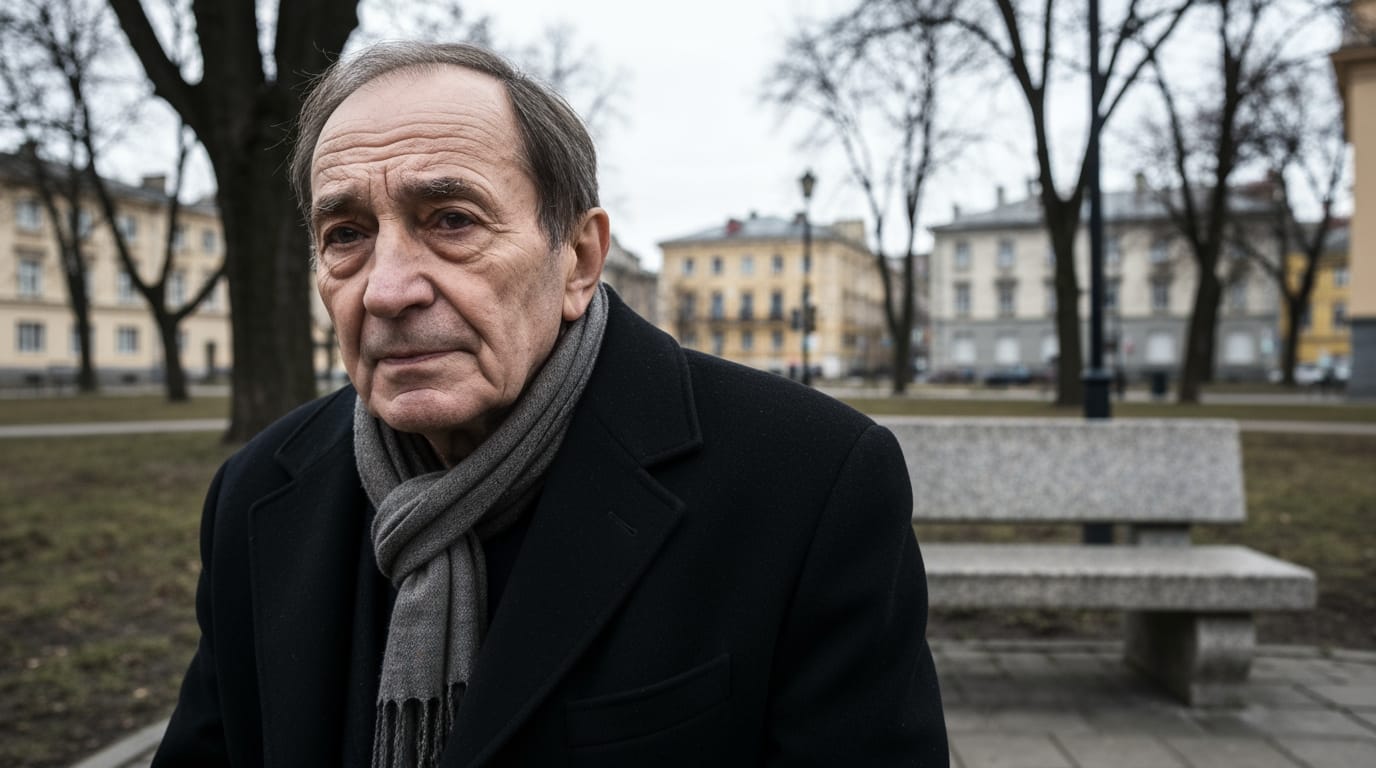
BIAŁA PODLASKA, Poland – Semyon Skrepezki, a prominent 44-year-old Russian dissident artist known for his scathing caricatures of Vladimir Putin and other authoritarian leaders, was shot dead in an execution-style killing on Monday morning in Biała Podlaska, eastern Poland. The brazen assassination, which occurred near his home, has sent shockwaves through the exiled opposition community and prompted Polish authorities to launch an intensive investigation, with Prime Minister Donald Tusk suggesting the act was likely a "political assassination" and could be an act of "state terrorism" if ordered by Russia. Skrepezki, whose real name was Robert Kuzovkov, had lived in Poland since 2021 after fleeing Russia due to fears of political persecution, and his death immediately raised concerns about the safety of Kremlin critics living abroad.
The Homicide and Immediate Aftermath
The fatal shooting unfolded shortly before 10 a.m. in a residential area of Biała Podlaska. Investigators reported that an assailant approached Skrepezki on a pedestrian path and opened fire. Three shots were initially fired, and after the artist fell to the ground, the attacker reportedly moved closer and fired two more times, resulting in five gunshot wounds, including injuries to the chest and head. This methodical approach to the killing has led investigators to believe the gunman intended to ensure the victim's death, though authorities have refrained from officially labeling it an execution. Paramedics responding to the scene were unable to save Skrepezki. Following the incident, Polish police initiated a widespread search operation, setting up checkpoints and collecting forensic evidence from the scene, including surveillance footage. The victim's family, including his wife and four children, were reportedly placed under protection after the killing.
A Life of Artistic Dissent
Semyon Skrepezki had established himself as a fierce critic of the Russian government through his provocative and often darkly humorous artwork. His satirical pieces frequently targeted Russian President Vladimir Putin, Belarusian leader Alexander Lukashenko, and Chechen leader Ramzan Kadyrov, lampooning authoritarianism and the cult of personality surrounding these powerful figures. Skrepezki's artistic medium often involved oil paintings and public performances, some influenced by Russian Orthodox iconography, which he used to convey his political views. He had gained notoriety in Russia for his caricatures before his exile, and he continued his activism from Poland. Just three days before his murder, Skrepezki had staged a high-profile protest in Berlin outside the Russian embassy on Russia Day. During this demonstration, he displayed an icon-like caricature depicting a composite figure of Joseph Stalin and Vladimir Putin, an act that garnered significant attention within Russian opposition circles and online. Reports indicate that Skrepezki had previously received threats due to his activism, including from supporters of Chechen leader Ramzan Kadyrov. Interestingly, while primarily known for his anti-Kremlin stance, Skrepezki also reportedly criticized Ukrainian authorities and was listed in Ukraine's Myrotvorets database, which designates individuals accused of crimes against Ukrainian national security.
The Investigation Unfolds: Detentions and Suspects
The immediate aftermath of the shooting saw rapid developments in the police investigation. Initially, two Belarusian citizens were detained near the Belarusian consulate in Biała Podlaska on Tuesday. However, these individuals were later released after authorities determined they had no connection to the murder. The investigation took a significant turn with the arrest of a new suspect near Warsaw on Thursday. Polish Interior Minister Marcin Kierwiński announced the apprehension of a 36-year-old man, who was reportedly using a Georgian passport. This individual is also suspected of involvement in other crimes in Poland dating back to 2022. Prime Minister Tusk underscored the gravity of the situation, stating that all evidence points to a "political assassination" and that investigators are actively working to determine who commissioned the killing. He further emphasized that if Russian involvement were proven, it would constitute "state terrorism." Authorities identified the suspect through analysis of surveillance footage, communications, and witness statements. The Polish government had reportedly offered Skrepezki protection, which he declined.
Broader Implications for Dissidents in Exile
The assassination of Semyon Skrepezki has ignited widespread concern among Russian dissidents and critics of authoritarian regimes living in exile, particularly across Europe. This incident painfully highlights the persistent dangers faced by individuals who continue to speak out against powerful states, even when residing far from their home countries. European security agencies have repeatedly issued warnings regarding a heightened threat environment, including potential espionage and plots targeting perceived enemies of the Russian state, particularly since Russia's invasion of Ukraine in 2022. Poland, a NATO and European Union member, has become a significant haven for political dissidents from both Russia and Belarus, as well as Ukrainian war refugees. The killing in Biała Podlaska inevitably evokes memories of past attacks on Kremlin critics and political opponents on European soil, reinforcing a pervasive atmosphere of unease among exiled activists, journalists, and artists.
The murder of Semyon Skrepezki serves as a stark reminder of the perilous existence many dissidents endure, underscoring the long reach of political animosity. As Polish authorities continue their investigation, the international community watches closely, hoping for clarity on the full circumstances surrounding this tragic event and for accountability for those responsible. The implications of this killing extend beyond the borders of Poland, raising urgent questions about the protection of free speech and the safety of those who dare to challenge powerful regimes from afar.


