Explosion at Maiduguri Mosque Claims Lives During Evening Prayers, Heightens Regional Tensions
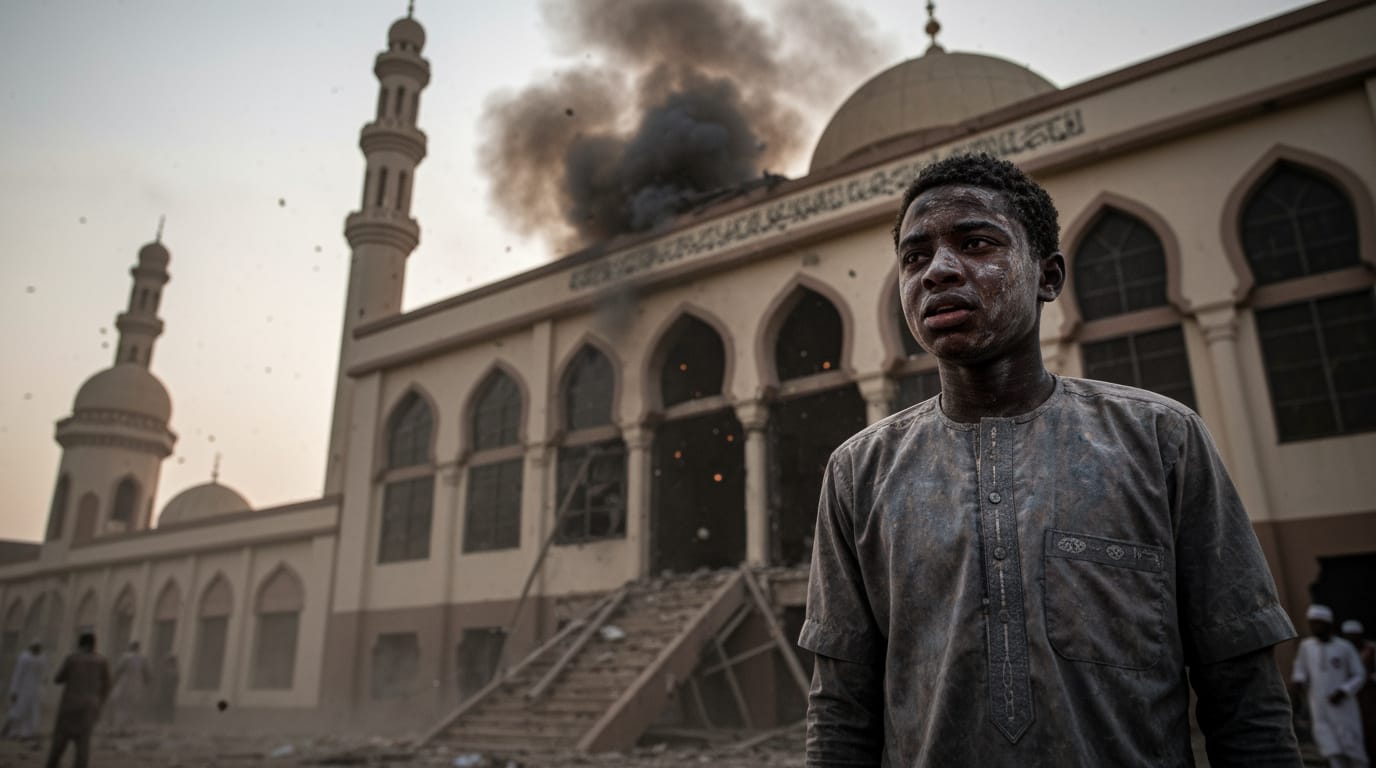
Maiduguri, Borno State, Nigeria – An explosion ripped through a mosque in Maiduguri, the capital of Nigeria’s Borno State, during evening prayers on Wednesday, December 24, 2025, claiming the lives of at least seven worshippers and leaving many more injured. The devastating attack, which witnesses described as a suspected bombing, immediately cast a somber shadow over a region already grappling with a persistent and brutal insurgency, underscoring the relentless threat posed by extremist groups to civilian populations and places of worship.
The blast occurred at the Gambarou Jumu'at Mosque, situated within the bustling Gamboru market area, as Muslim faithful gathered for the Maghrib congregational prayer. Initial reports indicate that the explosive device was detonated inside the mosque, either by a suicide bomber who infiltrated the premises or a device that had been pre-planted. A leader of a local anti-jihadist militia, Babakura Kolo, suggested it was a suspected bombing, while some witnesses described a suicide attack that unfolded shortly after the first raka'at (unit of prayer) began. The immediate aftermath was one of chaos and terror, with emergency services and residents rushing to the scene to assist the wounded and recover the dead.
A Scene of Devastation and Loss
Eyewitnesses recounted harrowing scenes of the explosion's impact. One witness, Isa Musa Yusha'u, told AFP he observed numerous victims being transported for medical treatment. Videos from the scene depicted individuals writhing in pain and what appeared to be bodies covered by sheets, highlighting the profound human cost of the attack. While early figures suggested at least seven fatalities, some mosque leaders, such as Malam Abuna Yusuf, placed the death toll at eight. The number of injured remains significant, stretching the capacities of local medical facilities. The attack not only resulted in immediate casualties but also left a community reeling from the violation of a sacred space during a moment of collective devotion.
The location of the blast, within a crowded market and during a peak prayer time, demonstrates a clear intent to inflict maximum casualties and sow widespread fear among the populace. Maiduguri, a city that has been at the heart of the Islamist insurgency for over a decade, has regrettably become accustomed to such acts of violence, though the targeting of worshippers in their mosque remains a particularly heinous tactic.
Borno's Enduring Insurgency: A Cycle of Violence
This latest attack is a grim reminder of the enduring conflict that has plagued Borno State since 2009, when Boko Haram launched its violent uprising aimed at establishing an Islamic caliphate. Despite numerous military offensives and regional cooperation efforts, the insurgency has continued, evolving and fragmenting into various factions, most notably Boko Haram (also known as Jama'atu Ahlis Sunna Lidda'awati wal-Jihad or JAS) and the Islamic State West Africa Province (ISWAP). Both groups have a history of targeting mosques, markets, and other crowded civilian areas through suicide bombings and improvised explosive device (IED) attacks.
Historically, Maiduguri has been a frequent target. Previous incidents include a 2015 mosque bombing in the city that killed 20 people and injured 90, and a 2017 attack by a female suicide bomber that killed at least eight. The European Union Agency for Asylum reported 582 security incidents in Borno State in 2020, resulting in 3,168 deaths, with the main cause of civilian fatalities being violence by Boko Haram and counter-activities by Nigerian security forces. The ongoing conflict has displaced millions and created one of the world's most severe humanitarian crises.
The Human Toll and Shattered Trust
Beyond the immediate casualties, the mosque bombing inflicts deep psychological wounds on the community. For residents of Maiduguri, attending prayers or gathering in public spaces now carries an implicit risk, fostering an environment of chronic fear and uncertainty. These attacks erode the fabric of daily life and communal trust, as places once considered safe havens become sites of terror. The human interest element in such tragedies lies in the profound disruption to normalcy and the mental health burden on survivors and the broader population. The targeting of a mosque during prayers is particularly insidious, as it aims to undermine the spiritual and social cohesion of the community.
The broader implications for Borno State are significant. The region continues to face immense humanitarian challenges, with large populations of internally displaced persons (IDPs) and persistent food insecurity. The constant threat of violence hinders recovery and development efforts, making it difficult for communities to rebuild and for displaced persons to return home safely. Attacks like these further destabilize the region, complicating the efforts of both governmental and non-governmental organizations to provide essential aid and services.
Unclaimed Responsibility and Persistent Threat
As is often the case with such attacks in northeastern Nigeria, no group immediately claimed responsibility for the bombing. However, the modus operandi—a bombing targeting a civilian gathering during evening prayers—bears the unmistakable hallmarks of Boko Haram or ISWAP, groups notorious for their indiscriminate violence. The security situation in Borno State remains complex, with Nigerian military forces, the Multinational Joint Task Force (MNJTF), and local Civilian Joint Task Force (CJTF) militias engaged in ongoing operations against these insurgent groups.
Despite claims of degrading the groups, both Boko Haram and ISWAP continue to launch deadly attacks on military targets and civilians. Recent reports suggest a resurgence of activity by the JAS faction, which often targets civilians with brutal force. The insurgents have demonstrated adaptability, employing tactics ranging from direct assaults to suicide bombings and IEDs. The porosity of borders and the vast, often inaccessible, terrains of Borno State continue to present significant challenges to security forces attempting to neutralize the threat entirely.
A Call for Enduring Peace
The explosion at the Gambarou Jumu'at Mosque is a stark reminder of the ongoing struggle for peace and stability in northeastern Nigeria. It highlights the devastating impact of extremist violence on innocent lives and the urgent need for comprehensive strategies that address not only the security threats but also the underlying humanitarian and socio-economic challenges in the region. As families mourn their dead and the injured recover, the resolve of the Maiduguri community will once again be tested. The incident underscores the critical importance of protecting civilian lives, securing places of worship, and redoubling efforts to bring an end to the protracted insurgency that continues to inflict immense suffering on the people of Borno State.


