Far-Right AfD Surges, Drawing Level with Conservatives in German Polls
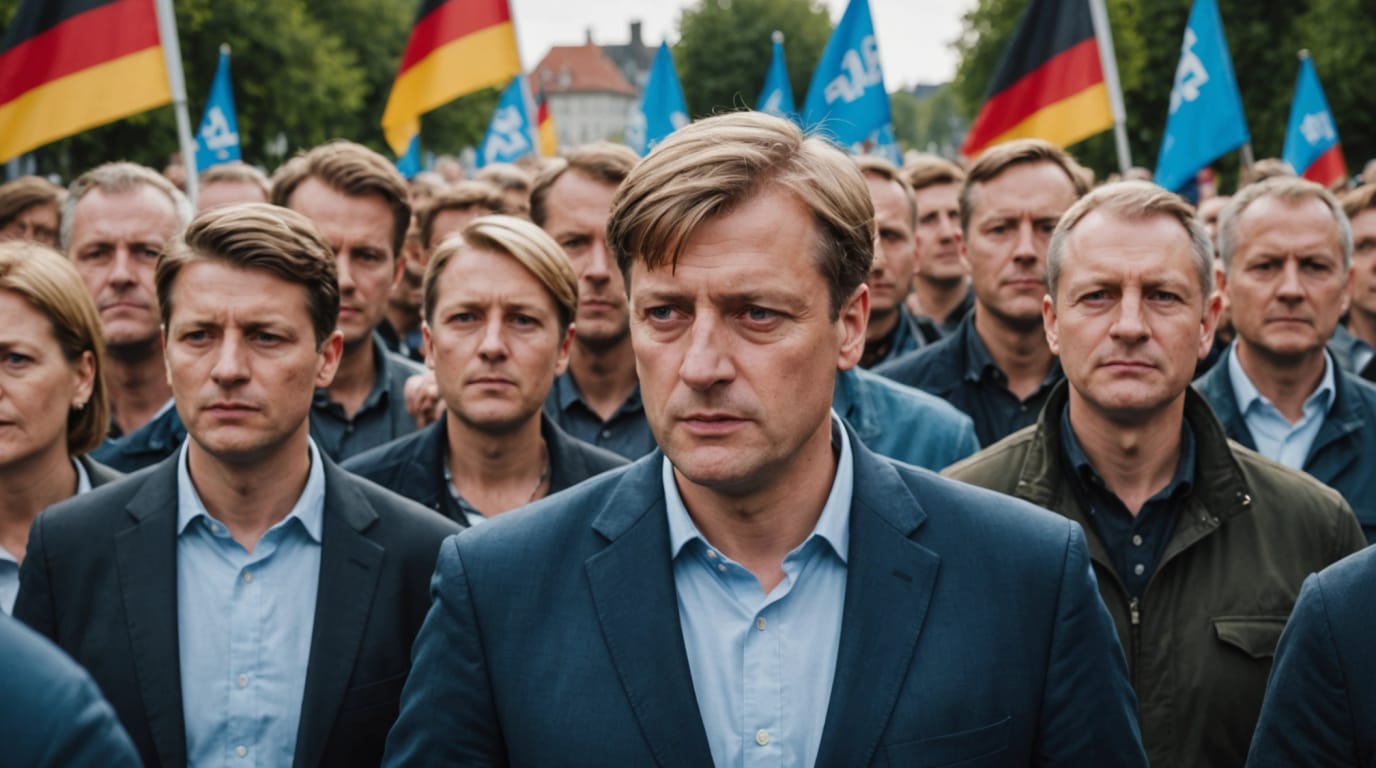
Germany's political landscape is undergoing a significant shift as the far-right Alternative for Germany (AfD) has surged in popularity, now polling neck and neck with the leading conservative alliance. This development signals a potential reshaping of German politics and raises questions about the future direction of the country.
AfD's Ascent: A Challenge to the Status Quo
Recent polls indicate a remarkable rise in support for the AfD. As of late March 2025, one poll showed the AfD reaching 23.5%, the highest value ever measured for the party in the INSA opinion trend. This puts them within striking distance of the conservative alliance between the Christian Democratic Union (CDU) and the Christian Social Union (CSU), which polled at 27%. The AfD has gained nearly three percentage points since the February 23rd election, narrowing the gap with the CDU/CSU to just 3.5 percentage points, a significant decrease from almost eight points a month prior.
The AfD's rise is not limited to national polls. In the 2025 federal election, the AfD won 20.8% of the vote, becoming the second-largest party behind the CDU/CSU. The party's success is particularly pronounced in eastern Germany, where it leads in all five states. In some eastern constituencies, the AfD has garnered nearly a third of the votes.
Factors Fueling the AfD's Popularity
Several factors contribute to the AfD's growing appeal. Voter frustration with traditional parties, concerns about immigration, and economic anxieties are key drivers. The AfD has effectively capitalized on these issues, positioning itself as an alternative to the established political order.
- Immigration: The AfD's strong anti-immigration stance resonates with voters concerned about the influx of migrants and refugees. The party advocates for stricter immigration controls, including rejecting asylum applications and implementing "remigration" initiatives to deport foreign nationals.
- Economic Concerns: Economic stagnation, rising living costs, and concerns about energy prices have fueled discontent among German voters. The AfD proposes economic overhauls, such as abandoning the euro and reintroducing the German mark.
- Disillusionment with Mainstream Parties: The AfD has successfully tapped into a sense of disillusionment with mainstream political parties. Many voters feel that their concerns are not being adequately addressed by the established political elite. The AfD is viewed by some as the only party willing to challenge the centrist consensus.
The AfD's Platform and Policies
The AfD's platform encompasses a range of policies that appeal to its voter base. These include:
- Immigration Controls: Strict measures to limit immigration and deport foreign nationals.
- Economic Overhauls: Abandoning the euro, reintroducing the German mark, and reducing bureaucracy.
- Foreign Policy Changes: Questioning Germany's role in NATO and advocating for closer ties with Russia.
- Reversing Energy Transitions: Dismantling wind turbines and returning to nuclear energy.
Implications for German Politics
The AfD's surge has significant implications for German politics.
- Coalition Formation: The AfD's rise complicates coalition formation. Mainstream parties have so far refused to cooperate with the AfD, making it difficult to form a stable government.
- Shift in Political Discourse: The AfD's success has shifted the political discourse in Germany, with mainstream parties increasingly addressing issues such as immigration and national identity.
- Impact on EU Unity: The AfD's Eurosceptic stance could strain Germany's relationship with the European Union and weaken support for EU initiatives.
Challenges and Controversies
Despite its growing popularity, the AfD faces numerous challenges and controversies.
- Extremism Allegations: The AfD has been classified as a "suspected extremist" organization by Germany's domestic intelligence agency. The party has faced scrutiny over its ties to anti-democratic networks and right-wing extremist groups.
- Internal Divisions: The AfD has experienced internal divisions and leadership struggles, which could undermine its stability and effectiveness.
- Social Stigma: The AfD's far-right ideology and controversial statements have led to social stigma and protests against the party.
The Path Forward
The AfD's rise presents a complex challenge for Germany. Mainstream parties must address the concerns of voters who are drawn to the AfD's message while upholding democratic values and principles. The future of German politics will depend on how these challenges are navigated.
The most likely scenario following the recent election is a coalition between the CDU/CSU and the Social Democrats (SPD), a so-called "Grand Coalition". This configuration has governed Germany various times under Angela Merkel between 2005 and 2021. However, the growing strength of the AfD will continue to exert pressure on the political landscape, shaping the debate on key issues and influencing the direction of the country.


