Fatal Shark Attack Off Rottnest Island Shakes Western Australia Coast
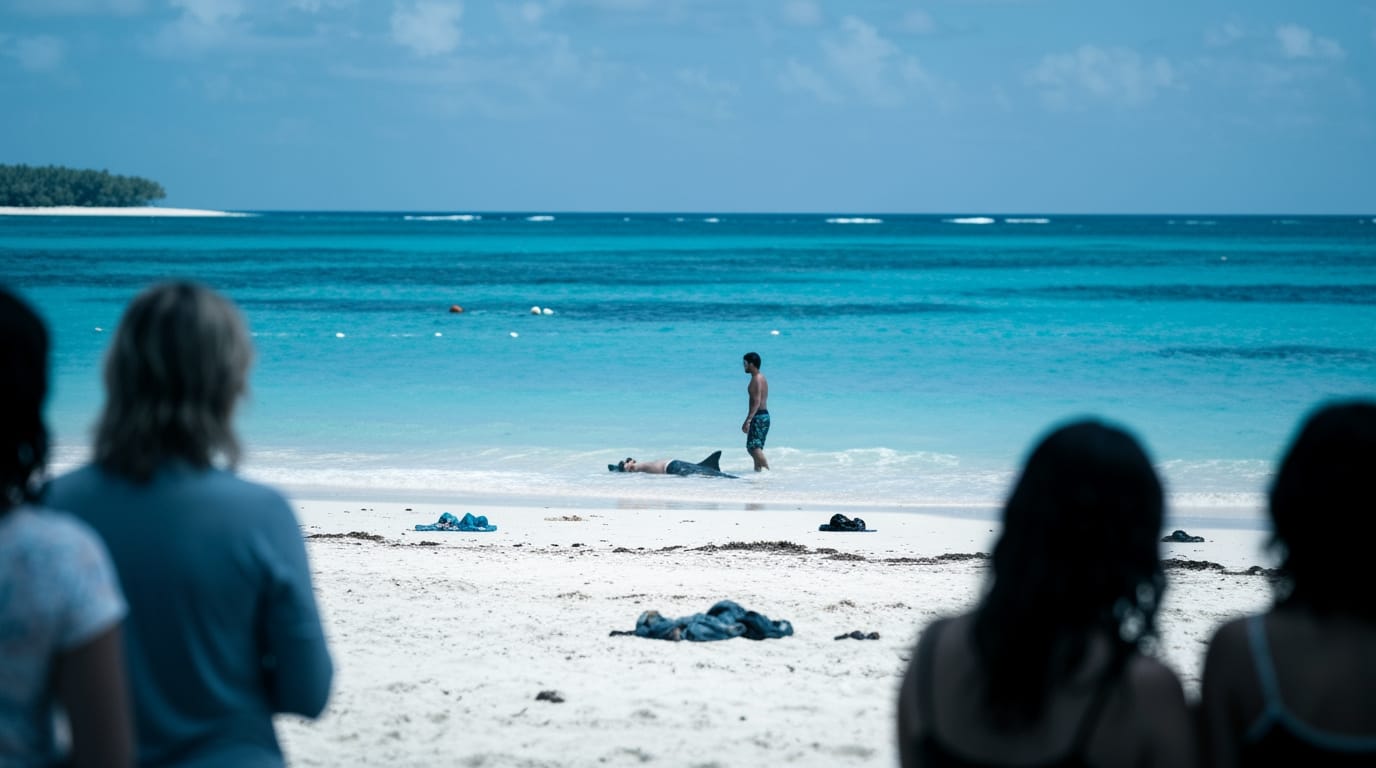
Perth, Western Australia – A popular holiday destination off the coast of Perth has been rocked by tragedy after a 38-year-old man died following a suspected shark attack at Horseshoe Reef, near Geordie Bay, on Saturday morning. The incident marks the second fatal shark attack in Australian waters this year, prompting renewed calls for caution among ocean enthusiasts.
Emergency services, including St John WA paramedics and police, converged on the scene after reports of the attack emerged around 9:55 AM AWST. Despite frantic efforts to revive the man upon his transport to shore at Geordie Bay, he was pronounced deceased.
The Tragic Morning at Horseshoe Reef
The serene waters surrounding Rottnest Island, a beloved tourist haven situated 19 kilometers off Fremantle, turned deadly when the man, whose identity has not yet been publicly released, was attacked. Authorities confirmed that a five-meter white shark was sighted approximately 80 meters offshore around the time of the incident, leading to the belief that it was responsible for the fatal mauling.
Upon notification, a rapid emergency response was initiated. A rescue helicopter was dispatched to the island with intentions of evacuating the critically injured man to a mainland hospital. However, he was instead conveyed by boat to a jetty at Geordie Bay, where paramedics and police personnel were already awaiting. Television news footage captured the harrowing scene of first responders desperately performing CPR in an attempt to save his life, but their efforts ultimately proved unsuccessful. Western Australian Police have commenced an investigation, and a report will be prepared for the Coroner.
Rottnest Island: A Popular Yet Perilous Paradise
Rottnest Island, spanning 11 kilometers in length and 4.5 kilometers in width, is renowned for its pristine beaches, clear waters, and unique wildlife, drawing hundreds of thousands of visitors annually. The island's accessibility from Perth makes it a favored spot for swimming, snorkeling, and other water activities. The Department of Primary Industries and Regional Development (DPIRD) has since issued an alert, urging individuals to exercise extreme caution when in the waters of the Geordie Bay area. A DPIRD patrol vessel has also been deployed to monitor the vicinity.
While shark encounters are statistically rare, the presence of large marine predators, including great white sharks, in Australian waters is well-documented. These apex predators are natural inhabitants of the ocean ecosystem. The incident at Rottnest Island serves as a stark reminder of the inherent risks associated with entering their habitat.
A Concerning Trend in Australian Waters
This recent fatality follows closely on the heels of another tragic shark attack earlier this year, when a 12-year-old boy, Nico Antic, died in January after being bitten by a shark in Sydney Harbour. Australia has consistently recorded a significant number of fatal shark incidents globally. Research indicates that Australia registered the highest number of fatal shark attacks worldwide last year.
Overall, the Australian Shark-Incident Database shows 59 fatal shark attacks in Australia since 2000, with 24 of these occurring since 2020. Experts point to several factors contributing to observed increases in shark interactions over the past two decades, including a growing human population engaging in water-based recreation and potential shifts in marine ecosystems and shark migratory patterns. Historically, the great white, tiger, and bull shark species are responsible for the vast majority of fatal encounters.
Mitigation Efforts and Safety Recommendations
Governments and marine agencies across Australia continually work to enhance swimmer safety through various mitigation strategies. These include traditional shark nets in some popular areas, "SMART" drumlines designed to catch, tag, and relocate sharks, and aerial surveillance using drones and helicopters to spot sharks and issue real-time warnings to beachgoers. Public education campaigns also play a crucial role in promoting shark-smart behavior.
Marine authorities and surf life-saving organizations routinely issue guidelines for reducing the risk of shark encounters. These recommendations include swimming at patrolled beaches between the red and yellow flags, avoiding swimming during dawn, dusk, or night when sharks are often more active, and steering clear of murky waters, river mouths, and areas where bait fish or feeding activity is observed. Additionally, individuals are advised to avoid swimming alone or with open wounds.
The incident at Rottnest Island underscores the unpredictable nature of marine environments and the importance of adhering to safety advice issued by authorities. As investigations continue, the community mourns the loss, reinforcing the need for ongoing vigilance and respect for Australia's vast and diverse ocean habitats.


