Fatal Shark Attack Rocks Queensland Coast as Australia Grapples with Rising Incidents
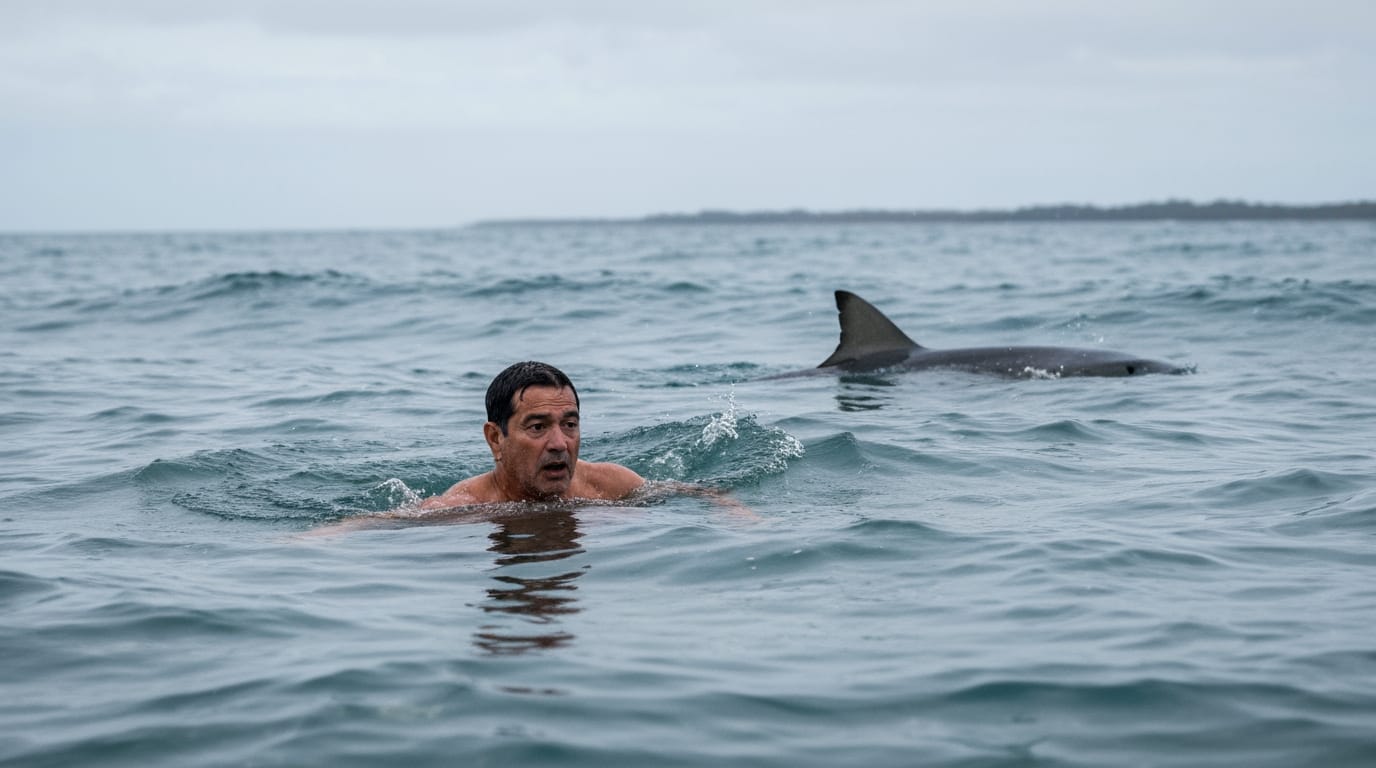
A 39-year-old man died yesterday following a shark attack off Kennedy Shoal, a popular fishing and diving spot near Tully Heads in Far North Queensland. The tragic event marks the latest in a series of fatal shark encounters along Australia's eastern coastline, fueling renewed concerns among authorities and the public regarding ocean safety. The incident, which occurred on Sunday, May 24, 2026, prompted a rapid emergency response, but efforts to save the man were unsuccessful.
The Queensland Tragedy Unfolds
Emergency services were alerted just before noon on Sunday after reports of a shark attack at Kennedy Shoal, a shallow reef approximately 45 to 50 kilometers off the coast, situated between Cairns and Townsville. The 39-year-old victim, whose identity has not yet been publicly released, was reportedly engaged in fishing or diving activities when the attack occurred. A boating group retrieved the man from the water and transported him to the Hull River Heads boat ramp, near the town of Tully. Paramedics were at the ramp to provide immediate assistance, but despite their efforts, the man succumbed to his injuries shortly after being brought ashore. Queensland Police have stated they will prepare a report for the coroner regarding the sudden and non-suspicious death. The specific type of shark involved in the fatal incident remains unknown, though bull sharks and tiger sharks are known to inhabit the Great Barrier Reef waters.
A Troubling Pattern Along the East Coast
This latest fatality underscores a concerning trend of shark attacks across Australia's eastern seaboard. The incident comes barely a week after a 38-year-old man, Steven Mattaboni, died in a shark attack near Rottnest Island in Western Australia on May 16, marking the country's second fatal shark attack within days. However, the eastern states have experienced their own significant share of recent tragedies.
In November 2025, a devastating "double shark attack" at Kylies Beach within Crowdy Bay National Park on New South Wales' Mid North Coast resulted in the death of a woman and serious injury to a man, both in their twenties. Witnesses provided aid to the pair, but the woman died at the scene, while the man was airlifted to John Hunter Hospital in critical condition, his life potentially saved by a bystander who applied a makeshift tourniquet. Authorities identified a large bull shark as the likely culprit in that incident, which occurred just after dawn.
Earlier in 2025, February saw the death of 17-year-old Charlize Zmuda after a shark attack while she was swimming off Woorim Beach at Bribie Island, in southern Queensland. The teenager sustained severe upper body injuries and died soon after being pulled from the water.
The previous year, September 2025, witnessed the fatal attack on 57-year-old surfer Mercury Psillakis at Long Reef in Sydney, where a great white shark was believed responsible. Psillakis reportedly warned other surfers of the shark's presence before being tragically attacked.
The beginning of 2026 also brought grim news, as 12-year-old Nico Antic died in January after a bull shark mauled him near Vaucluse in Sydney Harbour. This incident, part of a cluster of four shark encounters in two days, led to the temporary closure of dozens of beaches across Sydney's northern suburbs, intensifying public debate over shark management.
These events highlight that Australia, historically known for a relatively low number of fatal shark attacks compared to the frequency of encounters, is experiencing a period of heightened activity. According to the Australian Shark-Incident Database, between 1791 and January 2026, there were 312 fatal shark attacks in Australia, with 59 confirmed fatal attacks since 2000, including 24 since 2020. The majority of shark attacks occur along Australia's east and southeast coasts, with an average of about 20 incidents recorded each year, though most are not fatal.
Expert Perspectives and Mitigation Efforts
The increase in shark encounters, particularly fatal ones, has prompted marine experts and authorities to re-evaluate the complex dynamics between humans and marine predators. Factors contributing to this trend are believed to include increasingly crowded waters, rising ocean temperatures that may alter shark migratory patterns, and the presence of specific species in popular recreational areas. Bull sharks, for instance, are known for inhabiting warmer, shallower waters and estuaries, making them more likely to interact with swimmers.
In response to the escalating concerns, various mitigation strategies are continuously being implemented and debated across states. These measures include deploying drone surveillance to spot sharks, using smart drumlines that alert authorities when a shark is caught, and implementing rapid beach closures following sightings or incidents. However, the effectiveness and environmental impact of some methods, such as shark nets, remain subjects of ongoing discussion. Surf Life Saving NSW chief executive Steven Pearce has consistently emphasized the inherent risks of remote locations without lifeguard services, particularly after incidents like the Crowdy Bay attack.
Community Impact and the Road Ahead
Each shark attack sends ripples of shock and grief through local communities, impacting not only the immediate families of victims but also first responders, witnesses, and the wider public. The emotional toll of these events can be significant, leading to increased anxiety among those who frequent coastal waters. Organisations like "Bite Club," founded by shark attack survivor Dave Pearson, offer support to victims and their families, helping them navigate the physical and psychological aftermath of such traumatic experiences. Pearson noted that incidents like the recent ones can be re-traumatizing for survivors, emphasizing the importance of community and shared understanding.
The ongoing debate around shark management aims to strike a balance between public safety and marine conservation. While authorities strive to enhance protective measures, the inherent unpredictability of marine environments means that a degree of risk will always be present. The recent tragedies serve as stark reminders of the powerful and wild nature of Australia's oceans, urging both caution and respect from those who venture into its waters. As investigations into the latest Queensland fatality proceed, communities along the eastern coast remain vigilant, hoping for solutions that can reduce future incidents while preserving the delicate marine ecosystem.


