Fatal Stabbing in Haifa Shatters Gaza Ceasefire Calm
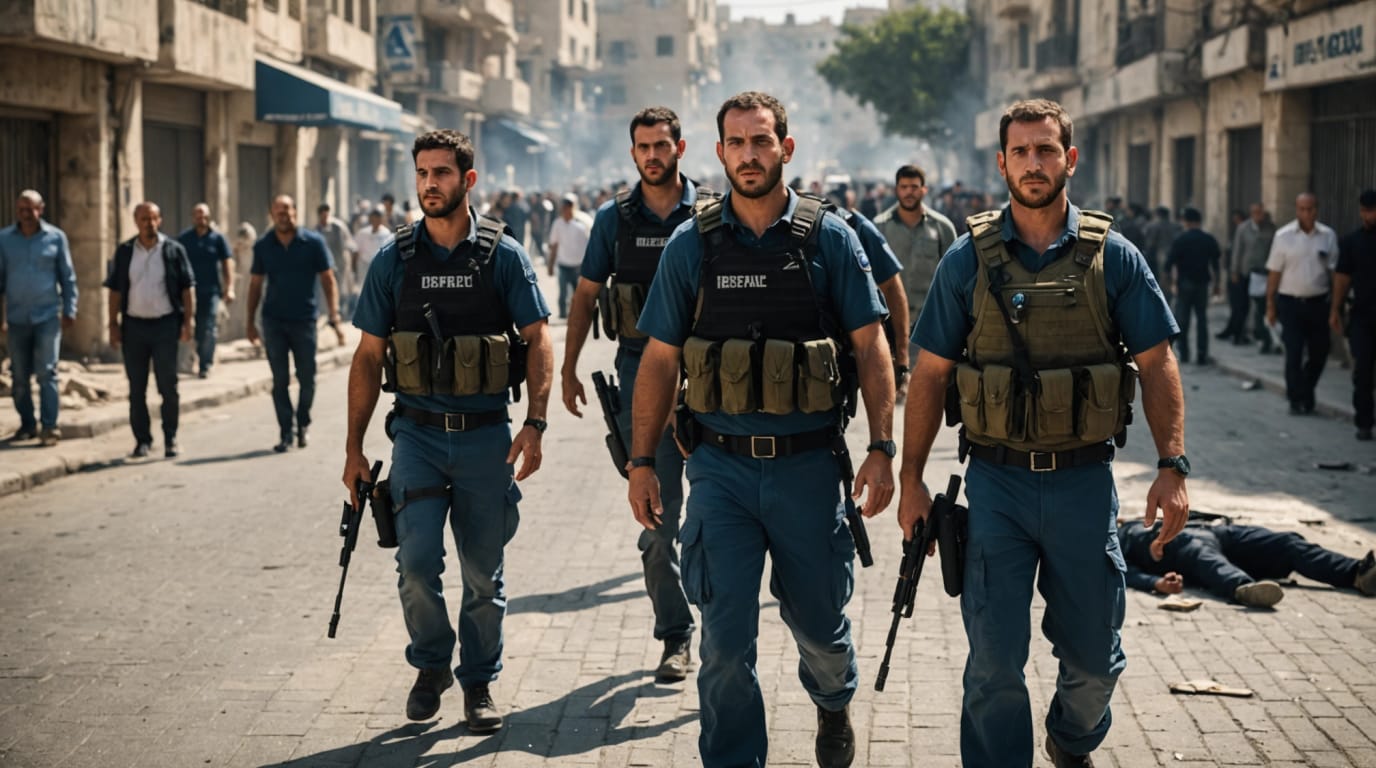
HAIFA, Israel – A deadly stabbing attack in the northern coastal city of Haifa on Monday claimed the life of an Israeli man and ended with the death of the assailant, marking the first fatal incident in Israel since a ceasefire agreement took effect in Gaza in late January. The attack, which occurred at a bus and train station, has raised concerns about the fragility of the truce and heightened tensions in the region.
The incident unfolded when an individual, identified by police as a member of Israel's Druze Arab minority, attacked multiple civilians at a central transportation hub. Emergency services rushed to the scene, but a man in his 70s was pronounced dead. Four other people sustained injuries and were treated by paramedics. The attacker was "neutralized" by a security guard and a civilian who were present at the scene, according to police reports.
The Magen David Adom emergency service confirmed the death and injuries, providing immediate medical assistance to those wounded in the attack. Authorities have launched an investigation to determine the motive behind the stabbing and to ascertain whether the assailant acted alone or was connected to any larger organization. While police identified the assailant, they did not immediately release further details about the individual or their background.
The attack occurred a day after Israel blocked aid from entering the Gaza Strip amid disagreements over extending the ceasefire. The initial six-week phase of the truce, which facilitated the entry of essential supplies into Gaza, concluded over the weekend. The United Nations has called for the immediate resumption of aid, warning of dire consequences for the already vulnerable population in Gaza.
The ceasefire, which began on January 19, had brought a relative lull in violence after more than 15 months of intense conflict between Israel and Hamas. The recent war was triggered by a Hamas attack on October 7, 2023, resulting in the deaths of over 1,200 people in Israel, predominantly civilians. Israel's subsequent military response in Gaza has led to the deaths of more than 48,300 Palestinians, the majority of whom were also civilians, according to data from both sides.
Truce mediators from Egypt and Qatar have accused Israel of violating the ceasefire agreement by halting the delivery of aid. Images from the border show trucks laden with essential goods lined up, unable to cross into Gaza. The disruption in aid has exacerbated the already dire humanitarian situation in the region, raising concerns about the well-being of the civilian population.
Prior to the ceasefire, repeated attacks, often involving knives, resulted in casualties within Israel. Authorities frequently attributed these incidents to "terrorists," a term used to describe acts linked to the Israeli-Palestinian conflict. The truce had brought a welcome respite from such attacks, but Monday's stabbing has shattered the sense of security and raised fears of a resurgence in violence.
Attacks by members of the Druze community, who generally maintain strong allegiance to the Israeli state, are considered rare. The assailant, who hailed from the northern Israeli town of Shfaram, had reportedly returned to Israel last week after spending several months abroad. This detail has prompted investigators to explore potential connections between the attacker's time overseas and the motivation for the stabbing.
The incident has drawn condemnation from Israeli officials, who have vowed to maintain security and prevent further attacks. The government has also reiterated its commitment to defending its citizens and combating terrorism. Meanwhile, Palestinian officials have expressed concern over the stalled ceasefire negotiations and the disruption of aid to Gaza, warning of the potential for renewed conflict.
The stabbing in Haifa serves as a stark reminder of the fragility of the ceasefire agreement and the deep-seated tensions that continue to plague the region. With negotiations to extend the truce at an impasse and aid deliveries suspended, the risk of further escalation remains high. The international community is closely monitoring the situation, urging both sides to de-escalate and resume talks to ensure the long-term stability and security of the region.


