Federal Homeland Security Officers in Minneapolis Mandated to Wear Body Cameras Amid Heightened Scrutiny
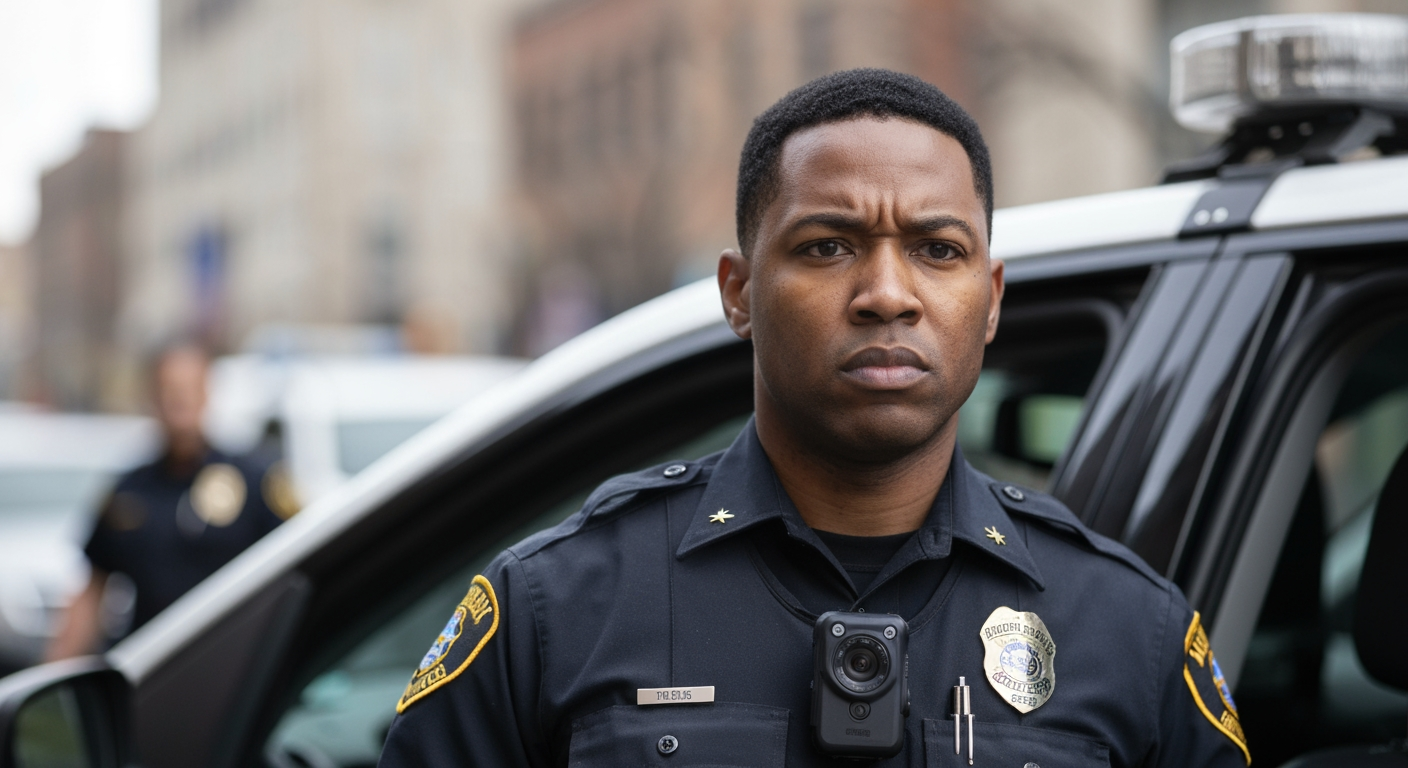
Minneapolis, MN – All Homeland Security officers operating in Minneapolis are now required to wear body cameras, an initiative Secretary Kristi Noem announced Monday, February 2, 2026, marking a pivotal shift in federal law enforcement practices. This immediate deployment, which includes Immigration and Customs Enforcement (ICE) officers, comes in the wake of recent fatal incidents and intense public pressure for greater accountability and transparency within federal agencies. The program is slated for nationwide expansion as funding becomes available, signaling a broader commitment to enhanced oversight of federal operations across the country.
The directive, conveyed by Secretary Noem via a social media post, emphasizes an urgent response to escalating calls for reform regarding the conduct of federal officers. The city of Minneapolis has become a focal point of this scrutiny, particularly concerning immigration enforcement activities that have drawn significant public attention and criticism. The implementation of body cameras is anticipated to provide an objective record of interactions, fostering trust between federal agents and the communities they serve while also offering critical evidence in investigations.
Immediate Rollout Addresses Local Tensions
The mandate for Homeland Security officers in Minneapolis to wear body cameras takes effect immediately. Secretary Kristi Noem announced the deployment on Monday, February 2, 2026, stating that every officer "in the field" in the city would be issued the recording devices. This swift action specifically encompasses Immigration and Customs Enforcement officers, a move that civil liberties advocates and community organizations have long championed. The announcement detailed plans for rapid acquisition and deployment of these cameras, with the Secretary indicating a commitment to expanding the program nationwide as budgetary resources allow. This initial focus on Minneapolis underscores the acute need for increased accountability in an area marked by significant public unrest and calls for federal law enforcement reform. The immediate nature of the rollout reflects the urgency perceived by the Department of Homeland Security in addressing the current climate of public concern and rebuilding community confidence in federal operations.
Catalytic Events Prompt Policy Shift
The decision to equip federal officers with body cameras in Minneapolis is directly linked to recent controversies and widespread public outrage concerning the conduct of federal agents. Minneapolis has experienced intense scrutiny over immigration enforcement activities, culminating in the shooting deaths of two U.S. citizens at the hands of federal officers. These tragic events fueled already growing demands from critics of Homeland Security for mandatory body camera use, particularly for officers involved in immigration enforcement.
A specific incident in late January, involving the shooting death of Alex Pretti by two officers, further highlighted the critical role of body cameras. Investigators in that case reviewed footage from over 30 body cameras worn by officers present, underscoring the devices' utility in reconstructing events and ensuring transparency. Moreover, the issue of officers using personal devices to record tense interactions has been a point of concern, with one notable instance where a fatal shooting was captured on an officer’s personal cellphone. This inconsistent and unofficial recording practice underscored the necessity for a standardized, department-wide policy to ensure reliable and impartial documentation of encounters between federal agents and the public. The cumulative weight of these incidents and the sustained public outcry created an undeniable imperative for the Department of Homeland Security to implement this new policy.
Evolving Federal Stance on Officer Accountability
The introduction of body cameras for Homeland Security officers in Minneapolis also reflects a fluctuating landscape of federal policy regarding law enforcement oversight. In 2022, President Joe Biden issued an executive order requiring federal law enforcement officers to wear body cameras as part of a broader package of policing reform measures. This directive aimed to enhance transparency and accountability across federal agencies, aligning federal practices with a growing number of state and local police departments that had already adopted body-worn cameras.
However, after commencing his second term, President Donald Trump rescinded this earlier directive, altering the course of federal law enforcement policy on body cameras. The recent endorsement of body cameras for immigration officers by President Trump over the past weekend, preceding Secretary Noem's announcement, suggests a renewed consensus on the potential benefits of such technology, even if for different stated reasons. This shift indicates a complex interplay of political will, public demand, and the practical necessities emerging from high-profile incidents. Secretary Noem's current directive, therefore, not only addresses the immediate concerns in Minneapolis but also re-establishes a policy direction for federal law enforcement that had seen recent reversals, signaling a renewed commitment to capturing interactions on video for improved oversight and trust.
Implications for Transparency and Public Trust
The widespread deployment of body cameras to Homeland Security officers, commencing in Minneapolis, carries significant implications for transparency and public trust in federal law enforcement. The primary benefit is the creation of an objective, verifiable record of encounters between officers and the public. This footage can be instrumental in accurately documenting events, which can be critical for both holding officers accountable for misconduct and defending them against false accusations. The ability to review clear video evidence reduces reliance on potentially conflicting verbal accounts, thereby promoting fairness and impartiality in investigations, as demonstrated by the review of body camera footage in the Alex Pretti case.
Furthermore, the presence of body cameras often influences the behavior of both officers and civilians. Studies suggest that officers equipped with body cameras may experience fewer complaints, and interactions may be less likely to escalate to the use of force, fostering a more professional and de-escalated environment. For the public, knowing that interactions are being recorded can offer reassurance and potentially reduce apprehension, particularly in sensitive areas like immigration enforcement. The policy signals a proactive step by the Department of Homeland Security towards embracing modern accountability tools, potentially helping to rebuild trust in communities where federal agents have faced significant scrutiny. While not a panacea for all challenges in law enforcement, body cameras represent a crucial technological advancement in the ongoing effort to ensure transparency and uphold civil liberties while maintaining public safety.
The immediate implementation of body cameras for all Homeland Security officers in Minneapolis, initiated by Secretary Kristi Noem, marks a substantial response to prolonged demands for federal law enforcement accountability. This decisive action, directly following public outrage over federal officer-involved shootings and sustained calls for reform, positions Minneapolis at the forefront of a potentially nationwide transformation in how federal agencies operate. By mandating recorded interactions, the Department of Homeland Security aims to foster greater transparency, rebuild public trust, and provide invaluable evidence for investigations. This move not only addresses current tensions but also reasserts a commitment to a standard of oversight that has seen varied application across federal law enforcement, underscoring an evolving understanding of accountability in the modern era. The success of this pilot program in Minneapolis will likely inform and accelerate its broader implementation, reshaping the future of federal policing and community relations across the United States.
Related Articles


Ratko Mladić, "Butcher of Bosnia" and Convicted War Criminal, Dies at 84
THE HAGUE, Netherlands – Ratko Mladić, the former Bosnian Serb military commander known as the "Butcher of Bosnia" and convicted of genocide, war crimes, and crimes against humanity, has died at the age of 84. Serbian...

Long-Awaited 9/11 Mastermind Trial Set for 2028, Decades After Attacks
GUANTANAMO BAY, Cuba – Nearly a quarter-century after the devastating terror attacks of September 11, 2001, a military judge has finally set a trial date for Khalid Sheikh Mohammed, the alleged mastermind behind the...