Global Shipping in Crisis as Trump Urges Allied Naval Action in Strait of Hormuz
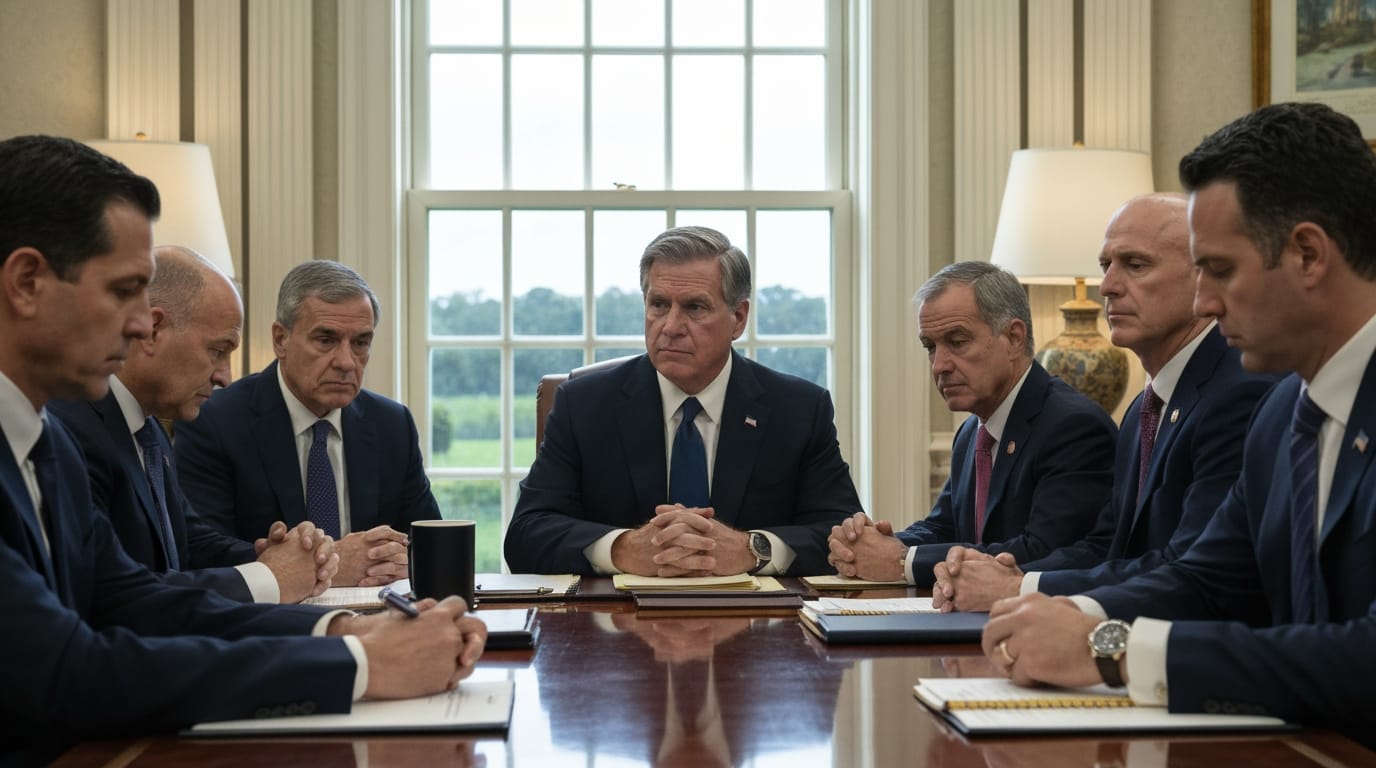
The vital Strait of Hormuz has become the epicenter of a escalating global energy crisis, with commercial shipping severely disrupted by Iranian actions in response to an ongoing U.S.-Israeli conflict with Tehran. As oil prices soar and international trade faces unprecedented hurdles, U.S. President Donald Trump has issued a direct call to key allies to deploy warships to secure the critical waterway, a plea that has so far met with a largely muted international response.
The strategic chokepoint, through which approximately one-fifth of the world's oil supply normally transits, has seen tanker movements plummet by an estimated 70%, pushing global oil prices to over $100 per barrel and sending ripples of economic uncertainty across the globe. Iran’s actions, including reported attacks on commercial vessels and threats to lay mines, mark a severe escalation in regional tensions, drawing urgent calls for stability from international bodies.
The Strait Under Siege: A Global Energy Flashpoint
Since late February 2026, the Strait of Hormuz has transformed into a critical theater of confrontation following joint U.S.-Israeli strikes on Iranian military infrastructure. Iran has retaliated swiftly and dramatically, effectively closing the strait to many vessels. More than 1,000 cargo ships, predominantly oil and gas tankers, have been blocked, with some periods witnessing a near-complete halt to traffic. Over 150 tankers are reportedly anchored outside the Gulf, unwilling to risk transit through the hazardous passage.
Iranian officials, including Supreme Leader Mojtaba Khamenei, have explicitly stated their intention to keep the strait shut for vessels linked to the U.S. and its allies, portraying their actions as a right to self-defense and a response to the ongoing conflict. This aggressive posture has led to a significant increase in insurance premiums for cargo operators and widespread concerns about the safety of crews, even as some insurance policies continue to be written. The disruption has triggered a global energy shock, causing a critical shortage of cooking gas in India and prompting the International Energy Agency to consider releasing 400 million barrels from strategic reserves.
Trump's Call to Arms Meets Reluctant Allies
President Trump, returning to office in 2025 and having restored a "maximum pressure" campaign against Tehran, has responded to the crisis by urging international cooperation to reopen the strait. In posts on his Truth Social platform, Trump called upon countries like the UK, China, France, Japan, and South Korea to deploy warships to the waterway, asserting that "many countries, especially those who are affected by Iran's attempted closure of the Hormuz Strait, will be sending War Ships… to keep the Strait open and safe." He emphasized that securing the strait should be a "team effort" and offered U.S. support to participating nations.
The U.S. has also taken direct military steps. Additional forces, including the USS Tripoli and its Marine expeditionary unit, have been deployed to the Middle East, with 2,500 Marines reportedly heading to the region. Trump claimed that the U.S. had "totally obliterated" military targets on Iran's Kharg Island, a key oil export terminal, but stated he would hold off on striking oil infrastructure if Iran reopened the strait. He also indicated that U.S. naval forces would soon begin escorting ships through the Strait of Hormuz.
However, the international community's response to Trump's entreaties has been cautious. Countries have largely offered "guarded responses," with Japan stating that the threshold for sending its warships is "extremely high," and the UK considering various options, including mine-hunting drones, without making firm commitments. Germany expressed skepticism about widening military operations, and China, an ally of Iran and a major oil importer from the region, focused on calling for a cessation of hostilities. This reluctance suggests a broader hesitation to commit to military interventions that could further destabilize the volatile region.
Economic Fallout and Geopolitical Maneuvering
The effective closure of the Strait of Hormuz has created a global energy emergency. Oil markets have reacted sharply, causing significant price spikes and driving up gasoline costs in countries like the United States. The Trump administration has been compelled to seek urgent measures to stabilize markets, including the discussion of releasing strategic oil reserves and temporarily lifting sanctions on Russian oil to ensure more supply enters the global market.
The crisis has also underscored the strategic miscalculations by Washington. Reports suggest that the Trump administration underestimated Iran's willingness to close the Strait of Hormuz in response to military pressure, despite long-standing contingency plans for such a scenario. This alleged oversight has left the U.S. scrambling for a coherent strategy, with internal divisions reportedly surfacing within the administration regarding the conflict's endgame.
An Uncertain Path Forward
As the impasse continues, the humanitarian and economic ramifications deepen. Iran's Foreign Minister Abbas Araghchi has warned against any actions that could lead to further escalation, even as Tehran maintains that the strait remains open to international shipping, excluding vessels belonging to the U.S. and its allies. The lack of a clear plan from Washington for restoring shipping through the strait raises concerns about a prolonged crisis, with some analysts drawing parallels to historical conflicts and the risks of escalation beyond initial intentions.
The situation in the Strait of Hormuz remains highly volatile, posing a severe test for global diplomacy and energy security. The world watches as the U.S. administration and its allies navigate the delicate balance between asserting navigational freedom and preventing a wider, potentially devastating regional conflict, with the critical waterway's fate hanging in the balance.


