Madagascar Appoints Anti-Corruption Chief as New Prime Minister Amidst Political Overhaul
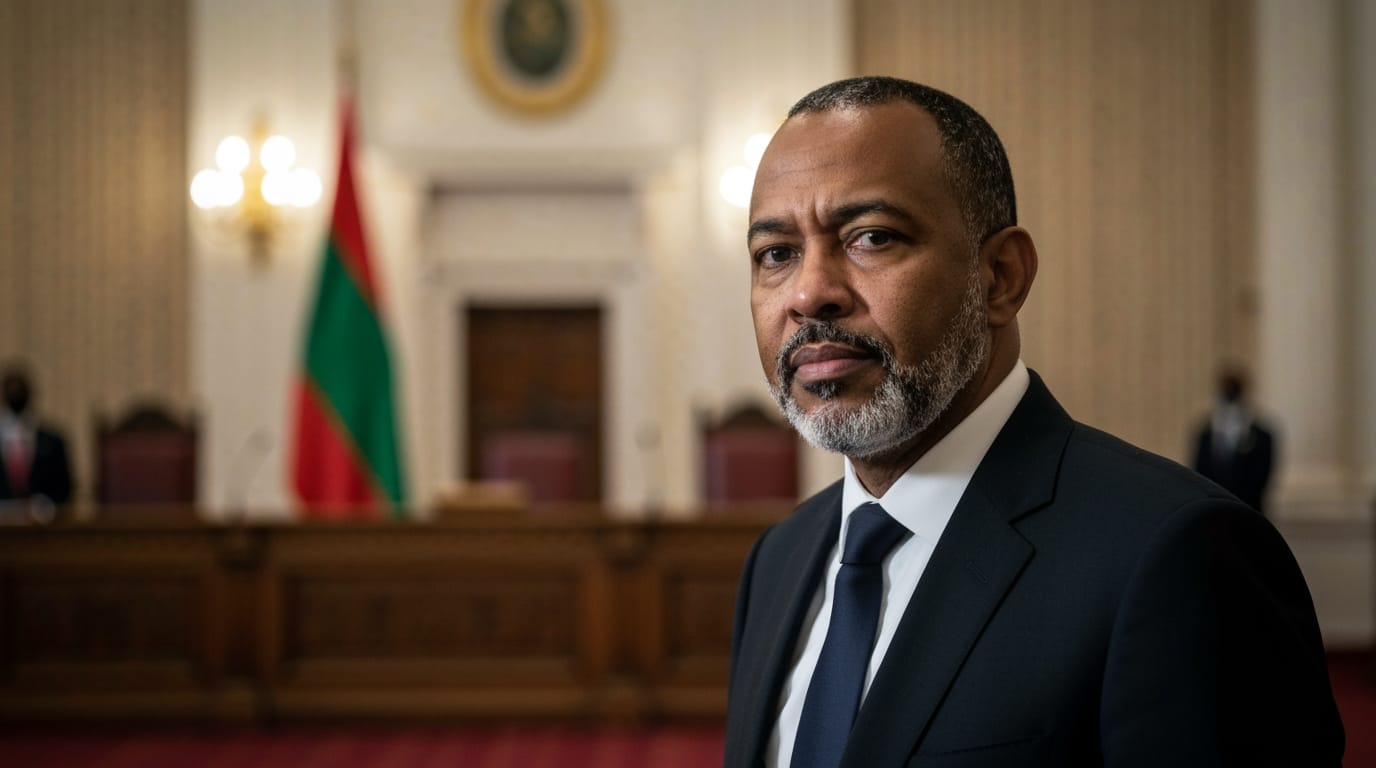
ANTANANARIVO, Madagascar – In a significant move signaling a renewed commitment to combatting pervasive corruption, Madagascar's interim President, Michael Randrianirina, has appointed Mamitiana Rajaonarison, a leading anti-corruption figure, as the nation's new Prime Minister. The announcement came on Sunday, March 15, just days after the abrupt dismissal of the previous premier and the entire cabinet. This pivotal appointment places a seasoned anti-corruption advocate at the helm of government, tasked with navigating a country long plagued by graft and recent political turmoil.
President Randrianirina, who assumed power in October amidst widespread protests and the impeachment of the former president, Andry Rajoelina, has vowed to steer Madagascar "on a clean path" and rekindle hope among its citizens. The selection of Rajaonarison, widely recognized for his unwavering stance against illicit practices, underscores the interim government's stated priority to dismantle entrenched networks of corruption that have stifled economic growth and eroded public trust for decades.
A Nation in Transition: Randrianirina's Rise to Power
The appointment of Mamitiana Rajaonarison marks the latest development in a turbulent period for Madagascar's political landscape. Interim President Michael Randrianirina took office in October 2025 following a series of youth-led protests that gripped the nation for weeks. These demonstrations, fueled by allegations of corruption and worsening living conditions, ultimately led to the impeachment of then-President Andry Rajoelina. An elite military unit, led by Randrianirina, seized control of the presidential palace, ushering in the interim government.
Upon taking charge, Randrianirina swiftly outlined a political program centered on reversing years of mismanagement and bringing to justice officials responsible for the systematic plundering of state funds. Prior to Rajaonarison's appointment, Herintsalama Rajaonarivelo had served as Prime Minister, also appointed by interim President Randrianirina. However, in a decisive move to consolidate his administration's anti-graft agenda, Randrianirina dismissed Rajaonarivelo and his cabinet days before naming Rajaonarison, emphasizing the need for a fresh start guided by ethical governance. This rapid turnover highlights the interim president's determination to project an image of decisive action against corruption as he attempts to stabilize the nation and prepare for future elections as mandated by the Constitutional Court.
Mamitiana Rajaonarison: A Champion Against Corruption
The new Prime Minister, Mamitiana Rajaonarison, brings a distinguished record in the fight against corruption to his new role. His tenure as the anti-corruption chief has been characterized by efforts to investigate cases, raise public awareness about the risks of corruption, and advise the government on robust anti-corruption policies. This background is particularly significant given Madagascar's long and arduous struggle with graft. The nation's Independent Anti-Corruption Bureau (BIANCO) has been a primary agency mandated to tackle these issues since its establishment.
President Randrianirina explicitly stated that the new prime minister would lead the government "on a clean path," a declaration that directly aligns with Rajaonarison's professional history and public reputation. While immediate details regarding Rajaonarison's specific plans for the premiership remain forthcoming, his past work suggests a focus on strengthening legal frameworks, enhancing transparency, and improving the enforcement of anti-corruption measures. The symbolic weight of an anti-corruption chief ascending to the highest government administrative post cannot be overstated, offering a beacon of hope for a populace weary of malfeasance.
Madagascar's Endemic Corruption Challenge
Madagascar's battle against corruption is a formidable, ongoing challenge deeply intertwined with its political instability and persistent poverty. Corruption is widely perceived as pervasive, affecting nearly every aspect of public life and severely eroding trust in institutions. This systemic issue has been a significant barrier to human rights, social justice, and sustainable development.
According to Transparency International's 2024 Corruption Perception Index (CPI), Madagascar ranked 140th out of 180 territories, with a score of 26 out of 100. This ranking underscores the severe nature of the problem and the long road ahead for meaningful reform. Historical cases, such as the 2021 conviction of former Prime Minister Jean Ravelonarivo for fraudulent contracts and embezzlement, illustrate the high-level nature of corruption, though challenges in enforcement and accountability persist. The judicial system, often perceived as weak and susceptible to influence, struggles to hold those guilty of malfeasance accountable, contributing to a sense of impunity.
In response to these deep-seated issues, the Committee for the Safeguarding of Integrity (CSI) launched the new National Anti-Corruption Strategy (SNLCC) 2025-2030 in early 2025. This ambitious plan aims to eradicate the corrupt system across various sectors of Madagascar's economy and foster an "island of integrity" by 2030, where corruption and impunity no longer hinder development. The strategy emphasizes ending impunity, promoting a multi-actor approach, and cultivating a national culture of integrity.
A Path Forward Amidst High Expectations
Mamitiana Rajaonarison's appointment comes with immense public expectation and an equally immense task. His leadership will be critical in translating the interim president's anti-corruption rhetoric into tangible results. The challenges extend beyond merely prosecuting corrupt officials; they encompass strengthening weakened state institutions, improving governance structures, and fostering an environment where citizens feel safe to report corruption without fear of retaliation.
The success of the new administration will likely be judged on its ability to demonstrate early victories in the anti-corruption fight, which could help to rebuild public confidence and political stability. The interim government's stated intention to bring all responsible officials to justice sets a high bar and promises a potential shake-up in the political and economic elites. However, the systemic nature of corruption, exacerbated by political instability and inadequate funding for anti-corruption bodies, suggests that a sustained, comprehensive approach will be necessary. The integration of the National Anti-Corruption Strategy 2025-2030 into the new government's agenda will be crucial for any long-term success.
The road ahead for Prime Minister Rajaonarison and President Randrianirina is fraught with complexities. Beyond addressing corruption, the interim government must also tackle critical issues such as economic development, social welfare, and the ultimate transition to a democratically elected government. The world will be watching to see if this new leadership can indeed deliver on its promise of a "clean path" for Madagascar, marking a turning point in the nation's often-troubled history.


