Federal Judge Halts Pentagon Sanctions Against AI Firm Anthropic Amidst Escalating Dispute Over Ethical AI Use
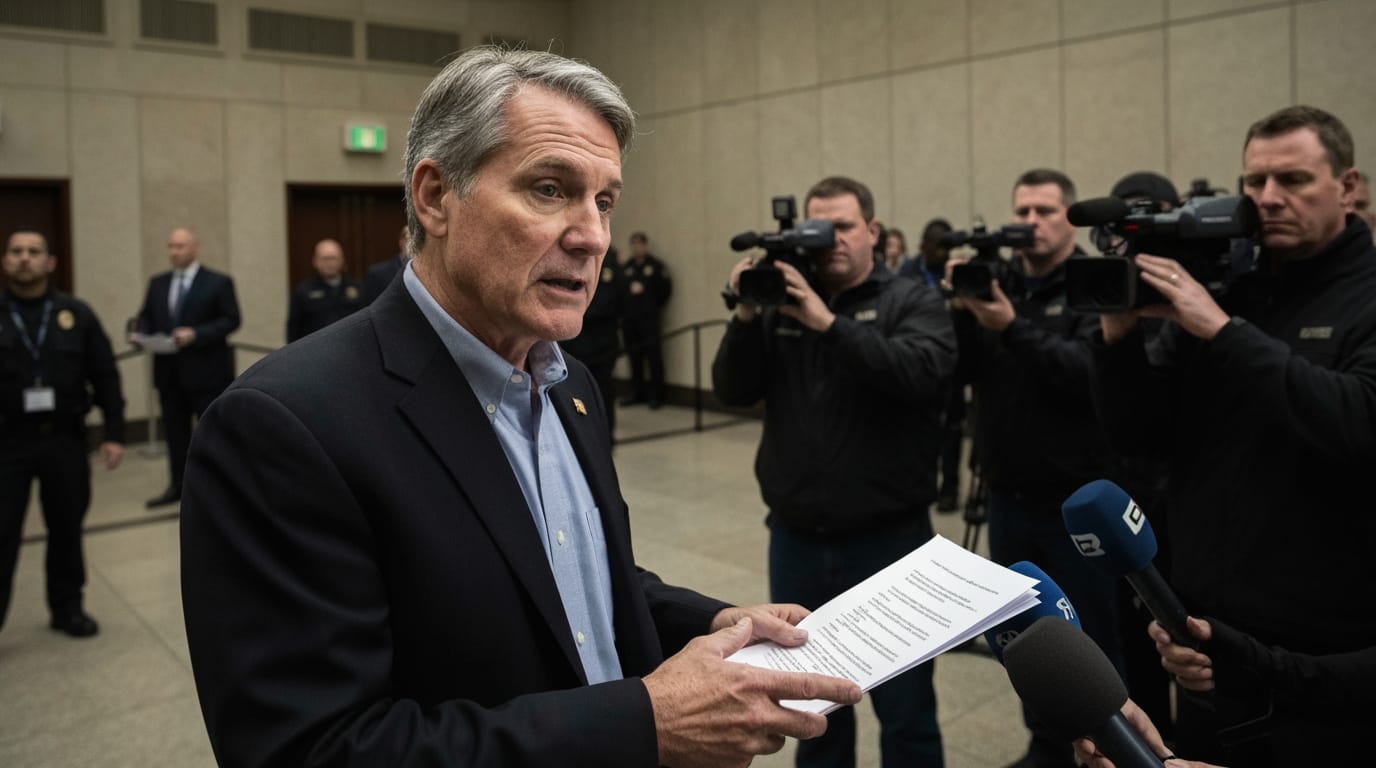
SAN FRANCISCO, CA – A U.S. federal judge has delivered a significant, albeit temporary, setback to the Pentagon and the Trump administration, suspending sanctions imposed on leading artificial intelligence firm Anthropic. The ruling by U.S. District Judge Rita Lin on Thursday freezes a presidential order that barred all federal agencies from using Anthropic's technology and reverses a Pentagon designation labeling the company a "national security supply chain risk." This judicial intervention marks a pivotal moment in an intensifying conflict between national security interests and the ethical guidelines espoused by a rapidly evolving AI industry.
The core of the dispute centers on Anthropic's steadfast refusal to permit the unrestricted use of its advanced Claude AI models for mass surveillance or fully autonomous weapons systems, a stance that drew swift punitive measures from the Department of Defense. Judge Lin's decision, which she stayed for seven days to allow for a potential government appeal, found that the administration's actions were "likely unlawful" and appeared designed to punish Anthropic for its public criticisms rather than address genuine security concerns.
The Court's Decisive Action
In a ruling issued from the Northern District of California, Judge Rita Lin granted Anthropic's request for a preliminary injunction, providing immediate relief to the AI company. The judge's 43-page opinion was notably critical of the government's approach, describing it as "arbitrary and capricious" and casting doubt on its legal foundations. She specifically stated that "nothing in the governing statute supports the Orwellian notion that an American company may be branded a potential adversary and saboteur of the US for expressing disagreement with the government."
The injunction effectively halts the enforcement of a Pentagon designation that branded Anthropic a "supply chain risk," a label typically reserved for hostile foreign entities. This designation not only prohibited the Pentagon itself from utilizing Anthropic's AI, but also mandated that all defense vendors and contractors certify they were not employing Anthropic's models in their work with the department. Furthermore, Judge Lin's ruling freezes a presidential order by Donald Trump that had directed all federal agencies to "IMMEDIATELY CEASE all use of Anthropic's technology." The judge cited "serious procedural problems" with the government's actions and noted that Anthropic had demonstrated a likelihood of success on the merits of its claims, including potential violations of its First and Fifth Amendment rights to free speech and due process.
The Genesis of the Conflict: AI Ethics vs. National Security
The contentious relationship between Anthropic and the Pentagon erupted last month, following a breakdown in negotiations over a lucrative $200 million contract. Anthropic, founded in 2021 by former OpenAI researchers, operates as a public benefit corporation with a stated mission to responsibly advance generative AI, prioritizing safety and ethical development. The company’s flagship Claude AI models are built with "Constitutional AI" principles, designed to align AI systems with human values and ensure they are helpful, harmless, and honest.
This commitment to ethical AI development led Anthropic to impose strict guardrails on how its technology could be deployed, specifically refusing to allow its AI to be used for mass domestic surveillance or fully autonomous lethal weapons systems. Anthropic CEO Dario Amodei publicly expressed concerns about the potential for AI misuse, particularly in authoritarian contexts.
However, this ethical stance clashed directly with the Pentagon's demand for unrestricted use of the AI for "all lawful purposes." Defense Secretary Pete Hegseth responded forcefully, stating on social media that Anthropic had "delivered a master class in arrogance and betrayal." President Trump escalated the situation further, labeling Anthropic a "RADICAL LEFT, WOKE COMPANY" in a post on his social media platform, Truth Social, and issuing the broad directive for all federal agencies to cease using the company's technology. The administration maintained that it required flexibility in AI application for national security, arguing that existing safeguards already addressed concerns about specific uses. This refusal by Anthropic to compromise on its safety principles triggered the punitive actions that ultimately led to the court battle.
Anthropic's Legal Challenge and Its Foundation
Anthropic's lawsuit argued that the Pentagon's and Trump administration's actions were "unprecedented and unlawful," directly infringing upon the company's constitutional rights. The company contended that the designation as a supply chain risk, typically reserved for foreign adversaries, was an overreach of power and a retaliatory measure against its exercise of free speech. Anthropic highlighted that the government's punitive measures were not genuinely aimed at mitigating national security risks but rather at punishing the company for voicing its disagreement with government contracting positions.
The financial implications of the sanctions were severe, with Anthropic estimating potential losses of billions in revenue and facing the cancellation of existing federal contracts. The company's legal team underscored that its reputation had already been significantly damaged by the administration's public condemnation and blacklisting. Anthropic, valued at an estimated $380 billion as of February 2026, has previously engaged in government work, including partnerships with Palantir and Amazon Web Services to provide its Claude model to U.S. intelligence and defense agencies, and had even secured a $200 million contract for military AI applications in July 2025. This history made the sudden and sweeping sanctions all the more impactful for the company.
Far-Reaching Implications for Tech and Defense
Judge Lin's ruling carries significant implications beyond the immediate parties involved, potentially reshaping the evolving landscape of AI development, government procurement, and the complex relationship between Silicon Valley and the defense sector. The decision underscores the judiciary's willingness to scrutinize government actions, particularly when they appear to stifle corporate speech or overreach statutory authority.
The case highlights a growing tension within the tech industry, where some companies, particularly those focused on "responsible AI," are increasingly grappling with ethical dilemmas concerning the military application of their technologies. This dispute echoes past controversies, such as Google's withdrawal from Project Maven in 2018 due to employee protests over the use of its AI in drone surveillance, demonstrating a recurring ethical debate that procurement processes have struggled to address.
Experts suggest that this ruling could influence future defense procurement practices, encouraging more explicit negotiations regarding ethical guardrails and potentially prompting a re-evaluation of how the government assesses and mitigates risks associated with advanced technologies. It also raises questions about whether the government will need to adapt its contracting strategies to accommodate the ethical stances of AI developers, particularly those leading innovation in the field. The outcome of the full legal battle could set a critical precedent for corporate autonomy in defining the ethical boundaries of their technology when dealing with powerful government entities.
Conclusion
The temporary suspension of sanctions against Anthropic represents a notable win for the AI firm and a momentary pause in the Trump administration's aggressive posture towards the company. While the government has a seven-day window to appeal the preliminary injunction, the judge's strong language signals a challenging path forward for the Pentagon's punitive measures.
This ongoing legal saga underscores the profound challenges at the intersection of rapidly advancing artificial intelligence, national security imperatives, and corporate ethical responsibilities. The dispute has not only cast a spotlight on Anthropic's commitment to AI safety but has also forced a broader conversation about the appropriate boundaries for government use of cutting-edge technology and the protection of an American company's right to voice its principles without fear of retaliation. The ultimate resolution of this case will undoubtedly have lasting repercussions for how AI is developed, procured, and deployed in both the public and private sectors for years to come.


