Federal Judge Orders Reinstatement of Washington Slavery Exhibit, Citing Improper Removal
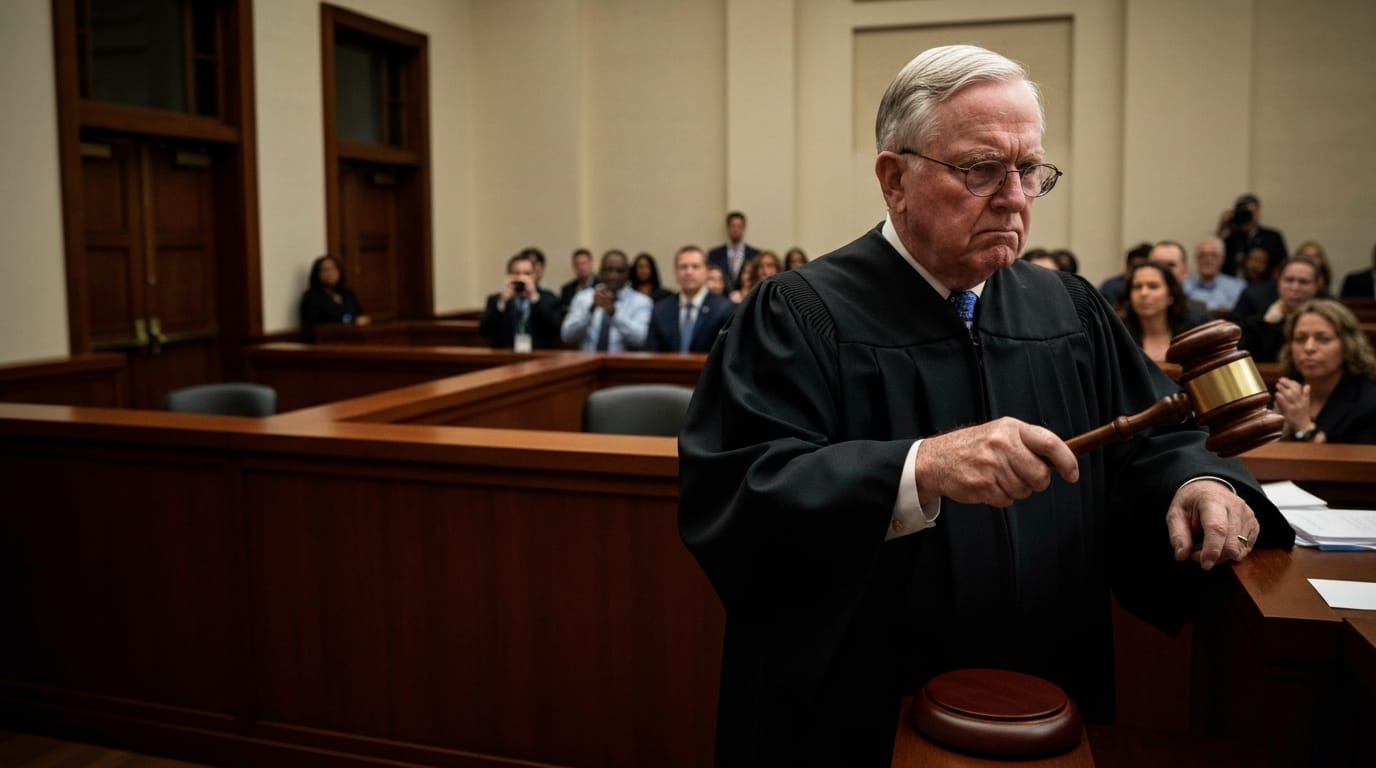
A federal judge in Washington, D.C., has mandated the immediate reinstatement of a prominent exhibit on slavery and resistance at the Anacostia Community Museum, a constituent of the Smithsonian Institution. The ruling comes after a legal challenge argued the exhibit's removal constituted an arbitrary and unlawful decision, depriving the public of crucial historical context. The judicial order marks a significant victory for community groups, historians, and descendants of enslaved people who contended the sudden closure amounted to historical erasure and violated the institution's public trust obligations.
The Controversial Closure and Legal Challenge
The exhibit in question, "A Right to Freedom: The Story of Washington's Black Resistance," had been a cornerstone of the Anacostia Community Museum's offerings for several years, drawing considerable attention for its unflinching portrayal of the brutal realities of slavery and the steadfast fight for liberation in the nation's capital. Its unexpected closure in late 2023, attributed by museum officials to "operational changes" and a desire for "reimagining" the space, sparked immediate outcry. Critics argued the reasons provided were vague and masked a deeper discomfort with the exhibit's challenging subject matter.
A coalition of plaintiffs, including local historical societies, civil rights organizations, and individuals tracing their lineage to enslaved people in the Washington area, promptly filed a lawsuit in the U.S. District Court for the District of Columbia. Their complaint asserted that the museum, as a federally funded institution, had failed to adhere to proper administrative procedures and had acted in an arbitrary and capricious manner by removing an exhibit of such profound public and historical significance without adequate public consultation or justification. The legal challenge highlighted the exhibit's educational value and its role in fostering dialogue about a painful yet foundational aspect of American history.
The Exhibit at the Center of the Dispute
"A Right to Freedom" was meticulously curated to present a comprehensive narrative of slavery in Washington, D.C., from the city's inception through the Civil War and beyond. It moved beyond a mere depiction of suffering, focusing instead on the agency, resilience, and resistance of enslaved individuals. The exhibit featured personal stories, historical documents, artifacts, and interactive displays that illuminated the lives of those who endured unimaginable hardship yet continuously sought freedom through various means, including escape, legal challenges, and organized rebellion.
Its emphasis on local narratives provided visitors with a tangible connection to the past, illustrating how the institution of slavery shaped the very landscape and social fabric of the capital city. The exhibit explored the domestic slave trade that flourished in D.C., the establishment of vibrant free Black communities, and the eventual struggle for emancipation within the District, preceding the broader federal abolition. For many, the exhibit was not just a collection of historical facts but a powerful testament to the human spirit and a vital platform for descendants to connect with their heritage and share their ancestors' stories.
Judicial Scrutiny and the Ruling's Basis
During legal proceedings, the court thoroughly examined the Smithsonian Institution's rationale for the exhibit's removal. Attorneys for the museum maintained that the decision was an internal programmatic choice, within its discretion to manage its exhibition spaces and content. They suggested that the closure was part of a broader strategy to refresh and update displays, ensuring relevance and engagement for diverse audiences. However, the plaintiffs successfully argued that given the exhibit's unique historical significance and its long-standing presence, its abrupt dismantling without transparent procedural steps or genuine public input constituted a dereliction of duty.
The presiding U.S. District Judge found that the museum's actions indeed lacked a rational basis and failed to meet the standards required of a public institution. The court determined that the Smithsonian had not provided sufficient justification for the immediate and complete removal of "A Right to Freedom," especially considering its critical educational role and the substantial public investment in its creation and maintenance. The judge emphasized that while museums typically retain discretion over their programming, that discretion is not absolute, particularly when dealing with matters of profound public interest and historical truth within federally funded institutions. The ruling underscored the importance of process and transparency in decisions affecting public access to significant cultural and historical narratives.
Implications for Historical Interpretation and Public Trust
The federal judge's order to reinstate "A Right to Freedom" carries significant implications far beyond the walls of the Anacostia Community Museum. It sends a clear message about the accountability of public institutions in their role as custodians of history. The ruling suggests that arbitrary decisions regarding the presentation of historical content, particularly on sensitive and foundational topics like slavery, can be challenged legally when proper procedures are circumvented. It reinforces the idea that public museums, especially those supported by taxpayer funds, have a responsibility to uphold the public trust and facilitate access to diverse historical perspectives.
This legal precedent could empower other community groups and historians to challenge similar decisions by museums and cultural institutions across the nation, fostering greater transparency and public engagement in the curation of historical narratives. The decision highlights the ongoing tension between institutional autonomy and the public's right to access comprehensive, unvarnished historical accounts. For descendants of enslaved people and advocates for historical justice, the ruling reaffirms the importance of confronting the difficult truths of the past and ensuring that stories of resistance and resilience are preserved and prominently displayed for future generations.
Conclusion
The federal court's order for the Anacostia Community Museum to reinstate "A Right to Freedom: The Story of Washington's Black Resistance" marks a pivotal moment in the ongoing national conversation about how history is interpreted and presented in public spaces. It underscores the critical role of judicial oversight in safeguarding public access to vital historical narratives and holding federally funded institutions accountable for their decisions. As the exhibit prepares for its return, the ruling serves as a powerful reminder that the telling of history is not merely an academic exercise but a deeply impactful endeavor with profound implications for community identity, education, and the pursuit of a more complete understanding of the American past. The decision reinforces the notion that uncomfortable truths, when presented with historical integrity, are essential for fostering a more informed and just society.


