Federal Judge Says USAID Shutdown Likely Unconstitutional
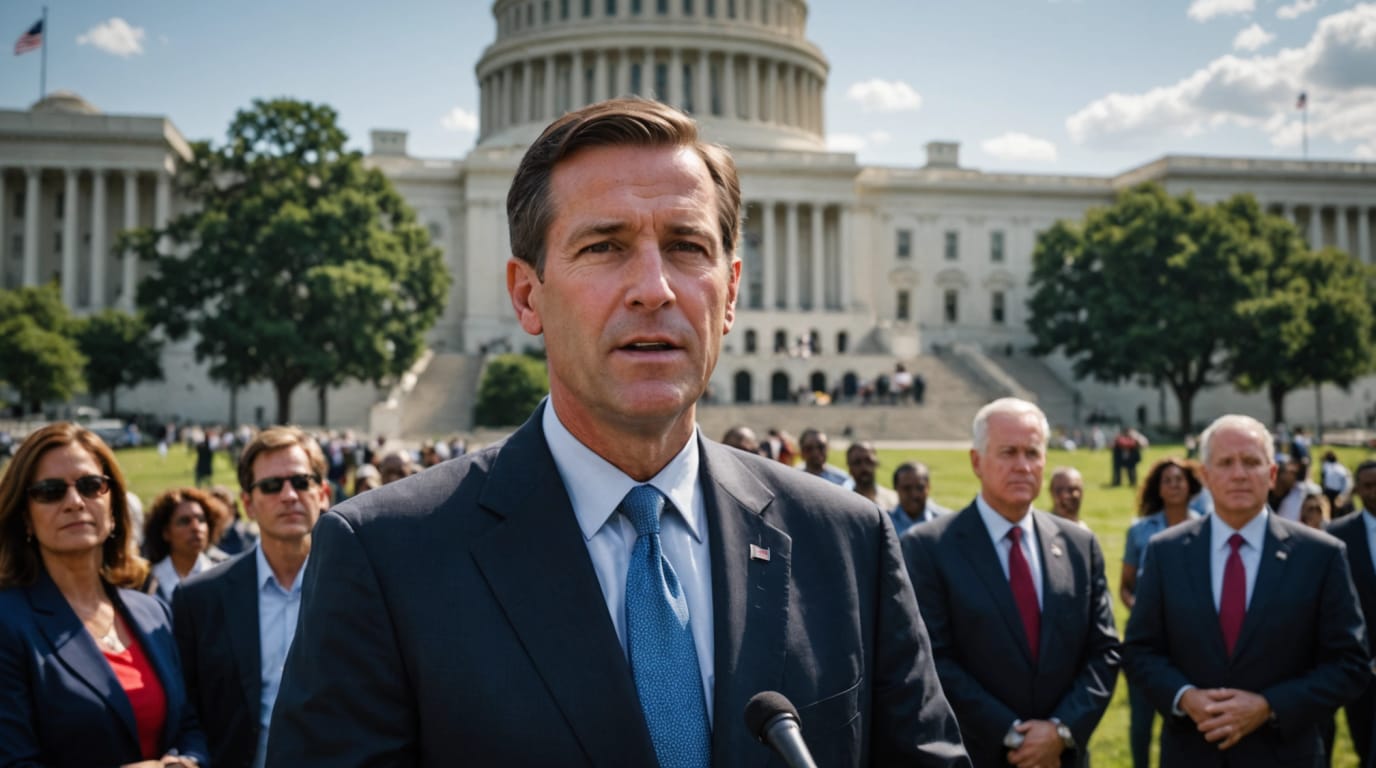
A federal judge has ruled that the Trump administration's efforts to shut down the U.S. Agency for International Development (USAID) likely violated the U.S. Constitution, delivering a blow to President Trump's cost-cutting initiatives led by Elon Musk. The ruling comes after weeks of turmoil at the agency, with mass firings and program cancellations sparking widespread concern.
Judge Sides with USAID Employees
U.S. District Judge Theodore Chuang issued a preliminary injunction Tuesday, siding with a group of more than two dozen current and former USAID employees and contractors who challenged the shutdown. The plaintiffs, represented by State Democracy Defenders Action, argued that the actions taken by Musk and the Department of Government Efficiency (DOGE) were unconstitutional. Chuang, an Obama appointee, agreed, stating that the dismantling of USAID "likely violated the United States Constitution in multiple ways."
Appointments Clause and Separation of Powers
In his 68-page opinion, Chuang focused on two key constitutional principles: the Appointments Clause and the separation of powers. He argued that Musk, as the head of DOGE, was effectively wielding significant governmental power without having been appointed by the President and confirmed by the Senate, as required by the Appointments Clause. The judge also found that the administration's actions infringed upon Congress's constitutional authority to create and dissolve federal agencies. "There is no statute that authorizes the Executive Branch to shut down USAID," Chuang wrote, emphasizing that Congress alone has the power to eliminate agencies it has created.
The Role of Elon Musk and DOGE
The lawsuit specifically targeted Elon Musk and his Department of Government Efficiency (DOGE). President Trump appointed Musk as a senior White House advisor and tasked him with leading DOGE, an initiative aimed at streamlining the federal government and cutting costs. However, the plaintiffs argued that Musk's role in dismantling USAID exceeded the scope of a typical White House advisor and constituted an unconstitutional power grab. Judge Chuang's ruling prohibits Musk and DOGE from taking any further action to shut down USAID, including firing employees, closing offices, or deleting website content, without express authorization from an agency official with legal authority.
Implications and Future of USAID
The immediate impact of the ruling is that USAID employees must have their access to email and other electronic systems restored. The agency is also prevented from further staff reductions or contract cancellations initiated by DOGE. However, the long-term implications remain uncertain. The ruling does not prevent other Trump administration officials from reissuing the same orders, as long as they are not acting under the direction of Musk and DOGE. Secretary of State Marco Rubio is currently acting as the head of USAID. The Trump administration is likely to appeal the decision.
A Broader Battle Over Executive Power
This case is one of several legal challenges to the Trump administration's efforts to reorganize the federal bureaucracy. Critics argue that DOGE's actions represent an overreach of executive power and a disregard for congressional authority. The White House, on the other hand, maintains that these changes are necessary to improve government efficiency and reduce wasteful spending. The outcome of this legal battle could have significant implications for the balance of power between the executive and legislative branches.


