Federal Prosecutors Resign Amidst Turmoil Over Minnesota ICE Shooting Investigation
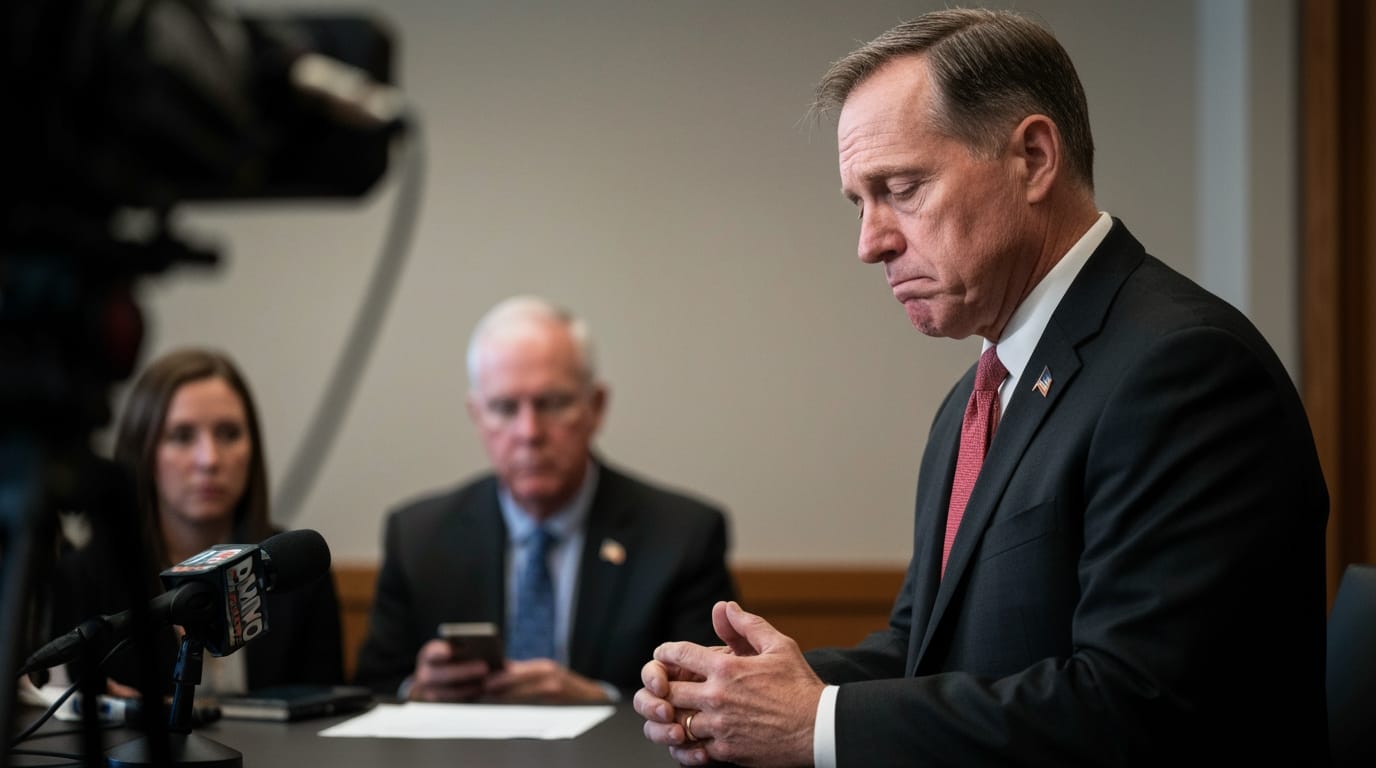
MINNEAPOLIS – A significant shake-up in the U.S. Attorney’s Office for the District of Minnesota has unfolded, with multiple federal prosecutors, including the state’s top fraud prosecutor, reportedly resigning in protest over the U.S. Justice Department's (DOJ) handling of an investigation into the fatal shooting of a woman by an Immigration and Customs Enforcement (ICE) agent. The departures signal deep-seated internal dissent regarding the federal government's approach to the January 7 incident in Minneapolis, raising concerns about prosecutorial independence and the pursuit of justice.
The resignations, which became public on January 13, center on objections to the Justice Department's directives concerning the death of Renee Macklin Good, a 37-year-old mother who was shot and killed by ICE agent Jonathan Ross. Among those stepping down is Joseph Thompson, a veteran federal prosecutor and formerly the second-highest-ranking official in the Minnesota federal district court. Thompson, known for his leadership in major fraud cases, is one of at least six attorneys from the U.S. Attorney's Office to have reportedly resigned. Sources indicate the primary points of contention include a perceived reluctance to investigate the ICE agent, a decision to pursue an investigation into Good's widow, Becca Good, over potential ties to activist groups, and the federal government's refusal to involve state officials in the probe.
The Controversial Shooting and Its Aftermath
The incident on January 7 involved ICE agent Jonathan Ross, who shot Renee Macklin Good during an enforcement operation in Minneapolis. Publicly circulated video footage reportedly shows Good attempting to drive away from the agent before being shot multiple times. This shooting quickly ignited protests and calls for a thorough and impartial investigation. However, the subsequent actions and inactions by the Justice Department have provoked strong reactions within the federal prosecutorial ranks. Concerns mounted as federal authorities reportedly appeared reluctant to investigate the killing as a possible civil rights violation, instead shifting focus to the victim's background.
Adding to the controversy, the Justice Department reportedly abandoned its plan to launch a civil rights investigation into whether the ICE agent's use of force was justified. This decision, attributed in part to Harmeet Dhillon, the Assistant Attorney General overseeing the Civil Rights Division, reportedly informed staff days before the shooting that her division would not be involved in the probe. This move reportedly prompted further resignations, with at least five prosecutors from the Civil Rights Division nationally stepping down in protest.
Points of Internal Division and Departures
The core of the prosecutors' dissatisfaction stems from specific directives issued by the Justice Department. Joseph Thompson and others reportedly objected to the DOJ's push to investigate Becca Good, the widow of Renee Macklin Good, over unconfirmed connections to activist groups. Concurrently, there was a reported delay and perceived reluctance by the federal government to thoroughly investigate ICE agent Jonathan Ross. Another critical point of contention was the federal government's decision to exclude state officials, such as the Minnesota Bureau of Criminal Apprehension, from participating in the investigation into the shooting's justification, despite requests from Minnesota officials for an independent review.
Joseph Thompson's departure is particularly notable. He had a distinguished career, serving as acting U.S. Attorney for Minnesota and leading significant prosecutions, including the massive $250 million "Feeding Our Future" fraud case. Minnesota Governor Tim Walz described Thompson as a "principled public servant" whose resignation represents a "huge loss for our state." Governor Walz also commented on a broader trend, stating, "It's also the latest sign Trump is pushing nonpartisan career professionals out of the justice department, replacing them with his sycophants."
Broader Implications and Federal Scrutiny
The collective resignations have sparked a wider debate about the independence of federal prosecutors and the potential political influence on sensitive investigations. While a Justice Department spokesperson acknowledged the resignations, they denied any connection to the Minneapolis shooting, suggesting the prosecutors had sought early retirement "well before the events in Minnesota." However, prosecutors familiar with the situation have reportedly disputed this characterization.
The Federal Bureau of Investigation (FBI) has assumed control of the case, reportedly sidelining local officials and focusing part of its inquiry on Renee Good's "possible connections to activist groups." This shift in investigative focus, coupled with the internal departures, has raised questions about the impartiality of the ongoing federal probe and its potential impact on public trust in the justice system. Brian O'Hara, a legal expert, warned that the resignations raise significant credibility questions for the federal government. The incident and its aftermath are unfolding against a backdrop of increasing scrutiny on federal law enforcement tactics and the accountability of agents involved in deadly force incidents.
Conclusion
The abrupt resignations of multiple federal prosecutors in Minnesota underscore a profound internal disagreement within the U.S. Justice Department regarding the investigation into the fatal ICE shooting of Renee Macklin Good. The departures of experienced legal professionals, including a lead fraud prosecutor, highlight significant concerns over the direction of the federal probe, specifically the decision to investigate the victim's widow while allegedly delaying scrutiny of the agent involved and excluding state law enforcement. As the FBI continues its investigation, the situation brings into sharp focus the tensions between federal directives, prosecutorial independence, and the public's demand for transparent and equitable justice. The long-term implications for the Justice Department's credibility and its ability to attract and retain career prosecutors remain to be seen as these events continue to unfold.


