Iranian Women's Soccer Captain Abandons Australian Asylum Bid Amid Allegations of Pressure
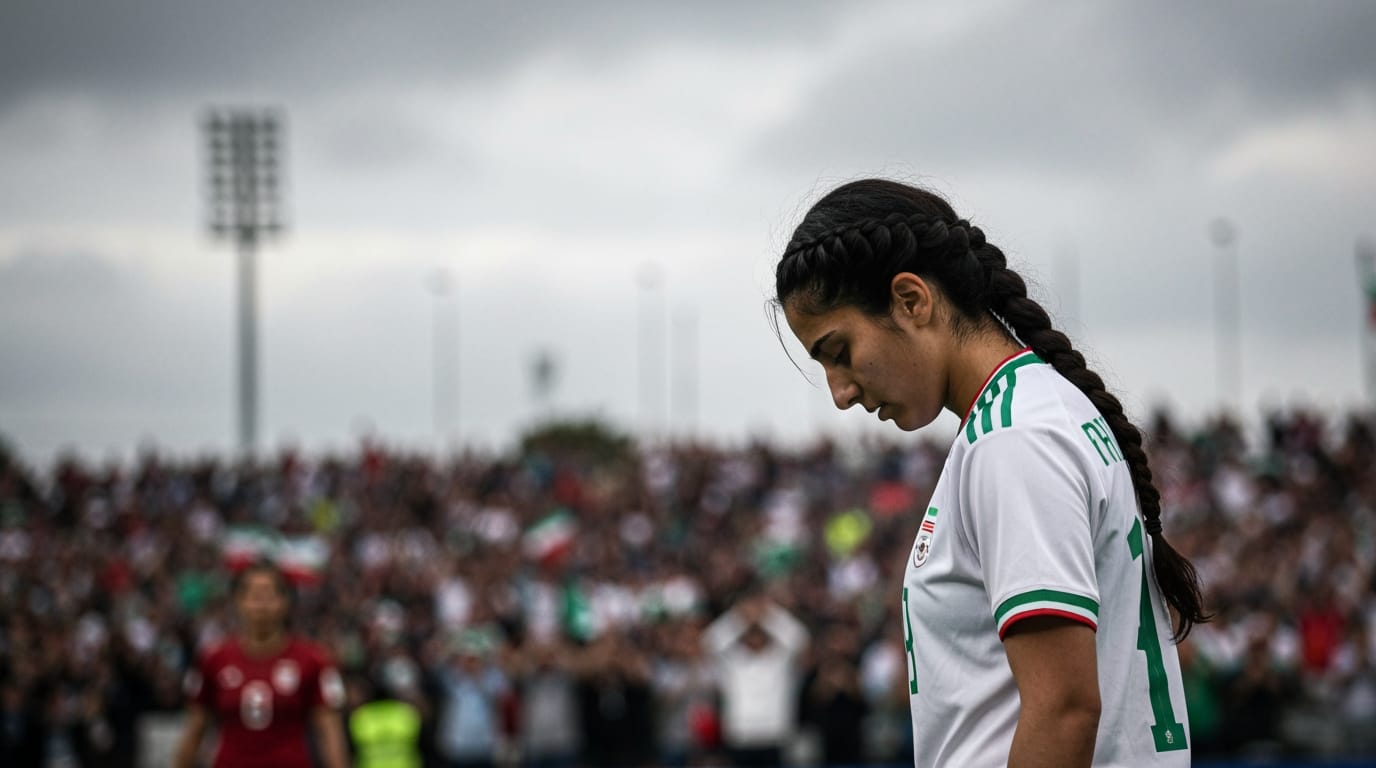
SYDNEY, Australia – In a dramatic turn of events that has reverberated from the football pitch to the halls of international diplomacy, Zahra Ghanbari, captain of the Iranian women's national soccer team, has reportedly withdrawn her asylum application in Australia, opting instead to return to Iran. Her decision marks the fifth such reversal among seven members of the team delegation who initially sought sanctuary, casting a shadow of concern over the athletes' freedom of choice and sparking accusations of coercion against the Iranian government.
The saga began during the recent Women's Asian Cup in Australia, when seven members of the Iranian football delegation, including players and a staff member, made international headlines by refusing to sing their national anthem before a match. This powerful act of defiance was widely interpreted as a protest against the Iranian regime, leading to immediate and severe backlash from state media back home, who branded the athletes "traitors." Fearing persecution upon their return, the players sought asylum in Australia, which swiftly granted them humanitarian visas, seemingly offering a new chapter of safety and freedom.
The Initial Defiance and a Hope for Sanctuary
The Iranian women's football team's presence at the Women's Asian Cup was already notable, representing a nation where women's participation in sports, particularly football, faces significant cultural and political hurdles. Their silent protest during the national anthem quickly escalated into a major international incident. This act of defiance resonated globally, drawing attention to the plight of athletes who use their platform to express dissent. The decision not to sing the anthem was a poignant moment, viewed by many as a courageous stand against the Islamic Republic's policies.
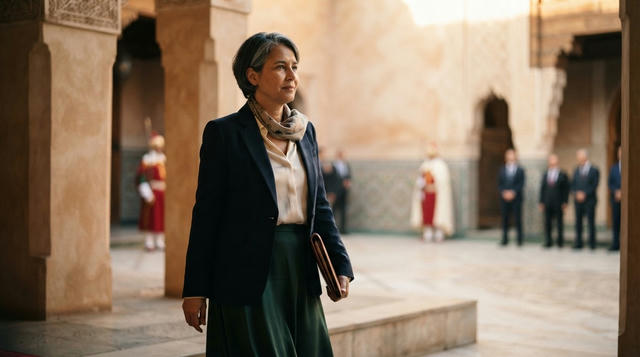
In the immediate aftermath, Iranian state television and news agencies launched scathing attacks, labeling the players "wartime traitors," fueling legitimate fears that their return to Iran could lead to severe repercussions, including imprisonment or worse. Responding to the urgent pleas from human rights advocates and even U.S. President Donald Trump, who publicly urged Australia to offer protection, the Australian government acted quickly. Home Affairs Minister Tony Burke personally met with some of the players, assuring them of their safety and welcoming them to Australia. Humanitarian visas were granted, offering a pathway to a new life away from potential political retribution. This swift action was widely applauded as a testament to Australia's commitment to human rights and its role as a haven for those fleeing persecution. The initial relief among supporters was palpable, believing these athletes had secured a future free from fear.
A Troubling Reversal: The Captain's About-Face
However, the narrative of liberation took a perplexing turn as reports began to emerge of players withdrawing their asylum bids. Captain Zahra Ghanbari's decision to rescind her application and plan her return to Iran marks a significant development in this unfolding drama. Iranian state media, including the IRNA news agency, reported her withdrawal, stating she would travel from Australia to Malaysia before flying back to Iran.
Ghanbari's decision is not an isolated incident. She is the fifth member of the original group of seven to reverse course, opting to leave Australia. The first such public withdrawal involved player Mohaddeseh Zolfi. Minister Burke confirmed that Zolfi had changed her mind after speaking with other teammates who had already decided to return. Critically, Zolfi reportedly contacted the Iranian embassy, revealing the location of the other asylum seekers. This disclosure prompted Australian authorities to immediately move the remaining players to a new, undisclosed safe location for their protection. Subsequently, three other players—Mona Hamoudi, Zahra Sarbali—and a support staff member also reportedly departed Australia for Kuala Lumpur en route to Tehran.
Allegations of Coercion and Conflicting Narratives
The rapid succession of withdrawals has raised serious questions among human rights organizations and observers about the voluntariness of these decisions. Rights groups have long accused Iranian authorities of employing coercive tactics, including threatening relatives still in Iran or seizing property, to pressure athletes abroad who seek to defect or make statements critical of the Islamic Republic. These concerns are magnified by the fact that the initial act of defiance by the players was met with such harsh condemnation from the Iranian state.
In stark contrast to these concerns, Iranian state media has presented the players' return as a "patriotic decision" and a "return to the embrace of the homeland." Iranian officials have also vehemently denied any coercion, instead accusing Australia of attempting to "kidnap" the players or subject them to "psychological warfare" and "seductive offers" to seek asylum. Iran's Foreign Ministry spokesman, Esmaeil Baqaei, even issued a public message stating, "To Iran's Women's football team: don't worry — Iran awaits you with open arms. Come home." The head of Iran's football federation also publicly assured that returning players would face no punishment.
Australian officials, including Home Affairs Minister Tony Burke, have consistently maintained that the players were provided every opportunity to make independent decisions. Minister Burke stated that while the Australian government could ensure opportunities were communicated, it could not "remove the context in which the players are making these incredibly difficult decisions." Australian minister Kristy McBain dismissed Iranian accusations as "propaganda," emphasizing that her government was transparent in ensuring the women had every chance to make their own choices.
Lingering Questions and the Future of Dissent
The sudden reversal by the captain and other team members leaves only two of the original seven asylum seekers reportedly remaining in Australia, raising profound questions about the efficacy of international protections when confronted by the long reach of state influence. The precise circumstances surrounding each player's decision to withdraw their asylum bid remain shrouded in ambiguity, making it difficult to ascertain the extent of any external pressure.
This incident underscores the perilous position of athletes from authoritarian regimes who choose to speak out. Their actions on the international stage often carry immense personal risk, not only for themselves but also for their families back home. The Iranian women's soccer team's saga serves as a stark reminder of the complex interplay between individual freedom, state power, and the ethical responsibilities of host nations in providing genuine sanctuary. As the returning players head back to Iran, the world watches to see what their future holds, and whether their initial act of defiance will ultimately be met with the "open arms" promised by their government, or with a more punitive reality. The integrity of their choices and the extent of their freedom will likely remain a subject of intense scrutiny for human rights advocates worldwide.