FIFA Introduces Limited $60 World Cup Tickets Amidst Fan Uproar
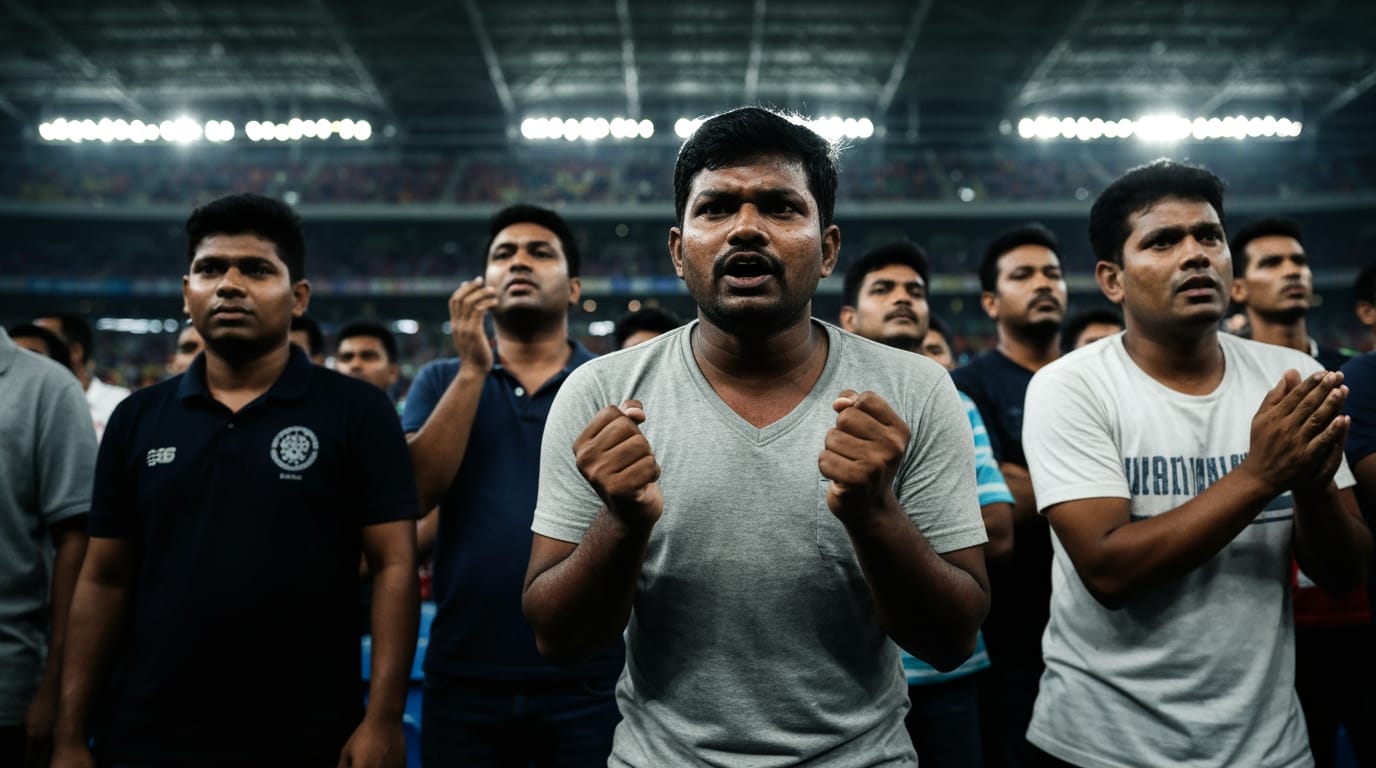
GENEVA, Switzerland – In a significant concession following widespread condemnation of its initial pricing strategy, FIFA announced Tuesday the introduction of a new "Supporter Entry Tier" for the 2026 World Cup, offering a limited number of tickets at a fixed price of $60 for all 104 matches, including the final. The move comes as football's global governing body faced intense scrutiny over what fan groups labeled as "extortionate" ticket costs for the upcoming tournament across North America.
The decision marks a rare climbdown for FIFA and its president, Gianni Infantino, who have been under pressure from various supporter organizations, particularly Football Supporters Europe (FSE), regarding the accessibility and affordability of the sport's showpiece event. While the $60 tickets aim to provide a more affordable option for dedicated fans, their scarcity raises questions about true accessibility for the broader football community.
The Escalating Cost of Fandom
The 2026 World Cup, co-hosted by the United States, Canada, and Mexico, is set to be the largest iteration of the tournament, expanding to 48 teams from the previous 32. This expansion, coupled with a shift towards what FIFA terms "variable pricing" and what many critics describe as dynamic pricing models, had led to unprecedented ticket costs. Before this announcement, Category 1 tickets for standard group-stage matches were reported to be as high as $620, while a seat at the final could exceed $4,000, with some reports even citing prices up to $6,370.
Football Supporters Europe (FSE) had vehemently argued that following a team from the group stage through to the final could cost a single fan upwards of $6,900 (or £5,000), a sum estimated to be five times higher than the expenses incurred for the 2022 World Cup in Qatar. This dramatic increase sparked outrage among fans, who expressed concerns that the tournament was becoming increasingly exclusive, pricing out average supporters and risking the vibrant atmosphere typically generated by passionate fanbases.
The Supporter Entry Tier: A Partial Remedy
Under the new "Supporter Entry Tier," tickets will be available at $60 each for every game of the tournament. These tickets will be allocated to the Participating Member Associations (PMAs) of qualified teams, who are then tasked with distributing them to their "loyal fans" based on their own criteria. FIFA stated that this initiative is designed to "further support traveling fans following their national teams across the tournament."
However, the number of these deeply discounted tickets will be highly limited. The $60 tickets will comprise only 10% of each PMA's overall allocation. When factoring in the total available tickets, this means roughly 1.6% of all World Cup tickets will fall under this price point. Estimates suggest that for each match, the number of $60 tickets will range from approximately 400 to 750 per team, amounting to just over 1,000 tickets per match split between the two competing nations. This scarcity means that access to these affordable seats will largely depend on a lottery system or specific loyalty programs managed by national football federations.
Beyond the new entry-level tier, FIFA has clarified that 50% of each PMA's ticket allocation will fall within the most affordable categories, combining the 10% "Supporter Entry Tier" with a 40% "Supporter Value Tier." The remaining allocation will be split evenly between the "Supporter Standard Tier" and the "Supporter Premier Tier." Additionally, FIFA announced it would waive administrative fees for refund requests for fans who apply through PMA programs but whose teams do not advance to the knockout stages, addressing another point of contention raised by fan groups.
Fan Group Reactions and Broader Implications
Despite FIFA's efforts to address the pricing concerns, fan organizations remain cautiously critical. Ronan Evain, the executive director of Football Supporters Europe, characterized the new tier as an "appeasement tactic" in response to the global backlash. Evain noted that while it demonstrated FIFA's ticketing policy was not "set in stone," the revisions do not go far enough to reconcile the perceived damage of the original plans, stating that "the vast majority would still have to pay extortionate prices."
A particular point of contention highlighted by FSE and its Disability & Inclusion Fan Network is the pricing of accessible tickets. Unlike the 2022 World Cup where accessible group-stage tickets cost $10 and included a free companion ticket, the 2026 tournament restricts accessible tickets for national team fans to higher-priced categories, with the cheapest costing between $140 and $450 for group stage matches, and $4,185 for the final. This policy, requiring fans with disabilities to pay significantly more and not offering free companion tickets, has been criticized for contradicting FIFA's stated commitments to diversity and inclusion.
The World Cup is projected to generate at least $10 billion in revenue for FIFA, making it the most lucrative iteration of the tournament to date. This financial emphasis, combined with the initial high ticket prices and the limited availability of affordable options, has fueled a debate about the balance between maximizing revenue and ensuring the sport remains accessible to its global fanbase. While FIFA reported receiving over 20 million ticket requests in its current sales phase, the persistent criticism underscores a growing tension between commercial interests and fan welfare.
The Road Ahead
As the 2026 World Cup approaches, the implementation and impact of this new ticketing strategy will be closely watched. The allocation process through PMAs will be crucial in determining whether these $60 tickets genuinely reach the loyal fans for whom they are intended. The debate over ticket affordability reflects a larger conversation about the future of major sporting events and whether their increasing commercialization threatens to alienate the very supporters who form their foundation. The World Cup, often hailed as a global celebration of football, now faces the challenge of living up to that ideal amidst a complex economic landscape.


