FIFA Moves to Revolutionize Funding Model with New Commercial Arm, Sparks Debate Over Football's Future
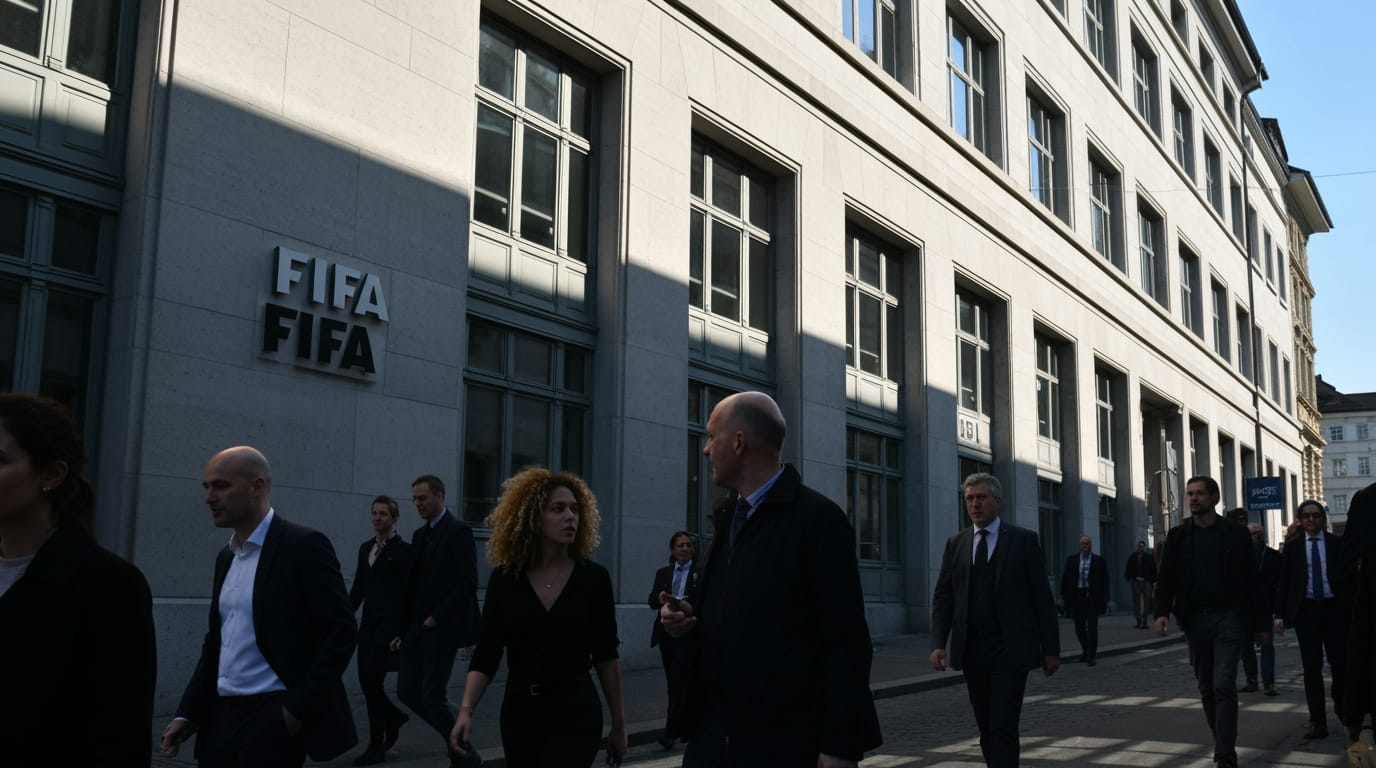
ZURICH, Switzerland – FIFA, global football's governing body, has announced a momentous plan to establish a new commercial subsidiary and sell minority stakes to external investors, a move projected to inject billions into the sport's development programs worldwide. The initiative, named FIFA Forward Enterprise (FFE), aims to consolidate and monetize FIFA's vast commercial operations, including the lucrative rights to its flagship tournaments like the World Cup, women's World Cup, and Club World Cup. While FIFA champions the plan as a path to unprecedented funding for its member associations, the proposal has ignited fierce debate, drawing sharp criticism from powerful European football stakeholders who fear the "soul of football" is being commercialized.
The audacious strategy involves valuing FFE at approximately $20 billion, with FIFA seeking to raise up to $4.2 billion through the sale of non-controlling minority interests this year. This substantial capital infusion is earmarked to launch the FIFA Fast-Forward Programme (FFFP), a new funding mechanism designed to significantly boost financial support for FIFA's 211 member associations, intending to increase annual funding from $8 million to $20 million per association for the 2027-30 cycle. FIFA President Gianni Infantino has positioned this as a step towards "democratizing football worldwide" by ensuring more resources reach federations globally. However, the plan's immediate rollout depends on approval from a majority of member associations and the FIFA Council, with consultation currently underway.
The Commercial Powerhouse: FFE's Mandate and Monetary Ambition
The FIFA Forward Enterprise (FFE) is designed to centralize and enhance the commercial exploitation of all FIFA events. This includes broadcast rights, global sponsorships, ticketing, licensing, and the operational delivery of tournaments. By bundling these assets, FIFA aims to unlock further growth and optimize revenue streams, building on an already surging financial trajectory. The 2026 World Cup cycle, concluding with the recently expanded tournament across North America, is projected to generate over $13 billion in revenue, contributing to an expected $15 billion for the entire 2023-26 cycle. This represents a dramatic increase from previous cycles, underscored by the expanded 2026 World Cup featuring 48 teams and 104 matches, which has significantly amplified broadcasting hours, advertising opportunities, and ticket sales.
FIFA's strategic move to bring in external investors through FFE is not without precedent in the sports industry, with other major sporting organizations and leagues having similarly restructured their commercial operations to attract outside capital and pursue sustainable growth. The organization emphasizes that it will retain majority ownership and exclusive authority over all sporting and regulatory decisions, competitions, and the international match calendar within FFE, ensuring external investors hold only minority, non-controlling interests and no operational role. This assurance is critical as FIFA navigates concerns about external influence over the sport's fundamental structures.
Key Players and Financial Architecture
To facilitate this complex financial restructuring, FIFA has enlisted the expertise of major financial institutions and influential figures. Investment bank JPMorgan is advising FIFA on the deal, working to bring in external investors. Greg Maffei, formerly of Liberty Media, a company known for its strategic investments in sports properties like Formula 1, is serving as a commercial adviser.
Initial reports indicate that Thrive Eternal, a capital holding company launched by venture capitalist Joshua Kushner, is expected to lead the investor group. Thrive Eternal, which previously acquired a minority stake in Major League Baseball's San Francisco Giants, focuses on long-term investments in "franchises and cultural institutions." Expressions of interest have already been received from potential investors across Europe, the Americas, Asia, and Africa, indicating a broad global appeal for the venture. The funds raised through the FFE are projected to allow FIFA to channel over $10 billion into football development programs over the next four years, an unprecedented commitment for any sports organization.
A Deep Divide: UEFA's Opposition and Governance Concerns
Despite FIFA's assurances of retaining control and the promise of increased funding for member associations, the plans have been met with strong opposition, particularly from UEFA, European football's governing body, and several leading European clubs. UEFA has publicly accused FIFA of "attempting to sell the soul of football," arguing that "the soul and governance of football are not assets to trade." The European body has also raised concerns about the transparency of the process and potential legal implications, with private sources from elite clubs echoing significant criticism.
The core of the opposition centers on fears that inviting private investment into FIFA's commercial rights could subject decision-makers to undue external pressures. Critics suggest this could lead to commercial interests influencing crucial sporting decisions, such as increasing the frequency of the World Cup or prioritizing lucrative markets for hosting, potentially at the expense of football's broader interests and traditional values. This concern highlights a recurring tension in global sports between maximizing commercial revenue and preserving the integrity and accessibility of the game.
The Road Ahead: Balancing Commerce and Development
The creation of FFE and the proposed stake sale represent a pivotal moment for FIFA, reflecting an aggressive strategy to capitalize on football's immense global popularity and burgeoning commercial appeal. With record revenues already projected for the current cycle—driven largely by broadcasting rights, sponsorships, ticketing, and hospitality—FIFA seeks to consolidate its commercial power. President Infantino asserts that this move is essential for the "democratization of football worldwide," allowing more substantial investment in infrastructure, coaching, grassroots initiatives, and the women's game across all 211 member associations.
The consultation process with member associations will be critical in determining the fate of the FFE proposal. While the promise of significantly increased funding for development projects may garner broad support, the concerns raised by UEFA and others underscore the delicate balance FIFA must strike between commercial ambition and its role as custodian of the global game. The ultimate impact of FFE on the landscape of international football, both financially and structurally, will unfold in the coming years, shaping how the world's most popular sport is governed and financed for generations to come.


