Five Years Later: Germany Reflects on the COVID-19 Lockdown and its Enduring Impact
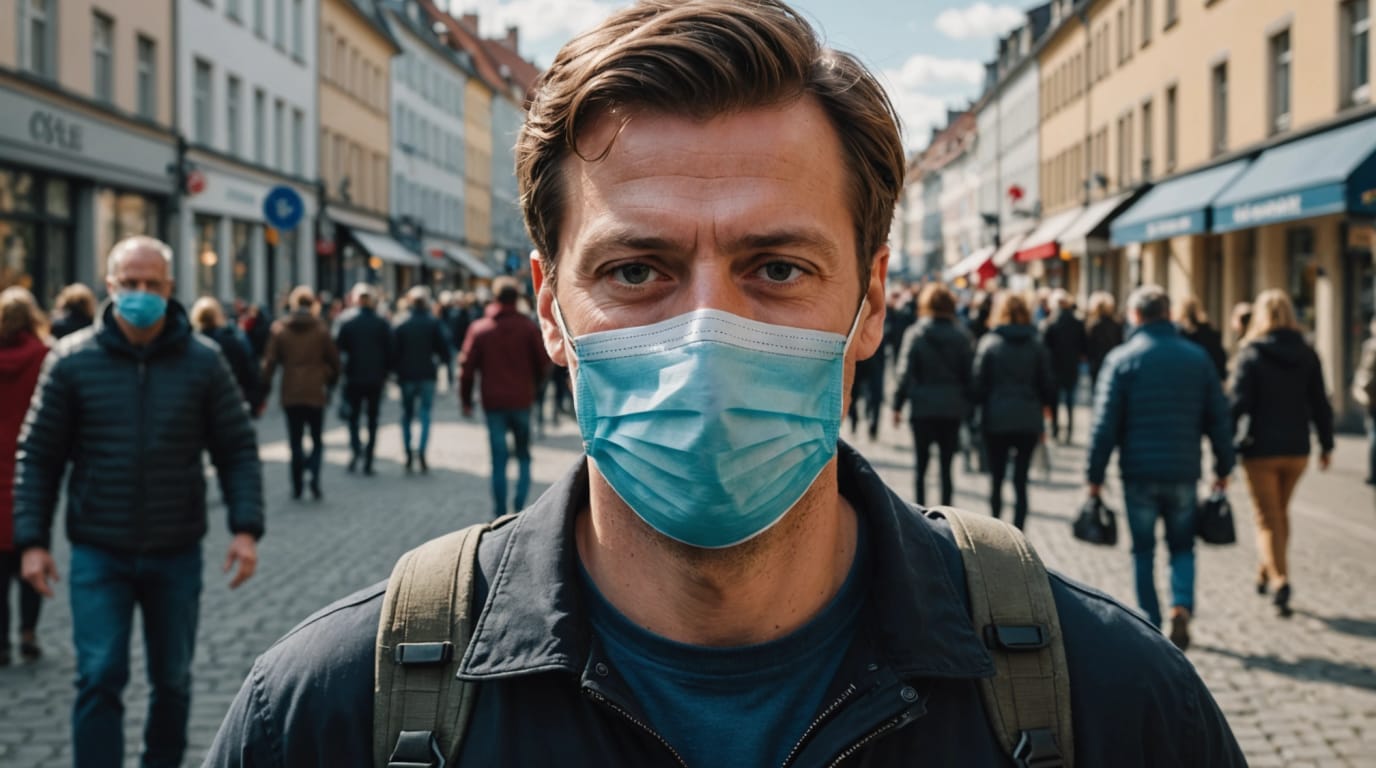
Five years after Germany implemented its initial COVID-19 lockdown, the nation is grappling with the long-term consequences of the pandemic and the measures taken to combat it. While the crisis may seem like a distant memory for some, many Germans continue to feel its repercussions, prompting calls for a comprehensive review of the government's handling of the situation.
The Initial Response and Lockdown Measures
In early 2020, as the novel coronavirus spread across the globe, Germany initially considered the health risk to be low. However, as cases began to emerge, particularly in Bavaria and North Rhine-Westphalia, the government swiftly shifted its approach. By March 2020, preventive measures were replaced by strict containment strategies, including a nationwide lockdown.
On March 25, 2020, the Bundestag declared an "epidemic situation of national significance," creating a legal framework for Chancellor Angela Merkel and the heads of the 16 German states to coordinate nationwide restrictions. These measures included school and kindergarten closures, bans on large gatherings, and border closures with neighboring countries. By March 22, 2020, curfews were imposed in six states, while others prohibited physical contact with more than one person from outside one's household.
The initial lockdown, which began on March 16, 2020, was the most drastic of all the lockdowns and swiftly ended the first wave of infections. These measures were widely accepted initially, attributed to Merkel's cautious approach and effective communication.
Economic Fallout and Recovery Efforts
The COVID-19 pandemic and the subsequent lockdowns had a significant impact on the German economy. The German Economic Institute estimated the economic loss resulting from the pandemic to be 350 billion euros by January 2022, due to reduced consumption and investment. The Ifo Institute for Economic Research estimated the total costs of the crisis for 2020 and 2021 at 330 billion euros.
Exports plummeted, with a 31% drop in April 2020 compared to the previous year, an unprecedented decline since 1950. In the second quarter of 2020, gross domestic product decreased by 9.7%.
To mitigate the economic impact, the government implemented substantial fiscal measures, including expanding the "Kurzarbeit" (short-time work) program, extending unemployment benefits, and providing liquidity to firms. The IMF estimated that Germany provided the equivalent of 30% of its 2019 GDP in fiscal support.
While the economy began to recover in late April 2020, a second wave of infections in the fall triggered another round of lockdowns. Economic growth is expected to pick up as vaccines become widely distributed, but output is not projected to return to its pre-crisis level before 2022.
Social and Psychological Consequences
Beyond the economic impact, the COVID-19 lockdowns also had significant social and psychological consequences. Studies revealed increased stress and exhaustion, particularly among mothers of young children. The closure of schools and daycare centers, coupled with remote work, led to a significant increase in mental health disparities between parents and non-parents.
A study by Population Europe found that partnered parents experienced stress and exhaustion levels similar to those of single parents during the first wave of the pandemic. Mothers reported significantly higher levels of stress, exhaustion, and loneliness than fathers.
The pandemic also highlighted social inequalities, with people in the lowest income quintile being more affected financially than those with higher incomes. Those with low incomes who reported a reduction in household income were less likely to maintain their standard of living compared to those with high incomes.
Calls for a Comprehensive Review
As the fifth anniversary of the initial lockdown approaches, there are growing calls for a comprehensive review of the government's handling of the pandemic. Sahra Wagenknecht, leader of the BSW party, has reiterated her demand for a thorough investigation, criticizing the lack of compensation for victims and amnesty for penalties imposed during lockdowns.
Wagenknecht described the pandemic response as the most authoritarian chapter in the history of the Federal Republic of Germany, expressing concern over political pressure faced by dissenters and the marginalization of the unvaccinated population.
Federal President Frank-Walter Steinmeier has also urged the new government and the Bundestag to engage in a comprehensive analysis of the pandemic's management, stressing the importance of transparency to rebuild trust among citizens.
Lessons Learned and the Path Forward
The COVID-19 pandemic exposed vulnerabilities in healthcare systems worldwide and highlighted the need for better communication and care for patients with chronic conditions. During the pandemic, many patients faced limited access to care and a lack of clear information.
Moving forward, it is crucial to build stronger, more prepared healthcare systems that can withstand future global health crises. This includes investing in healthcare resilience and sustainability, advancing health and digital health literacy, and ensuring civil society organizations play a central role in public health efforts.
Germany's experience during the COVID-19 pandemic demonstrates the challenges of maintaining success throughout a prolonged crisis. Despite early success in limiting infections and deaths, the country experienced a major surge in cases starting in October 2020. The pandemic also revealed the difficulty of balancing public health measures with economic and social well-being.
As Germany reflects on the past five years, it is essential to learn from both the successes and failures of its COVID-19 response. By conducting a comprehensive review and implementing necessary reforms, the nation can better prepare for future health crises and ensure a more resilient and equitable society.


