Former Congressman George Santos Sentenced to Seven Years in Prison for Fraud
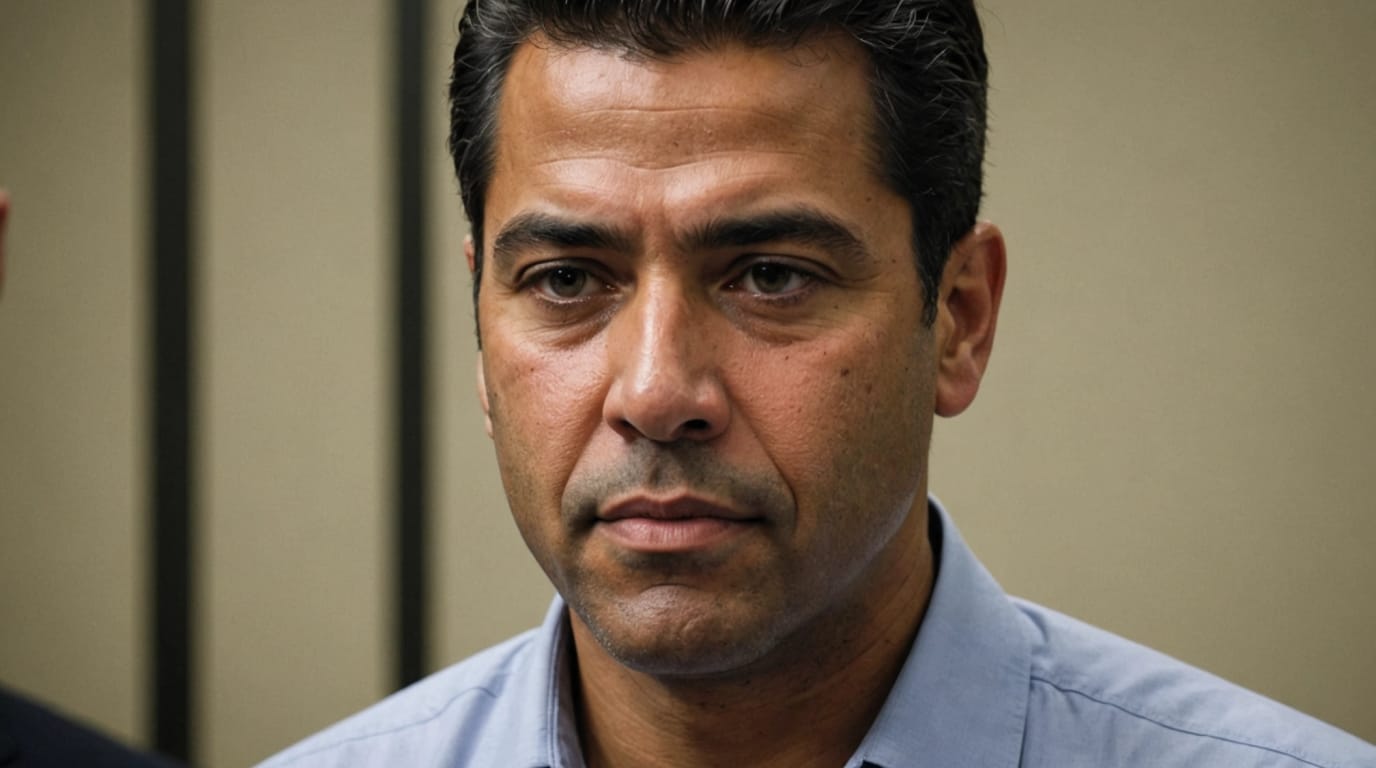
Disgraced former U.S. Rep. George Santos was sentenced Friday to more than seven years in federal prison for wire fraud and aggravated identity theft, marking a dramatic fall for the New York Republican who fabricated his life story and defrauded donors to fund his political ambitions. The 87-month sentence, handed down by United States District Judge Joanna Seybert in Central Islip, N.Y., caps a tumultuous period for Santos, who was ousted from the House of Representatives in December 2023 after just one year in office.
From Rising Star to Convicted Felon
Santos, 36, pleaded guilty in August 2024 to federal charges stemming from his elaborate scheme to defraud political supporters and steal the identities of nearly a dozen people. His rapid ascent in Republican politics was built on a foundation of lies, including false claims about his education, work experience, and family history. These fabrications, coupled with his fraudulent fundraising activities, ultimately led to his downfall and criminal prosecution.
Prosecutors argued that Santos demonstrated a "strong lack of remorse" for his actions and posed a risk of re-offending, prompting their request for a substantial prison sentence. In addition to the prison term, Santos was ordered to pay approximately $373,749.97 in restitution to his victims and $205,002.97 in forfeiture. As part of his plea agreement, he also agreed to pay over $575,000 in penalties.
Details of the Fraudulent Schemes
The Justice Department outlined a series of schemes orchestrated by Santos to enrich himself and bolster his political campaign. These included:
- Wire Fraud: Santos defrauded prospective political supporters through a limited liability company, soliciting donations under false pretenses. He enlisted a political consultant to communicate with donors, many of whom were elderly individuals suffering from cognitive impairment.
- Aggravated Identity Theft: Santos stole the personal and financial information of multiple individuals, including family members, to make unauthorized contributions to his campaign and other entities. He fraudulently charged their credit cards without their knowledge or consent.
- False Statements to the FEC: Santos submitted false reports to the Federal Election Commission (FEC) during his congressional run, misrepresenting his campaign finances and personal wealth. He falsely claimed to have loaned his campaign $500,000 when he had less than $10,000 in his bank account.
- Unemployment Benefits Fraud: Santos collected unemployment benefits while simultaneously working for a firm that was later exposed as a Ponzi scheme.
A Public Apology and a Plea for Mercy
During Friday's sentencing hearing, Santos sobbed as he addressed the court, expressing remorse for his actions and apologizing to his constituents. He stated that he was "humbled" and "chastised" and realized he had betrayed their trust. "I offer my deepest apologies," he said, adding, "I cannot rewrite the past, but I can control the road ahead."
Despite his emotional plea, Judge Seybert emphasized the severity of Santos's crimes and the need for accountability. She noted that he appeared to deflect blame and felt that "it's always someone else's fault."
The Aftermath and Political Implications
Santos's expulsion from Congress marked a historic moment, as he became only the sixth member in the House's history to be removed without a conviction. His departure triggered a special election to fill his vacant seat, which was closely watched as a potential bellwether for future elections.
The Santos scandal has also raised questions about campaign finance regulations and the vetting processes for political candidates. Critics argue that stricter oversight is needed to prevent similar instances of fraud and deception in the future.
A Final Act of Defiance
Even after his indictment and guilty plea, Santos continued to court controversy. He briefly capitalized on his notoriety by creating a profile on Cameo, a platform where users can pay celebrities for personalized video messages. This move drew further criticism and accusations of exploiting his crimes for personal gain.
In the days leading up to his sentencing, Santos told The New York Times that he had resigned himself to his fate and was mentally preparing for a lengthy prison term. "I came to this world alone. I will deal with it alone, and I will go out alone," he said.
With his sentencing, George Santos's political career has come to an end. His legacy will serve as a cautionary tale about the dangers of unchecked ambition, the importance of honesty and integrity in public service, and the consequences of betraying the public trust.


