Former Education Minister Pradhan Alleges Gen Z "Misled" Amid NEET Fallout
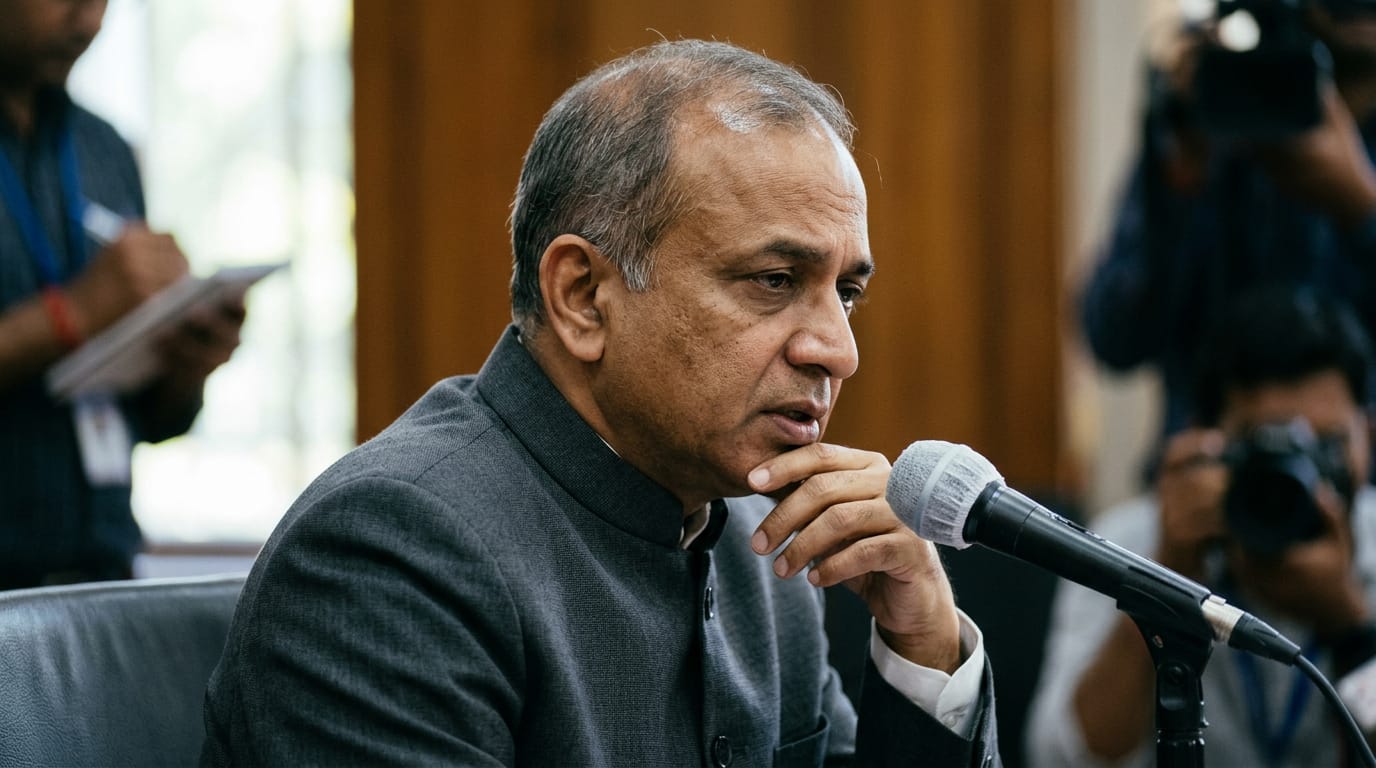
New Delhi, India – In a significant statement following his recent resignation, former Union Education Minister Dharmendra Pradhan has publicly asserted that India's Generation Z was "misled" during the widespread protests that followed the NEET paper leak controversy. Pradhan, who stepped down from his ministerial post on July 25, 2026, broke his silence this past Saturday, suggesting that external forces manipulated the genuine grievances of young students, leading to his difficult decision. His remarks have reignited a fervent debate about student welfare, political accountability, and the socio-economic realities confronting India's youth demographic.
The Minister's Post-Resignation Assertion
Speaking at events in Sambalpur and Bhubaneswar, Dharmendra Pradhan articulated his perspective on the tumultuous period that culminated in his resignation. He stated, "I have been a victim of Gen Z. For some time, the way this whole episode unfolded, I felt some people tried to mislead the children of the new generation." Pradhan emphasized that his decision to resign was not driven by personal prestige, but rather by a commitment to prevent what he described as the exploitation of student grievances by "anti-national forces" and to safeguard the future of India's youth. He also claimed the ministerial position held no greater importance than the aspirations of the country's young people. According to Pradhan, he directly conveyed these concerns to Prime Minister Narendra Modi, seeking permission to acknowledge the youth's aspirations and prevent political exploitation.
The Shadow of NEET: A Crisis in Education
Pradhan's resignation and subsequent statements are inextricably linked to the severe irregularities surrounding the National Eligibility cum Entrance Test (NEET) examinations. The 2026 NEET-UG exams were marred by allegations of paper leaks and other malpractices, triggering nationwide student protests and calls for greater transparency and accountability within India's examination system. As Education Minister since July 2021, Pradhan oversaw the implementation of significant reforms, including initiatives aimed at improving entrance examinations. However, his tenure ultimately faced intense scrutiny due to the recurring examination controversies. The government's swift response included handing the investigation over to the Central Bureau of Investigation (CBI) and announcing a re-examination, a move that still did not quell the widespread anger. Pradhan's departure came amid mounting pressure, with protests intensifying at venues like Jantar Mantar in Delhi, demanding his resignation.
A Generation Under Scrutiny: Gen Z's Aspirations and Challenges
Despite his claims of Gen Z being misled, Pradhan also acknowledged the critical role this generation plays in India's future. He described Gen Z individuals as "our children" and highlighted their immense potential, noting that approximately two crore children are born in India annually, contributing to a significant youth population that could make India a "Vishwa Guru" (global leader). He underlined the importance of understanding and addressing their desires rather than resisting them.
However, the reality for many members of India's Gen Z paints a complex picture of aspirations often met with significant structural challenges. This demographic, comprising individuals aged 15 to 26 years, faces high rates of unemployment, a notable education-to-work mismatch, and widespread absorption into informal or unpaid labor. Only a small fraction of young Gen Z males and females secure formal wage employment, with a significant majority lacking social security coverage or formal employment contracts.
Beyond economic hurdles, Indian Gen Z also grapples with societal and psychological pressures. Reports indicate a rising incidence of burnout, often attributed to the "always-on" digital culture, demanding workloads, and the constant pressure to achieve early career success and financial stability. Mental health concerns are also prevalent, with young individuals exhibiting high levels of anxiety and depression. These factors contribute to a generation that, while digitally savvy and purpose-driven, faces unique vulnerabilities within India's rapidly evolving socio-economic landscape.
Political Repercussions and Divergent Views
Pradhan's narrative of a "misled" Gen Z has not gone unchallenged. Opposition parties have swiftly criticized his statements, accusing him of deflecting blame from the government's handling of the education sector and the examination crisis. Congress leaders, for instance, argued that Pradhan should have resigned much earlier on moral grounds, asserting that young protesters were raising legitimate concerns about their future rather than being misguided.
Sanjay Raut, a Member of Parliament from Shiv Sena (UBT), countered Pradhan's claims directly, stating that Gen Z was "provoked by the way you handled Education Ministry." Raut urged the ruling party leadership to engage in substantive discussions with young people instead of making generalized accusations. Similarly, Biju Janata Dal (BJD) leader Rohit Pujari attributed the criticism against Pradhan to the police's handling of student protests and tragic instances of student suicides, rather than any manipulation by former Odisha Chief Minister Naveen Patnaik, whom Pradhan had also criticized. These reactions underscore the deep political fault lines exposed by the NEET controversy and the differing interpretations of youth activism in India.
Conclusion: A Call for Genuine Engagement
Dharmendra Pradhan's post-resignation commentary has cast a new light on the NEET paper leak saga, framing the widespread student protests not merely as a cry for accountability but as an instance of a vulnerable generation being steered by external influences. While Pradhan maintains his resignation was a selfless act to protect students from political exploitation, opposition voices contend it is an attempt to sidestep fundamental issues within the education system. The impassioned responses from both sides highlight a crucial need for genuine dialogue and comprehensive solutions to address the deep-seated anxieties and challenges facing India's Gen Z. As this digitally native and highly aspirational generation comes of age, ensuring equitable opportunities and a robust, transparent educational framework remains paramount for India's future. The ongoing debate serves as a stark reminder that the aspirations of young India are a powerful force, demanding not just recognition, but sincere and effective governance.


