Former Philippine President Rodrigo Duterte Arrested at Manila Airport on ICC Warrant
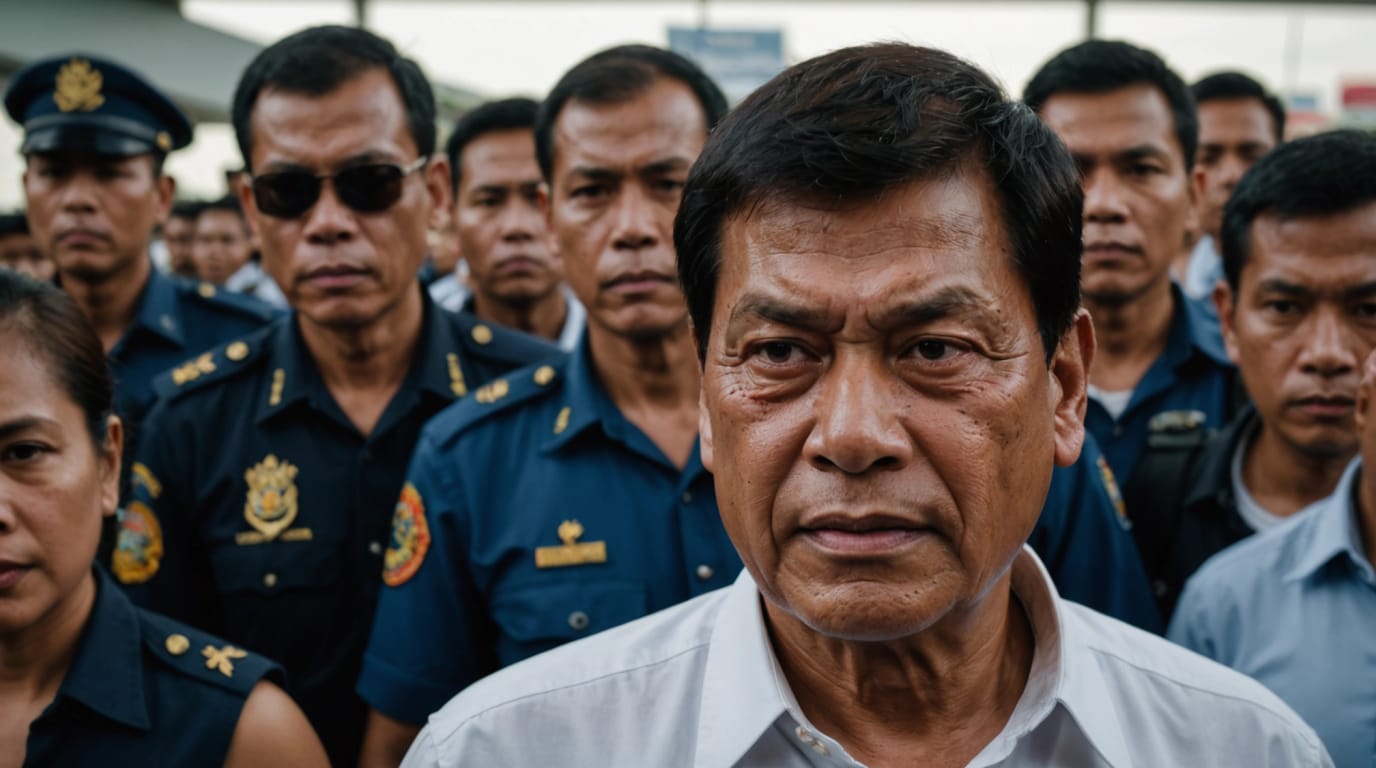
MANILA, Philippines – Former Philippine President Rodrigo Duterte was arrested at Ninoy Aquino International Airport (NAIA) in Manila on Tuesday, marking a historic moment as the first Philippine head of state to be apprehended under an order from the International Criminal Court (ICC). The arrest stems from an ICC warrant related to alleged crimes against humanity during his administration's controversial "war on drugs."
Duterte's arrest follows years of scrutiny from international bodies regarding the thousands of killings that occurred during his time in office. The ICC has been investigating these alleged crimes, despite the Philippines' withdrawal from the court in 2019. The warrant was served upon Duterte's arrival from Hong Kong.
The Arrest and Initial Processing
Philippine authorities, acting on the ICC warrant transmitted through Interpol, took Duterte into custody at NAIA Terminal 3. He arrived via Cathay Pacific flight CX907. Present at the airport were key government and police officials, including representatives from the Department of Justice, the Criminal Investigation and Detection Group (CIDG), and the ICC.
According to reports, Duterte was initially defiant, reportedly saying "you will just have to kill me." However, he ultimately cooperated with law enforcement officials. He was then escorted to Camp Crame, the headquarters of the Philippine National Police (PNP), where he will undergo booking procedures. Anthony Alcantara, special envoy on Transnational Crime under the Office of the President, served the arrest warrant to Duterte.
The ICC Investigation and "War on Drugs"
The ICC's investigation into Duterte's "war on drugs" has been ongoing since September 2021. The court cites evidence suggesting that thousands of extrajudicial killings occurred during anti-drug operations. The ICC contends that these killings were not isolated incidents but rather a systematic campaign that could constitute crimes against humanity.
Duterte's "war on drugs" was his signature policy, launched after he swept to power in 2016 on a platform of cracking down on crime. Human rights groups estimate that close to 30,000 people were killed during the anti-drug campaign, with allegations that police and vigilantes murdered unarmed drug suspects on a massive scale. Authorities have consistently denied these allegations.
Legal and Political Implications
Duterte's arrest presents complex legal and political challenges for the Philippines. While the administration of President Ferdinand Marcos Jr. has stated it will not directly cooperate with the ICC, it has also affirmed its commitment to honoring the country's obligations to Interpol. This commitment compelled the Philippines to execute the arrest warrant.
The arrest also raises questions about the Philippines' relationship with the international community and its stance on international law. Duterte's withdrawal from the ICC in 2019 was a contentious decision, and his arrest could reignite debates about the country's role in international justice mechanisms.
Public Reaction and Potential for Unrest
News of Duterte's arrest has elicited strong reactions from both supporters and critics. Supporters gathered at the airport, chanting his name as he was escorted by police. Senator Bong Go and former Labor Secretary Silvestre Bello were also present to show their support.
The possibility of unrest among Duterte's supporters remains a concern. His populist appeal and strongman image have cultivated a loyal following, and any perceived mistreatment of the former president could trigger protests or other forms of civil unrest. The Philippine government is likely taking measures to ensure public order and prevent any potential disruptions.
A Turning Point for the Philippines
The arrest of Rodrigo Duterte marks a significant turning point in Philippine history and its relationship with international justice. It underscores the reach and authority of the ICC, even in countries that have withdrawn from the court. The case will likely have far-reaching implications for the Philippines' domestic politics, its international standing, and the pursuit of justice for the victims of the "war on drugs." The coming days and weeks will be critical as the legal proceedings unfold and the nation grapples with the consequences of this unprecedented event.


