Former Red Army Faction Member Faces Trial Decades After Terrorist Acts
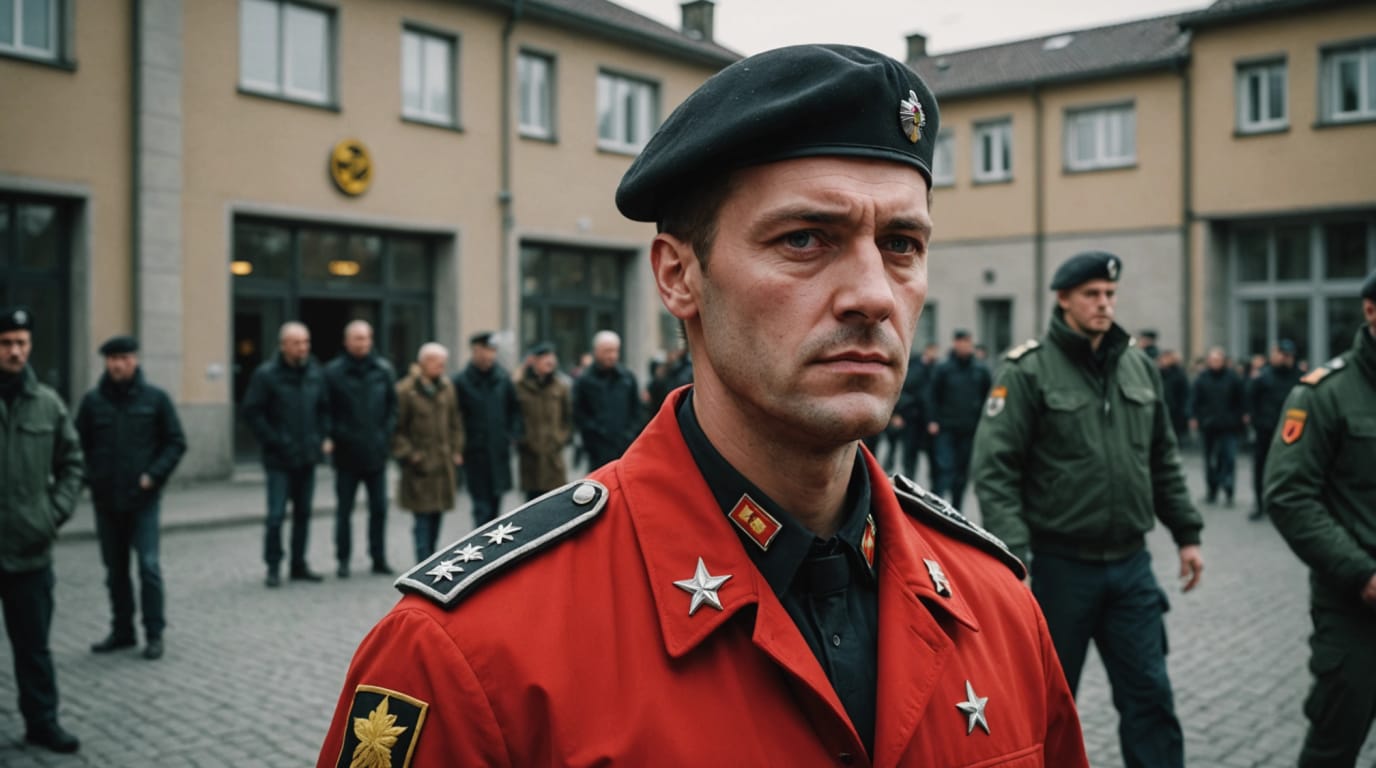
A former member of the Red Army Faction (RAF), a far-left militant group that terrorized West Germany for decades, is facing trial in Germany, reigniting a painful chapter in the nation's history. The trial comes as a stark reminder of the violence and political turmoil that gripped the country during the Cold War era.
The Red Army Faction: A History of Violence
The Red Army Faction, also known as the Baader-Meinhof Group, emerged from the radical student movement of the late 1960s. The group, led by Andreas Baader and Ulrike Meinhof, aimed to dismantle what they considered a fascist and oppressive West German state. Inspired by Marxist-Leninist ideology and anti-imperialist sentiments, the RAF sought to achieve its goals through violent means.
The RAF engaged in a series of bombings, assassinations, kidnappings, bank robberies, and shootouts with police over three decades. Their targets included government officials, business leaders, and American military personnel. The group's actions aimed to destabilize the government and incite a broader revolutionary movement.
Some of the RAF's most notorious acts include:
- 1972 Bombings: A series of bombings targeting U.S. military facilities, police stations, and government buildings.
- 1975 West German Embassy Siege in Stockholm: Six RAF members seized the West German Embassy in Stockholm, taking hostages and demanding the release of imprisoned comrades. Two hostages were murdered after the government refused to comply.
- 1977 "German Autumn": A period of intense violence that included the kidnapping and murder of Hanns Martin Schleyer, president of the German Employers' Association, and the hijacking of a Lufthansa plane.
The Stammheim Trial and the Deaths of RAF Leaders
In 1975, key RAF leaders, including Baader, Meinhof, Gudrun Ensslin, and Jan-Carl Raspe, were put on trial in Stuttgart-Stammheim. The trial was highly controversial, with the defendants accusing the court of political bias and human rights violations. Security measures were extreme, with a new section of Stammheim Prison built specifically for the RAF members.
In 1976, Ulrike Meinhof was found dead in her cell, having apparently hanged herself. The remaining defendants were convicted and sentenced to life imprisonment. In October 1977, Baader, Ensslin, and Raspe were found dead in their cells. Authorities claimed they had committed suicide, but the circumstances surrounding their deaths remain disputed by some.
The Legacy of the RAF
The Red Army Faction formally disbanded in 1998, but its legacy continues to be debated in Germany. The group's actions left a deep scar on the nation's psyche, raising questions about political violence, state power, and the limits of dissent.
For some, the RAF members were misguided idealists who fought against injustice and oppression. For others, they were cold-blooded terrorists who inflicted immense suffering on innocent people.
The discovery after the collapse of the communist government in East Germany in 1989-90, that the Red Army Faction had been given training, shelter, and supplies by the Stasi, the secret police of the former communist regime, further complicated the group's legacy.
The Current Trial: A New Chapter?
The current trial of a former RAF member highlights the ongoing efforts to bring those responsible for the group's crimes to justice. While many of the key figures are dead, prosecutors continue to investigate unsolved cases and pursue remaining members.
The trial also serves as a reminder of the importance of confronting the past and learning from the mistakes of history. By examining the causes and consequences of the RAF's violence, Germany can strengthen its democracy and prevent similar tragedies from happening again.
A Nation Grapples with Its Past
The trial of the former RAF member is more than just a legal proceeding; it is a cultural and political event that forces Germany to confront its past. It raises difficult questions about justice, reconciliation, and the enduring impact of political violence. As the trial unfolds, Germany will continue to grapple with the legacy of the Red Army Faction and its place in the nation's history.


